
DKI Strengthens HR & Health Services through Regional Health System Bill
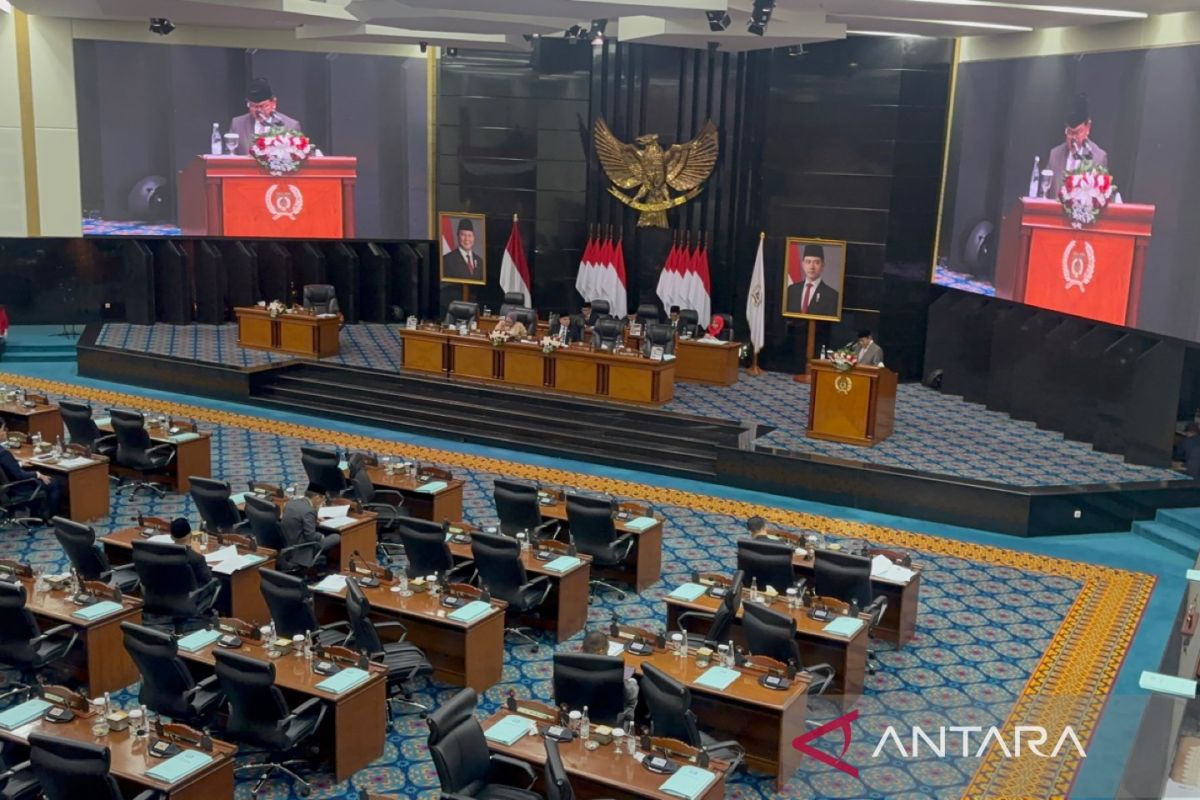
Jakarta (ANTARA) - Jakarta Governor Pramono Anung Wibowo stated that the Provincial Government of DKI Jakarta will strengthen the capacity of health human resources, the equitable distribution of medical personnel, and the provision of incentives for health workers through the Regional Regulation Draft on the Local Health System.
Pramono emphasised that the health sector remains a priority in local budget allocation because it directly relates to basic public services.
During the Plenary Session at the DKI Jakarta DPRD Building on Monday, Pramono said this Ranperda also accommodates the strengthening of a fair health financing system, the expansion of public health coverage, periodic updates to participant data, and improved coordination with the central government and BPJS Kesehatan.
In terms of services, the Provincial Government reaffirmed its commitment to strengthening puskesmas as primary services as well as centres for promotive and preventive care.
“Strengthening primary health services, transforming public hospitals towards international standards, strengthening Posyandu, and developing a digital-based health information system are important parts of renewing Jakarta’s health system,” said Pramono.
Furthermore, he stated that the Ranperda also includes strengthening health preparedness, rapid response systems, early warning systems, and cross-sectoral coordination to address potential extraordinary events (KLB), outbreaks, and other public health challenges.
In addition, Pramono welcomed various proposals from factions regarding the strengthening of health governance, synchronisation of regional policies with national policies, improvement of health service quality, and digital transformation in the health sector.
“Synchronisation with national policies is not merely administrative, but forms the foundation for strengthening governance, service integration, enhancing health worker capacity, and managing financing that is transparent and accountable,” said Pramono.