
DKI Provincial Government Supports Women's Dual Roles
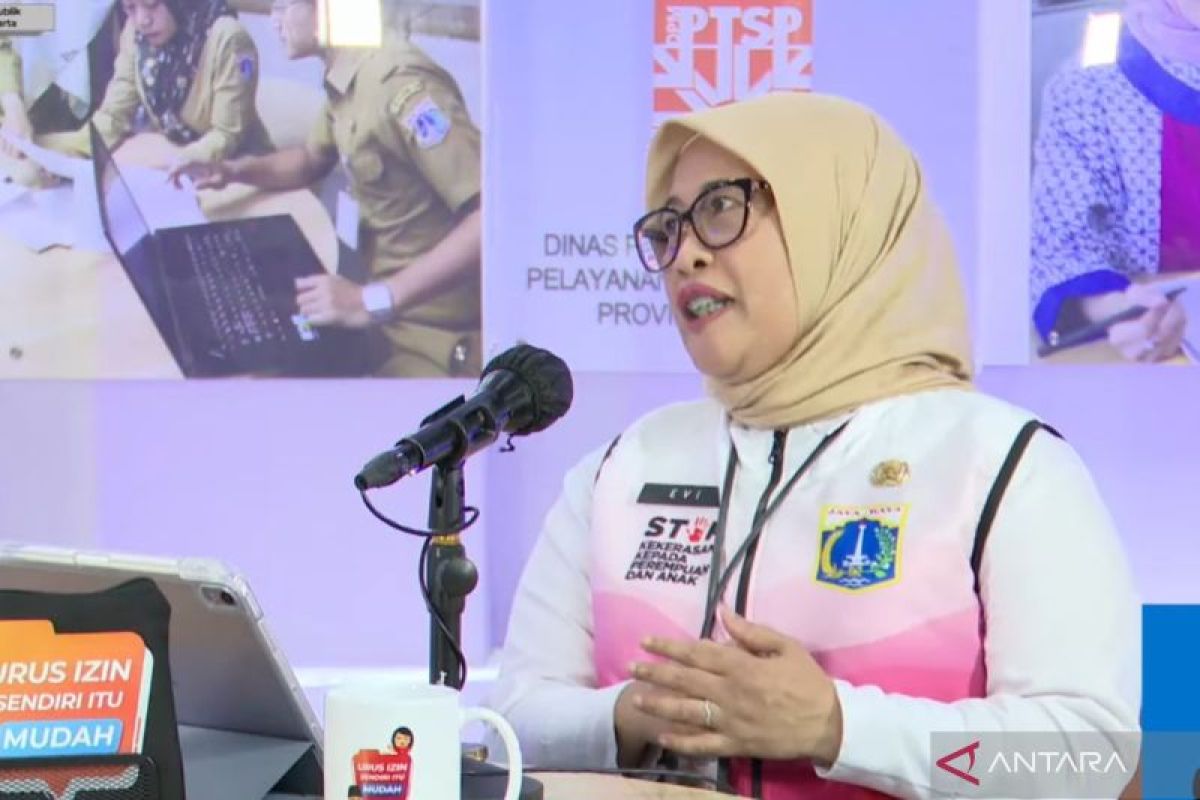
Jakarta (ANTARA) - The DKI Jakarta Provincial Government, through the Department of Child Empowerment, Protection, and Population Control (PPAPP), has affirmed its support for women’s dual roles, namely pursuing careers in the workforce and handling family childcare responsibilities.
The Head of the Women’s Empowerment Division of the DKI Jakarta Provincial PPAPP Department, Evi Lisa, stated that this support is realised through the provision of facilities such as lactation rooms and childcare centres (daycare).
“The provision of lactation rooms and daycare is one of the ecosystems that allow women to sustain themselves in the workforce,” she said during a podcast themed “From Kartini to Civil Servants: Building a Safe, Equal, and Supportive Work Ecosystem” in Jakarta on Wednesday.
Regional regulations (Perda) policies related to flexible working hours and women’s involvement in the development process are also part of the DKI Provincial Government’s support for career women.
Evi acknowledged that many women face limited choices, either working or devoting themselves to domestic affairs, which means having to stop working. This is due to limited childcare support.
“Women should not be forced to choose between career and family. What needs to be done is to provide support and build an ecosystem that supports women,” said Evi.
One ecosystem that can help women’s dual roles is the family. A more equal division of roles in the family and support from partners or family.
In addition, the work ecosystem includes gender-responsive policies and women-friendly policies such as flexible working hours.
Besides daycare, lactation rooms, and flexible working hours, the DKI Jakarta Provincial Government also has economic and social economic programmes for women, strengthening women’s capacity in communities, and support for vulnerable groups to become more independent.