
DKI Jakarta strengthens cultural cooperation with agglomeration areas
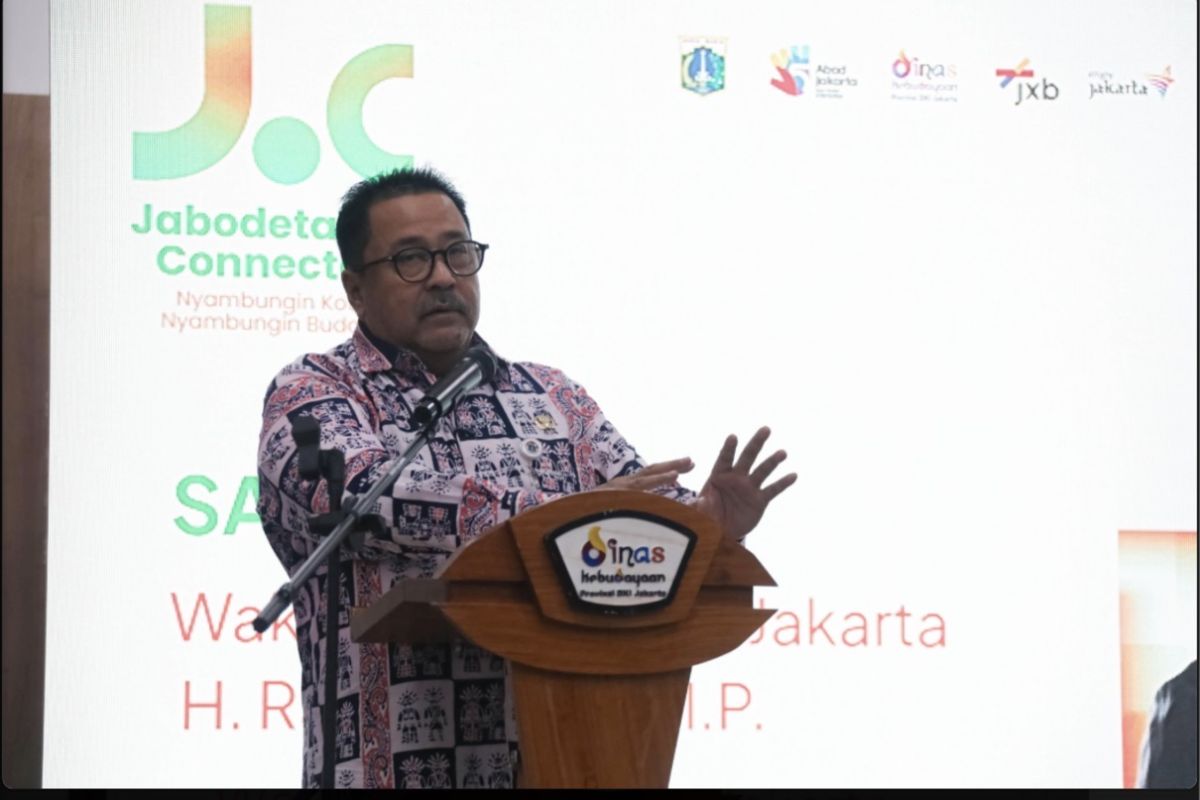
The DKI Jakarta Provincial Government is strengthening cultural cooperation with local governments in the agglomeration area through the signing of a Partnership Synergy Agreement for the Jabodetabek Connected 2026 Cultural Network. The collaboration with several buffer zone administrations, which share historical, social, and cultural ties, aims to preserve Betawi culture, expand inter-regional cultural exchange, and prepare joint programmes leading up to Jakarta’s 500th anniversary in 2027. DKI Jakarta Deputy Governor Rano Karno stated at Taman Ismail Marzuki, Central Jakarta, on Thursday that Betawi identity has grown beyond Jakarta’s administrative boundaries. Therefore, its preservation requires the involvement of regions that are part of the Betawi cultural ecosystem. “Every urban development inevitably impacts cultural development. The components of Betawi culture are not only found in Jakarta but are also spread across the agglomeration area. Hence, inter-regional collaboration is crucial,” he said. According to Rano, the agreement must be promptly translated into measurable agendas, such as organising joint performances, exchanging arts practitioners, developing cultural spaces, and involving students and teachers. “I hope this cooperation does not stop at the signing. There must be concrete programmes that we implement together immediately,” he said. He expressed hope that the collaboration between the DKI Jakarta Provincial Government and the buffer zones would strengthen the Betawi cultural ecosystem while promoting inclusive and sustainable cultural development. “Jakarta needs the agglomeration area, and the agglomeration area also needs Jakarta,” Rano said. He added that the DKI Jakarta Provincial Government is compiling a calendar of activities that opens up space for public participation while involving the buffer zone administrations. The experience of commemorating Jakarta’s 499th anniversary served as a reference, where the implementation of a Rp1 public transport fare successfully increased citizen mobility and visits to various destinations in Jakarta. “Going forward, we hope for support from the buffer zones so that more people, including students, can visit and participate in various positive activities in Jakarta,” Rano concluded.