
DKI Jakarta Legislator Calls for Collaboration to Tackle Waste Issues
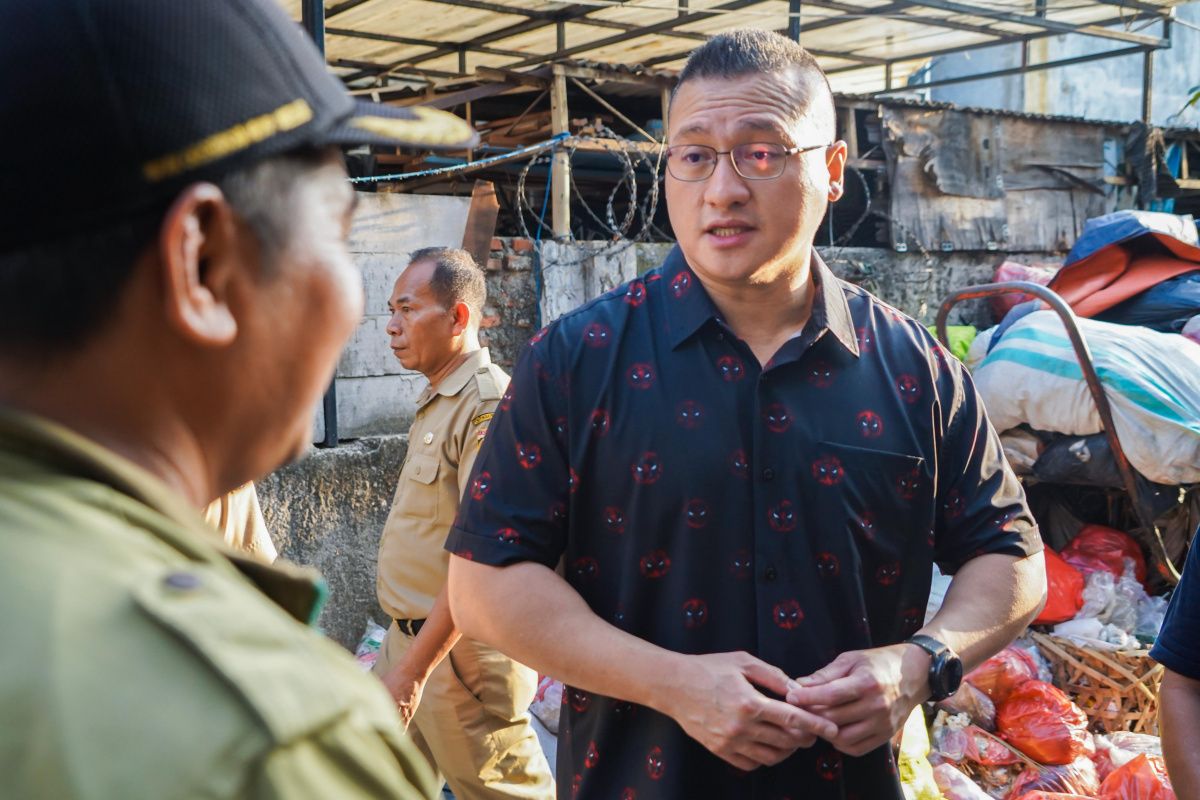
DKI Jakarta Regional Legislative Council member Hardiyanto Kenneth stressed that waste management in the capital cannot rely solely on the Environment Agency but requires comprehensive collaboration.
“District heads, village heads, and local Environment Offices must collaborate, as many residents still do not understand waste management,” Kenneth said in Jakarta on Sunday.
According to him, Jakarta’s waste management still faces fundamental issues, particularly low public awareness in segregating and handling waste at the source.
Therefore, Kenneth said, a massive and sustained movement involving all levels of local government down to neighbourhood units (RT/RW) is needed to improve the capital’s waste management system.
He said comprehensive collaboration is required from city level down to districts, villages, Environment Offices, neighbourhood units, and the public.
Known as Bang Kent, he noted that the main issue is not just waste collection but low public awareness and understanding of waste management at the source.
“Therefore, education must be conducted intensively, regularly, and consistently—not just occasionally and then forgotten,” he added.
Kent believes short-term approaches must be strengthened through direct community outreach, environmental monitoring, and a mass campaign for household waste segregation.
However, Kent stressed that Jakarta must also have a long-term strategy to avoid recurring issues whenever the Bantargebang Integrated Waste Management Facility (TPST) faces disruptions.
He recalled Jakarta’s waste crisis during Governor Sutiyoso’s tenure, known as Bang Yos, when access to TPST Bantargebang was disrupted due to social conflicts and local opposition in the early 2000s.
At the time, the Jakarta Provincial Government took emergency measures by opening Nagrak in North Jakarta as a temporary dumping site to prevent the city from being paralysed by waste accumulation.
“We must learn from history. During Bang Yos’ time, Jakarta faced a major waste crisis when TPST Bantargebang services were disrupted. The provincial government then opened Nagrak as an emergency buffer to prevent waste from piling up on streets and paralysing Jakarta’s activities,” he said.
Kent added that while those emergency measures were understandable during the crisis, they also served as a stark warning that Jakarta was overly reliant on the old ‘collect and dump’ model.
The crisis revealed Jakarta lacks an independent waste management system. The current system is weak in segregation, recycling, and modern waste processing technologies.
“Dependence on Bantargebang would become an extreme problem,” he said.
Therefore, Kenneth urged the Jakarta Provincial Government to prioritise waste management under Governor Pramono Anung and Deputy Governor Rano Karno, ensuring its success.
“Waste management must be the governor’s top priority, and the entire administration must succeed. If it fails, a reward and punishment system must be implemented,” he added.