
DKI Jakarta Legislator Calls for APBD 2026 Rationalisation
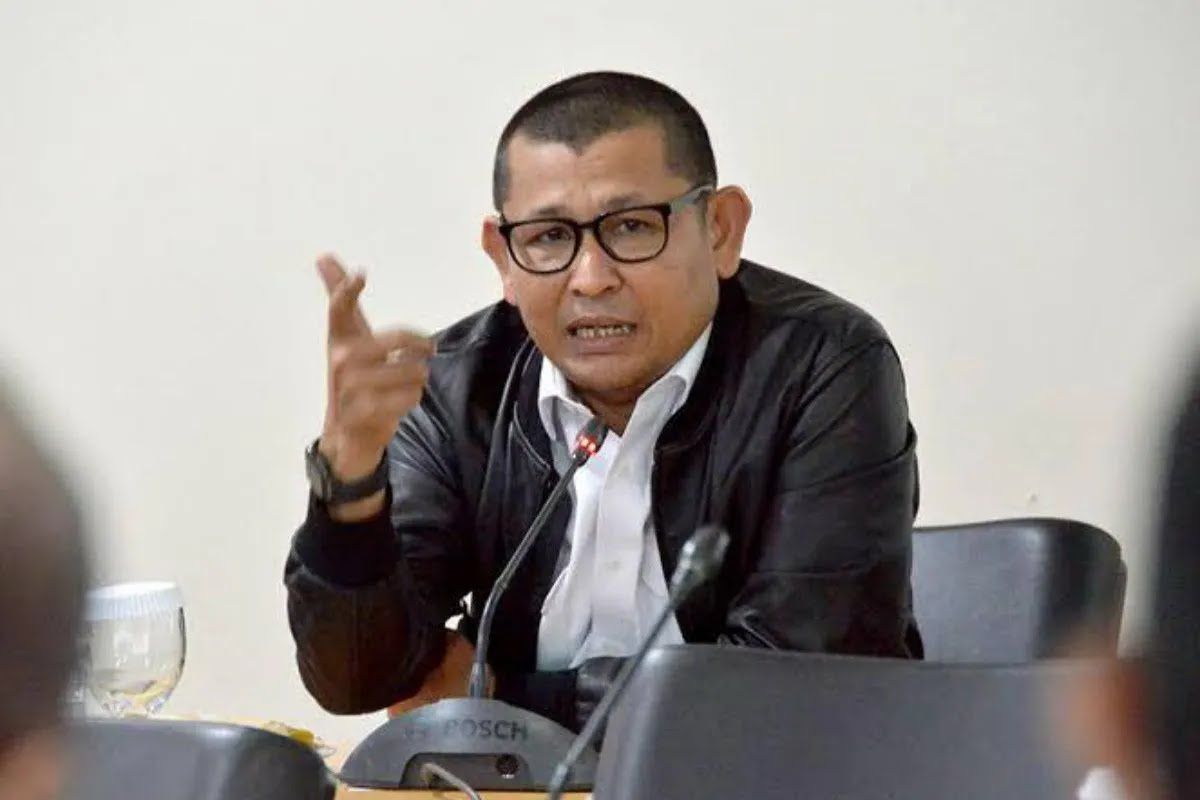
Jakarta (ANTARA) - A member of the Jakarta Regional House of Representatives (DPRD) has stated that the 2026 Regional Revenue and Expenditure Budget (APBD) must be rationalised to mitigate risks to development programmes, public services, and activities vulnerable to rupiah exchange rate fluctuations and fuel price changes. Lukmanul Hakim said on Friday that without rationalisation, many problems could arise later. He explained that rationalisation serves as a form of mitigation for the 2026 APBD, based on factual data and measurable predictions, helping to minimise adverse impacts on the implementation of regionally funded programmes and services. Lukmanul assessed that the weakening rupiah against the US dollar will directly affect the prices of goods, most of which still contain imported components. Meanwhile, rising fuel prices, even if only for non-subsidised fuel, will still influence operational activity costs. “Many gaps will emerge if we do not take preventive measures regarding the regional budget. Therefore, as a representative of the people of Jakarta, I am calling for budget rationalisation by making necessary adjustments—not for anyone in particular, but for the good of us all,” he said. The Commission C member cited the example of rising building material prices, monitored to have increased by 5 to 12 percent this June, which will certainly affect physical projects. “If we insist on previously set values, problems will definitely arise during implementation,” he noted. The politician from the National Mandate Party (PAN) faction acknowledged that mitigation measures for the 2026 APBD will have implications for the rationalisation of several development projects and activities funded by the regional budget. Physical projects of a certain quality will absorb larger budgets, and if they cannot be fulfilled within a single fiscal year, their completion timelines will lengthen. “Cost escalation, if not rationalised, opens opportunities for workarounds in the field that harm all parties. Business entities and individual vendors will struggle to cover operational costs and goods procurement. If they are willing to bear losses, we appreciate it. But if they merely aim to break even, quality will decline,” he said. Responding to Governor Pramono Anung’s move to reaffirm his commitment to maintaining regional revenue stability through optimising local receipts amid uncertain global economic conditions, Lukmanul praised it as an appropriate anticipatory step. Reflecting on the 2025 regional revenue realisation of Rp80.03 trillion, or 94.76 percent of the Rp84.45 trillion target, he said achieving a similar position in 2026 will require extra effort. “Revenue optimisation and expenditure rationalisation are two things that must be done simultaneously,” he concluded.