
DKI Jakarta Information Commission Emphasises Public Information Transparency in Student Admissions Process
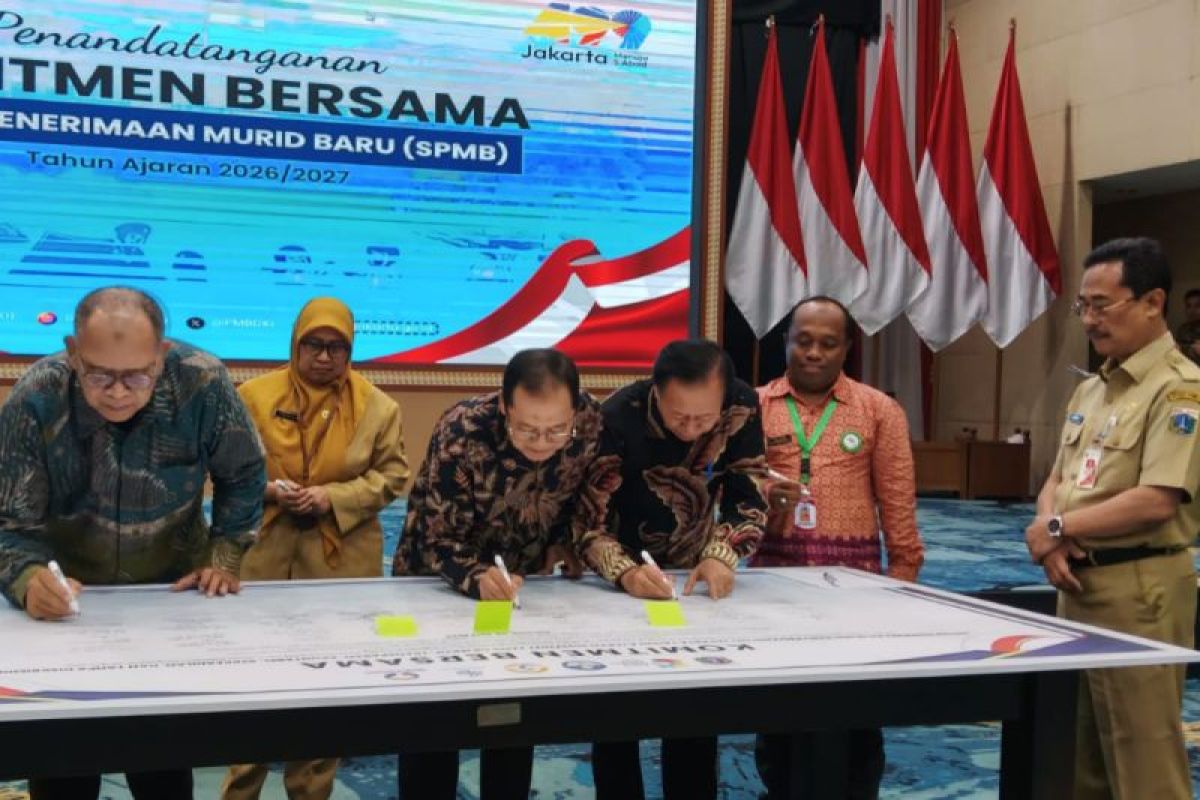
The Jakarta Provincial Information Commission (KI) has reaffirmed its commitment to overseeing the implementation of the 2026/2027 Academic Year Student Admission System (SPMB) to ensure it remains transparent, accountable, objective, and fair through the strengthening of public information disclosure.
“The SPMB is a public service that affects the interests of the wider community,” stated Ferid Nugroh, Commissioner for Education, Socialisation, and Advocacy at the Jakarta Information Commission, in Jakarta on Monday.
Ferid emphasised that information transparency is a primary factor in supporting the successful implementation of the SPMB. According to Ferid, the public must have access to information that is easy, accurate, and accountable to ensure the admission process remains transparent and avoids misunderstandings or information disputes.
“Therefore, all information regarding registration mechanisms, selection tracks, requirements, quotas, stages, and selection results must be available openly and easily accessible to the public,” he said.
He added that the SPMB organisers must ensure all information channels function optimally, ranging from official websites and social media to information service centres and complaint services. Such efforts, he noted, are vital so that the public receives correct information and does not fall victim to unreliable sources.
“Information transparency is an essential instrument for realising a student admission process that is transparent, fair, and accountable,” he added.
Meanwhile, the Deputy Head of the Jakarta Provincial Education Office, Sarjoko, affirmed that the implementation of the 2022/2027 SPMB will be conducted objectively, transparently, accountably, and without discrimination. He explained that all stages of the SPMB will be carried out online to ensure the process is effective, transparent, and easily accessible to the community.
“The entire process can be accessed openly by the public, and the selection results can be held accountable according to applicable regulations, without discrimination based on ethnicity, race, gender, socio-economic status, or any other background,” said Sarjoko.