
DKI Jakarta Government Operates 24-Hour Command Post at Bantargebang TPST to Prevent Fires
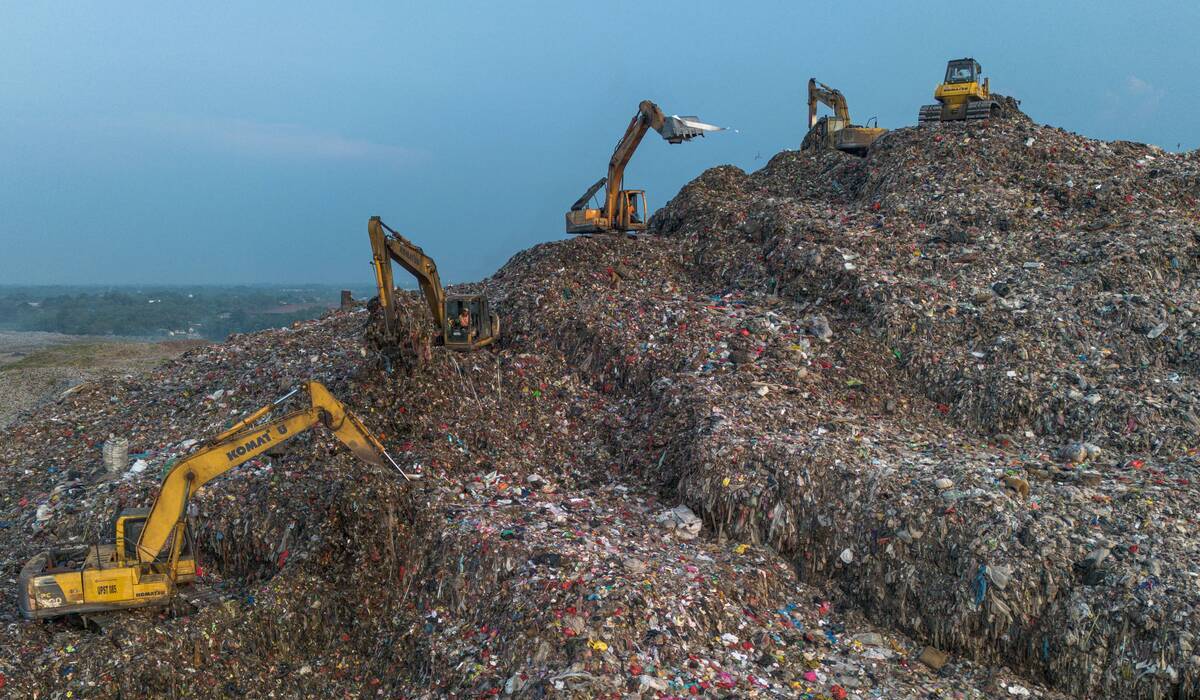
The DKI Jakarta Provincial Government has officially begun operating a 24-hour rotating disaster command post at the Bantargebang Integrated Waste Treatment Plant (TPST) as part of intensive efforts to anticipate potential fires during the dry season. Head of the DKI Jakarta Environmental Agency, Dudi Gardesi Asikin, explained that the assignment of piket officers was established through an official letter to ensure continuous field monitoring, personnel readiness, and the availability of mitigation facilities. In addition to personnel, all heavy equipment such as excavators and bulldozers have been confirmed to be in prime condition and on full standby. The presence of this heavy machinery is crucial for localising areas, opening access for handling, and controlling situations if hotspots emerge in the landfill area. To address the hot weather that increases the risk of hotspots, the DKI Jakarta Provincial Government has strengthened water resource readiness. The Bantargebang TPST currently relies on hydrant points located at the Merah Putih Waste-to-Energy Power Plant and the Bantargebang RDF facility. Additional support, including water tanks, storage ponds, and tanker fleets, is also on continuous standby. Comprehensive prevention efforts are being carried out, ranging from clearing dry land and cleaning vegetation in the dumping zones to conducting routine patrols. Supervision of human activities within the area has also been tightened. The Integrated Waste Management Unit has strictly prohibited any form of waste burning in the landfill area and its surroundings. A smoking ban has also been enforced for all parties, including scavengers, drivers, and officers. Access for unauthorised external parties is restricted to minimise risks. In its implementation, the DKI Jakarta Provincial Government continues to coordinate with the DKI Jakarta Fire and Rescue Service, the DKI Jakarta Regional Disaster Management Agency, the police, and the local government. This synergy includes training and simulations of appropriate firefighting methods for field officers. ‘We want to ensure that every potential risk is controlled at its source. The safety of officers, the surrounding community, and service sustainability are our priorities,’ Dudi stressed.