
DKI Jakarta Food System Bylaw Must Translate into Beneficial Policies for Residents
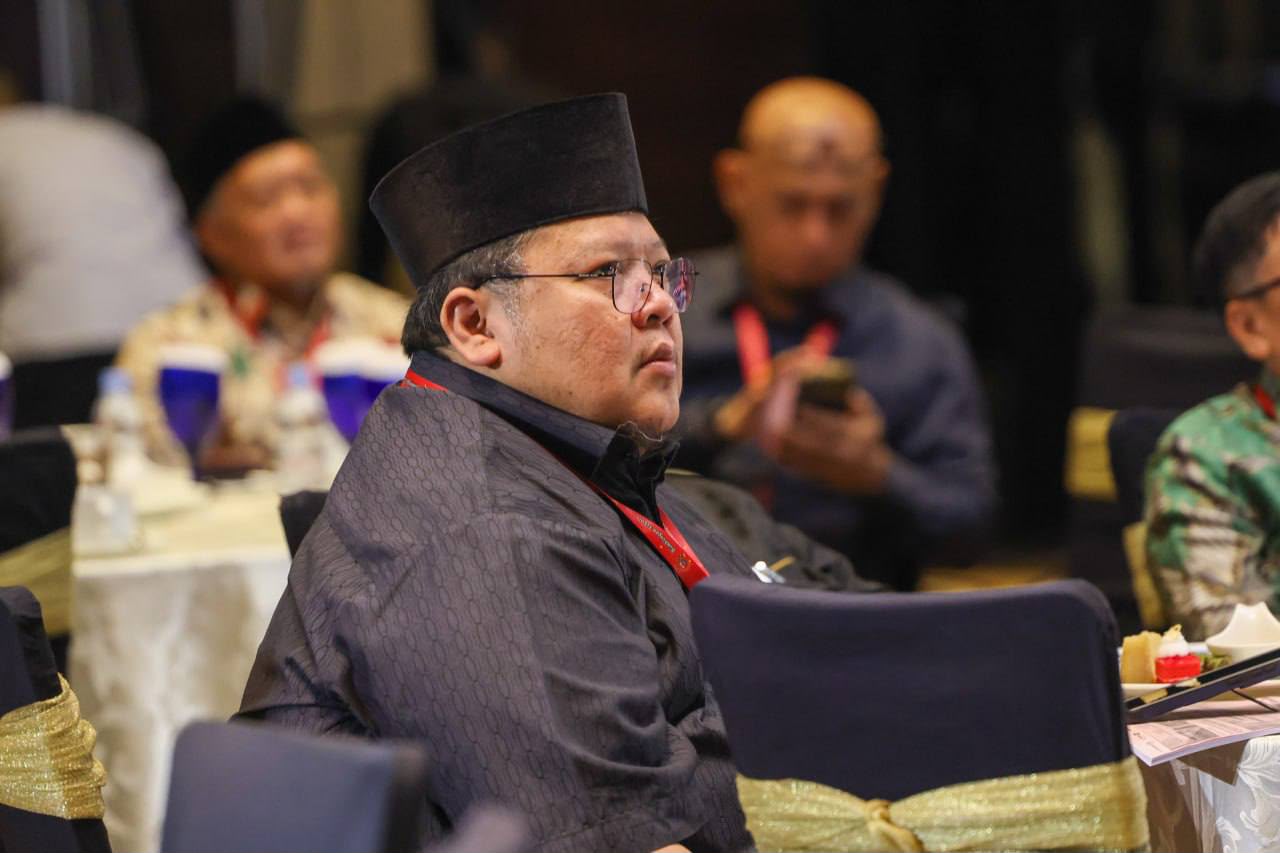
Jakarta DPRD member from the PKS faction, Ade Suherman, has urged that the ratification of the Regional Regulation on Food System Governance not stop at being a legal foundation, but be promptly translated into policies and programmes that are genuinely felt by the public.
This was conveyed by Ade following the delivery of the Jakarta Provincial Government’s Final Opinion on the Draft Regional Regulation on Food System Governance and the Environmental Protection and Management Plan during the Jakarta DPRD Plenary Session on Wednesday (12/8).
According to Ade, the Provincial Government itself has affirmed that the Food System Bylaw will serve as the foundation for designing coordinated policies, programmes, and budgeting for food system governance.
“After this bylaw is ratified, the real challenge begins. We must not stop at regulation. The public needs food that is available, affordable, safe, and nutritious. Therefore, its implementation must be visible in the provincial government’s programmes and budgeting,” said Ade.
Ade assessed that attention to food must cover the entire food system chain, from availability, affordability, and safety to food utilisation. Moreover, the Provincial Government in its Final Opinion has itself placed indicators such as the prevalence of insufficient food consumption, the Food Security Index, regional government food reserves, and food inflation as important indicators.
“We already have clear indicators. Therefore, going forward, evaluation must also be data-based. We must be able to see whether food policies truly reduce public vulnerability to price increases and improve Jakarta’s food security,” said Ade.
Ade also emphasised the importance of cross-sector synergy. According to him, food issues cannot be resolved by a single regional apparatus alone because they relate to urban agriculture, trade, MSMEs, distribution, transportation, and the protection of vulnerable communities.
Meanwhile, regarding the Regional Regulation on the Environmental Protection and Management Plan (RPPLH), Ade assessed that the document must truly serve as a reference in determining Jakarta’s development direction.
This is in line with the Provincial Government’s commitment in its Final Opinion, which stated that the RPPLH will be integrated into regional development planning documents as well as various sectoral policies.
“The RPPLH must not become a document that merely sits on a desk. If we talk about Jakarta as a global city, economic development must go hand in hand with environmental protection. Environmental carrying capacity and assimilative capacity must be considered in every development policy,” Ade stressed.
Ade said the DPRD will exercise its oversight function to ensure that commitment is translated into concrete policies.
According to him, Jakarta’s future challenge is not merely pursuing economic growth, but ensuring that growth is not paid for with declining environmental quality and a reduced quality of life for residents.
“We want Jakarta to advance economically while remaining liveable. Therefore, the Food System Bylaw and the RPPLH must become instruments to ensure Jakarta’s development proceeds sustainably and that its benefits return to the public,” Ade concluded.
Source: jawawa.id (https://jawawa.id/newsitem/dki-jakarta-food-system-bylaw-must-translate-into-beneficial-policies-for-residents-1786535447)
Originally published by Media Indonesia (https://mediaindonesia.com/megapolitan/921023/perda-sistem-pangan-dki-harus-turun-jadi-kebijakan-yang-bermanfaat-untuk-warga), translated from Indonesian