
DKI Implements Integrated Ticket Booking System in Performance Venues
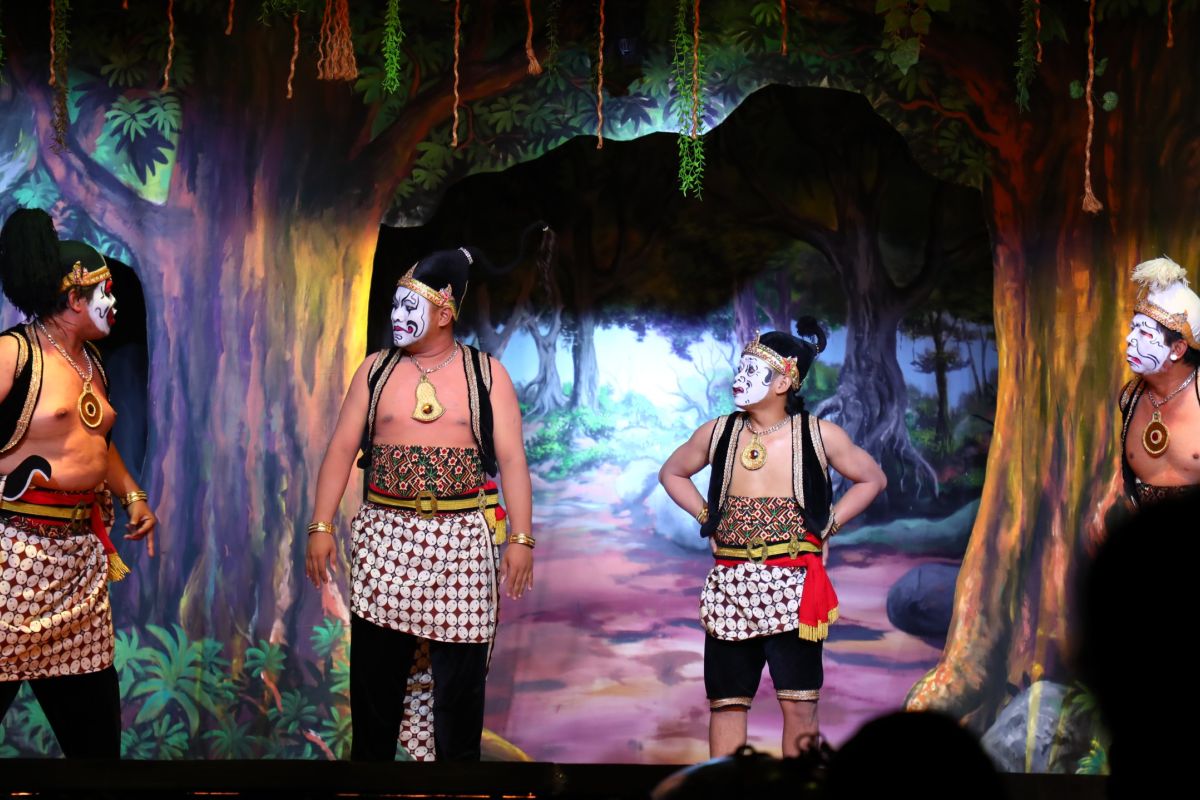
The Jakarta provincial government has implemented an integrated ticket booking system for arts performances at cultural venues as part of its digital transformation drive. Rinaldi, Head of the Performing Arts Building Management Unit (UP GPSB) at the Jakarta Culture Agency, stated that the shift to digital ticketing addresses public concerns over difficulties in securing tickets for highly sought-after performances. The integrated system was recently trialled during the performance of “Petruk Dadi Dalang” at the Wayang Orang Bharata Theatre in Senen, Central Jakarta, on Saturday (6/6). Organisers shared a QR code for ticket purchases through the Instagram account @gedungpertunjukanjakarta, which directed users to the official UP GPSB website. The show marked the fourth routine Wayang Orang Bharata performance of 2026, organised in collaboration between the Jakarta Culture Agency and the Wayang Orang Bharata Association. According to data from the UP GPSB integrated ticketing system, the site recorded 8,088 interactions between 4 and 6 June 2026. “Public interest in watching Wayang Orang Bharata is very high; we recorded 8,088 users accessing our ticket page across a wide range of ages, predominantly from the younger generation,” Rinaldi said. He noted that this strong enthusiasm indicates that traditional performing arts still hold an important place in the hearts of urban society. This weekend, UP GPSB will again apply the integrated booking system for the next performance: a routine Sundanese Sandiwara Miss Tjitjih 1928 show titled “Nyai Dasimah”, held in conjunction with the 499th Jakarta Anniversary celebrations on 13 June 2026 at the Miss Tjitjih Theatre in Kemayoran, Central Jakarta. “Technological advancement must support the preservation of arts and culture, so that routine performances dedicated to preserving tradition remain sustained and enduring without losing their substance and philosophy,” Rinaldi concluded.