
DKI Expands International Partnerships with South Korea and Japan
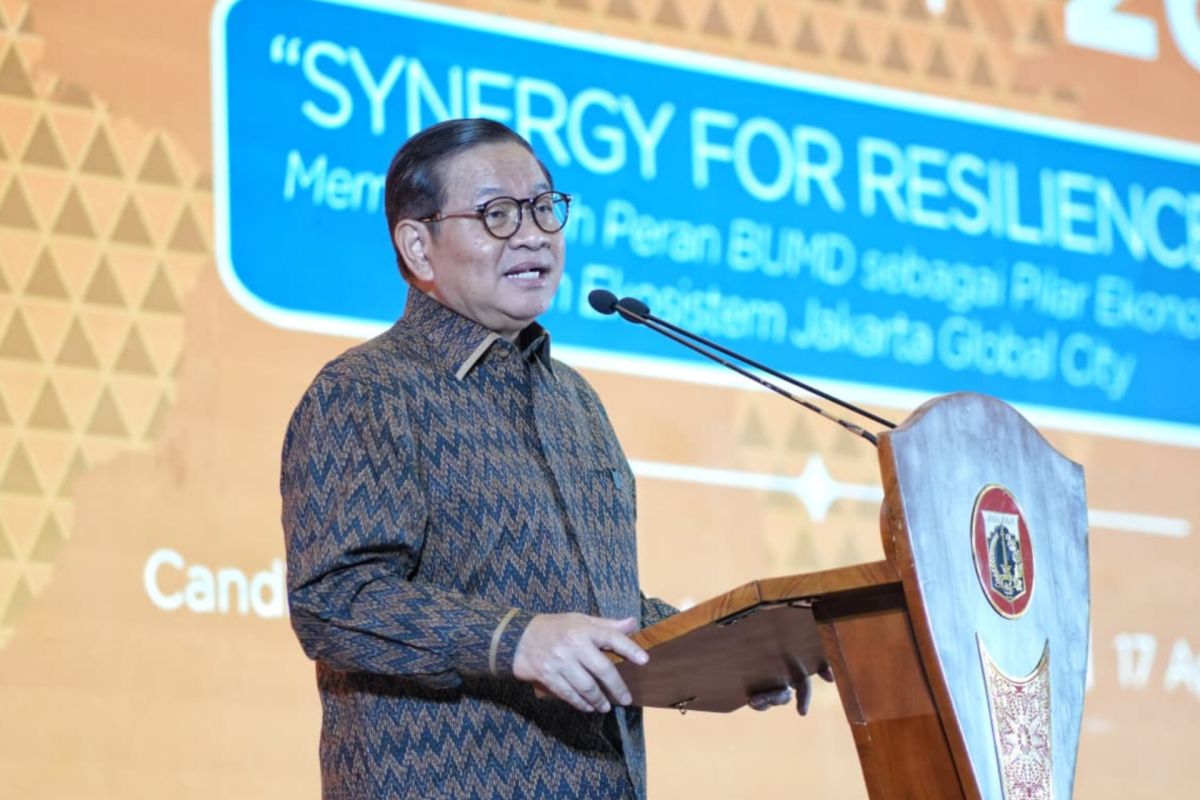
Jakarta (ANTARA) - The Jakarta Provincial Government (Pemprov DKI Jakarta) is expanding its international partnerships with Shenzhen (China), Seoul (South Korea), Tokyo, and Kyoto (Japan), while strengthening Jakarta’s diplomacy through Governor Pramono Anung’s working visit to the three countries from 22-28 April 2026.
“With cross-city collaborations and support from international partners, Jakarta is ready to grow into a world-class city that is livable and sustainable for all its citizens,” said Pramono in a press statement received in Jakarta on Wednesday.
Several strategic agendas undertaken by Pramono include bilateral meetings with the Executive Mayor of Shenzhen, meetings with the Shenzhen City Government and Shenzhen Metro, as well as the signing of a memorandum of understanding between MRT Jakarta and Shenzhen Metro.
The Governor of DKI is also scheduled to attend the JIEP Business Matching Forum 2026 and a “roundtable discussion” with the Shenzhen Qianhai AI Industry Association, as well as visit the Qianhai Exhibition Hall and meet with the leadership of the Qianhai Administration Bureau.
This series of activities is also being utilised to introduce opportunities for cooperation and investment in Jakarta.
Visits to two healthcare facilities form part of the exploration of cooperation and benchmarking for the development of healthcare services in Jakarta, particularly at Sumber Waras Hospital.
Meanwhile, in Japan, Pramono is scheduled to hold bilateral meetings with the Governor of Tokyo to strengthen inter-city cooperation, including follow-up on green innovation projects, youth diplomacy, and enhancing synergies between Jakarta and Tokyo in addressing urban challenges in Asia.
He will also serve as a speaker at the G-NETS Leaders Summit 2026, a prestigious forum for world city leaders discussing issues of sustainability, climate resilience, and the future of global cities.
“Jakarta is a living laboratory for urban transformation in Southeast Asia. The climate challenges, flooding, traffic congestion, and air pollution that we face are not obstacles, but drivers of innovation,” said Pramono.