
DKI DPRD to Summon Satpol PP to Discuss Personnel Shortages
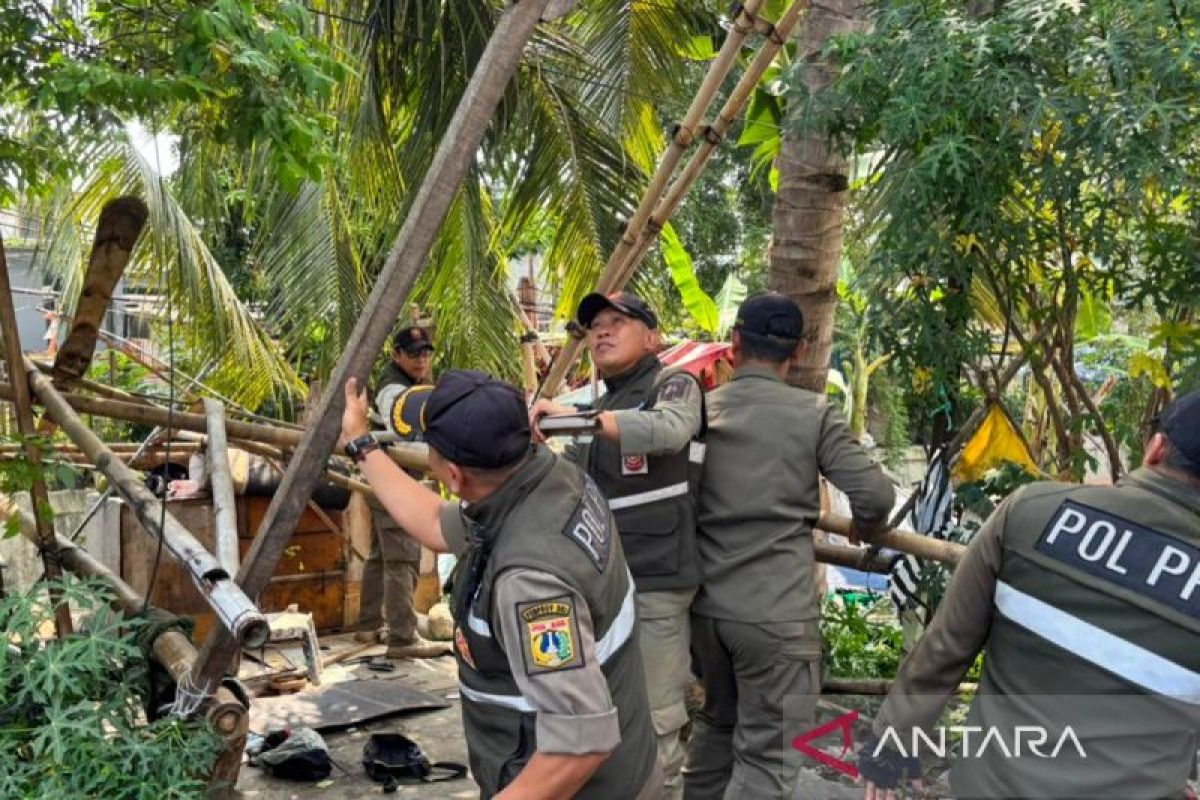
Jakarta (ANTARA) - Commission A of the DKI Jakarta DPRD will soon summon the Civil Service Police Unit (Satpol PP) again to discuss working patterns and personnel shortages. In addition to Satpol PP, Commission A will also summon the Regional Personnel Agency (BKD), the Regional Development Planning Agency (Bappeda), and the Regional Financial Management Agency (BPKD) of DKI Jakarta. “We are not stopping at notes alone. In the near future, we will summon Satpol PP along with BKD, Bappeda, and BPKD to specifically discuss personnel needs, working patterns, and budgets comprehensively,” said Commission A DPRD DKI Jakarta member Kevin Wu when contacted on Tuesday. His side will push for a more field-oriented working system, particularly for the protection and health of members. Moreover, Kevin did not rule out the possibility of going to the field to see the actual conditions experienced by Satpol PP members. “In the future, this must be addressed immediately, starting from evaluating working patterns to make them more humane, gradual addition of personnel, provision of adequate rest facilities in the field, to routine health protection for members. We will also monitor this in budget discussions and performance evaluations,” he said. Previously, the Head of the DKI Jakarta Satpol PP, Satriadi Gunawan, revealed that 35 of his members had died over the past nearly one year. According to him, the high number was caused by the heavy workload in the field and the lack of supporting facilities and infrastructure for personnel. “I have been the Head of Satpol PP for almost a year. So, almost 35 of my members have died. Not because of the head, but because of the conditions, the workload and facilities that are extraordinary,” said Satriadi in Jakarta on Thursday (23/4). In a meeting with Commission A DPRD at the DKI DPRD Building in Jakarta, he also explained that the number of Satpol PP personnel at the sub-district level is still very limited, around seven to 10 people. That number is deemed disproportionate to the tasks that must be carried out, from supervision to area enforcement. As a result, many members have to work for very long durations, even up to 36 hours.