
DKI Council Urges Provincial Government to Prioritise Sanitation and Safety in Dense Settlements
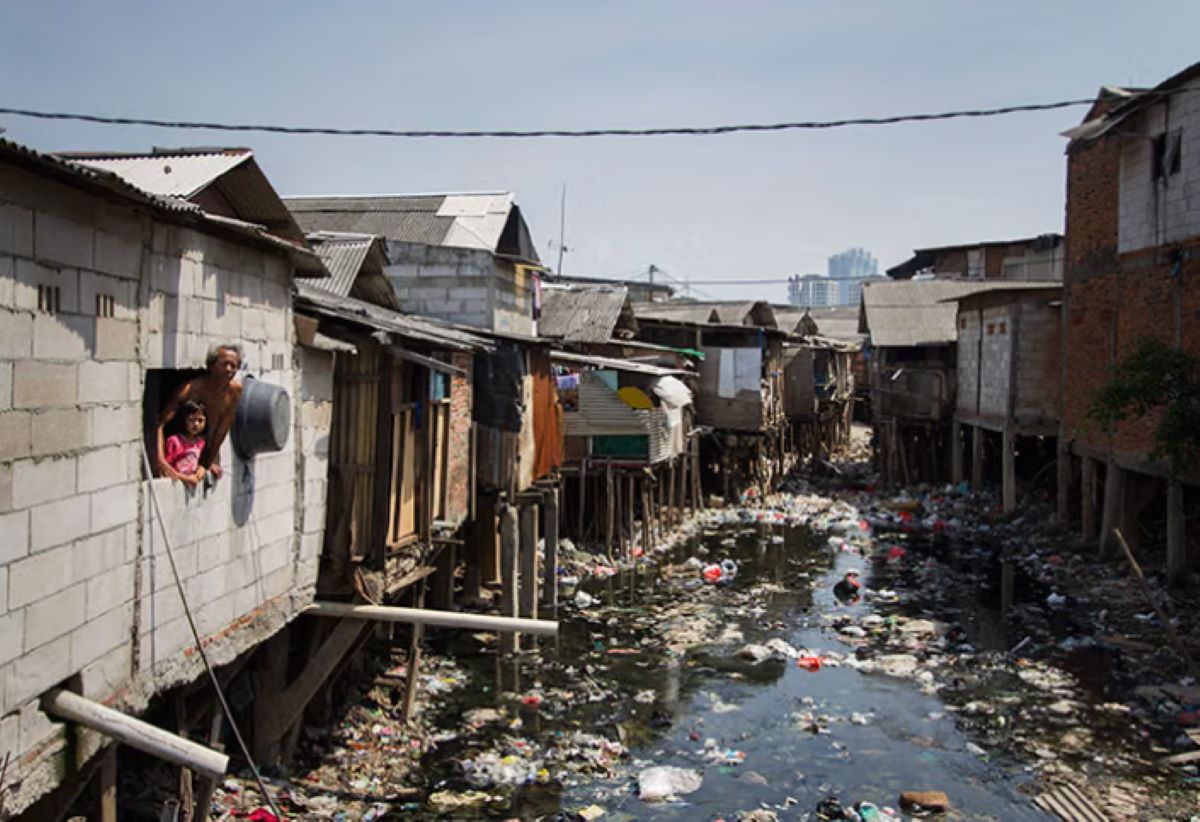
Member of Commission B of the DKI Jakarta Regional House of Representatives (DPRD), Jupiter, has urged the DKI Jakarta Provincial Government to prioritise the equitable distribution of basic services in densely populated residential areas. He stated that issues concerning sanitation, road safety, and access to essential services remain pressing needs that must be addressed immediately. “Development must be felt right down to the neighbourhood level,” Jupiter said on Monday (6/7). The request was made after he absorbed residents’ aspirations during a recess visit to RW 03 and RW 07, Keagungan Urban Village, Taman Sari District, West Jakarta. He emphasised that Jakarta’s development should not focus solely on large-scale infrastructure projects but must directly address the basic needs of the community. Regarding road safety, residents of RW 07 proposed the installation of speed bumps and convex mirrors to improve user safety. Jupiter noted that high vehicle activity in densely populated areas makes such supporting facilities an urgent necessity. “Residents’ safety must be a priority,” he stressed, requesting that the Transportation Agency promptly follow up on the proposal to reduce the risk of accidents in residential areas. In addition to road safety, Jupiter highlighted the concerning state of sanitation in RW 03. Based on residents’ input, approximately 120 homes still lack septic tanks, resulting in domestic waste being discharged directly into waterways. “There are still residents who do not have access to proper sanitation. This must be addressed,” he said. He called on the Water Resources Agency and the Public Housing and Settlement Areas Agency to immediately allocate budgets for the construction of communal sanitation facilities in the densely populated area. He stressed that the provision of basic services is an absolute responsibility of the government and cannot rely solely on corporate social responsibility programmes. “The government must be present through programmes and budget allocations, not just relying on CSR,” he concluded.