
DKI Continues to Develop Family Data Collection through the "Carik Jakarta" Application
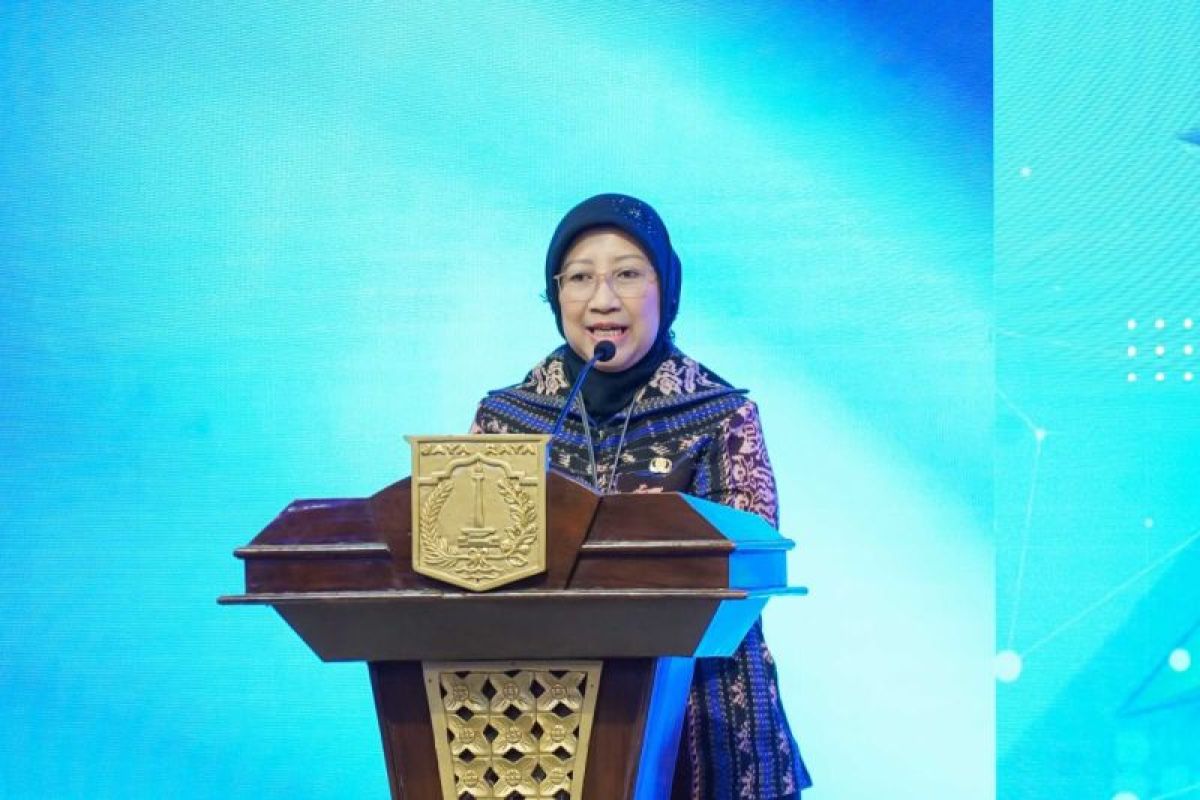
Jakarta (ANTARA) - The DKI Jakarta Population Empowerment, Child Protection, and Population Control Agency (PPAPP) continues to develop family data collection through the “Carik Jakarta” application, which is now integrated with various other sectoral population data systems.
“As it progresses, Carik Jakarta continues to be developed, from strengthening the one-stop family data collection system, developing reporting and thematic data collection features, to integration with various population data systems and other sectors,” said the Head of the DKI Jakarta Provincial PPAPP Agency, Dwi Oktavia, in Jakarta on Thursday.
She stated that the legality of utilising this data has been strongly regulated through Governor’s Regulation Number 11 of 2022, to ensure that all regional apparatus have access to valid data to support their performance.
The DKI PPAPP Agency, she continued, is very open to collaboration opportunities, both in data utilisation, system integration, and the development of specific data needs in each Regional Apparatus Organisation (OPD).
The integrated family data collection application, “Carik Jakarta”, was officially launched in 2019, becoming the main pillar in mapping population data in the capital.
With the involvement of 76,114 Dasawisma Cadres covering 95 percent of RW areas and 93 percent of RT areas, this platform is not merely a data collection tool, but also an instrument for driving and disseminating strategic programmes of the DKI Jakarta Provincial Government.
Through the carik.jakarta.go.id/dashboard portal, Carik Jakarta now presents data transparency covering 12 strategic topics, from population, health, to employment.
“In this context, family data becomes one of the important components that can provide a more comprehensive picture of community conditions,” she said.
The data collected through the Carik Jakarta system is part of dynamic sectoral data potential. Therefore, this data must be utilised optimally and collectively by all regional apparatus.
Ali emphasised that future challenges are no longer merely about data availability, but how to utilise that data optimally, consistently, and integrated in every planning, implementation, to evaluation process of development programmes.
He is optimistic that a data-based work culture will be the key to delivering concrete solutions for Jakarta residents. This step also ensures that no single community member is left behind in accessing services in Jakarta.
“By prioritising synergy and integration, I am confident that the data we have can be utilised more optimally to support inclusive and targeted policies, as well as provide real benefits to the community,” said Ali.