
DJPb Assures State Budget Will Maintain Public Purchasing Power in Yogyakarta
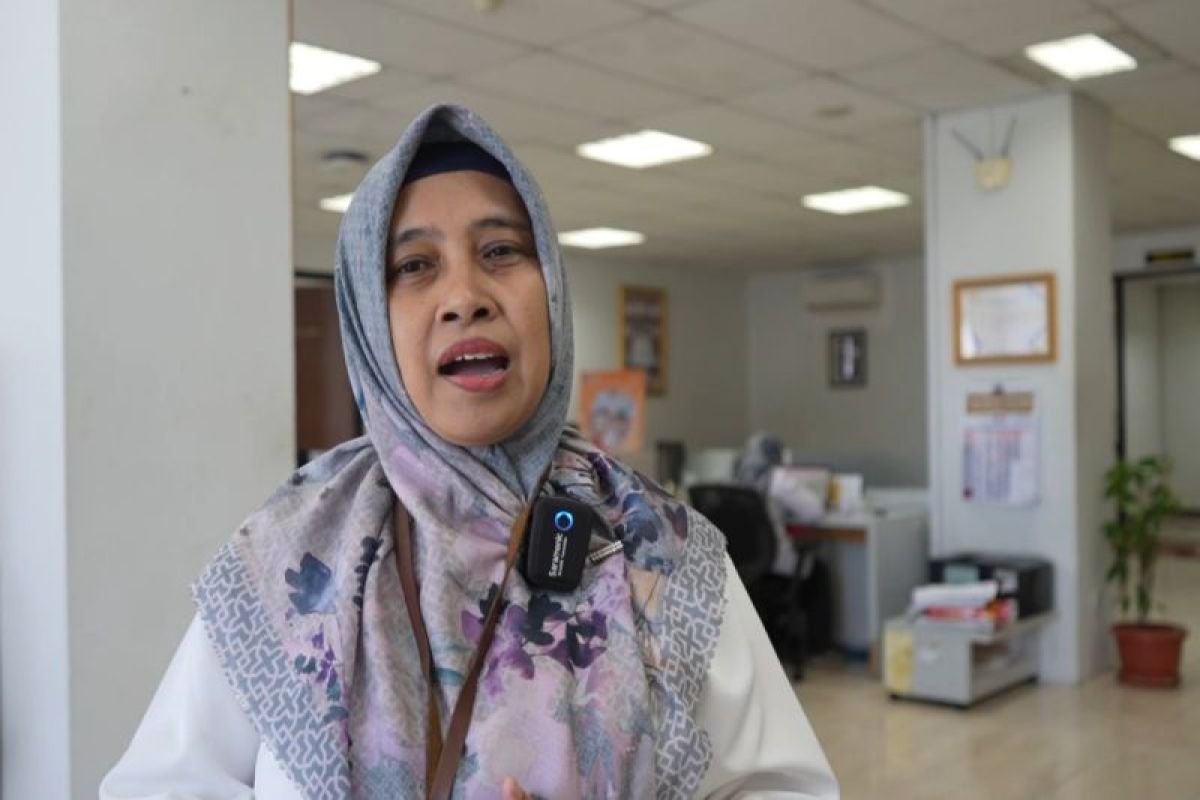
The Regional Office of the Directorate General of Treasury (DJPb) for the Special Region of Yogyakarta (DIY) has assured that the State Budget (APBN) is a strategic instrument for maintaining price stability and public purchasing power in the region amidst global economic challenges and fluctuating essential goods dynamics. As of May 2026, the inflation rate in DIY was recorded at 2.77 percent year-on-year. This achievement reflects the effectiveness of control measures implemented synergistically through collaboration between the central and regional governments, said Juli Kestijanti, Head of the Budget Execution Guidance Division II at the DJPb Regional Office for DIY, in Sleman on Wednesday. She explained that the APBN plays a vital role as the primary fiscal instrument, particularly in facing inflationary pressures due to seasonal factors and global economic volatility. The APBN maintains price stability through programmes to strengthen food security, build distribution infrastructure, and provide social protection for vulnerable groups, she stated. According to Juli, the APBN’s support is realised through the allocation of ministry and institutional spending as well as Regional Transfers (TKD). TKD funds provide adequate fiscal space for regional governments to carry out direct interventions, such as market operations, transport subsidies, and the strengthening of food reserves to guarantee supply availability. In maintaining this stability, the government applies a four-pillar approach known as 4K, which encompasses price affordability, supply availability, smooth distribution, and effective communication. The DJPb Regional Office for DIY, Juli noted, actively participates in the Regional Inflation Control Team (TPID) by ensuring that the disbursement of APBN and TKD spending is timely and well-targeted. Furthermore, the DJPb provides data support and analysis for policymakers to formulate responsive control measures based on the latest local conditions. Thanks to this cross-sector collaboration, DIY achieved the second-best national ranking in inflation control based on an assessment by the Ministry of Home Affairs. Going forward, we are committed to continuing to oversee the implementation of the APBN so that every rupiah managed provides real benefits for price stability and serves as a foundation for inclusive and sustainable economic growth in DIY, she said.