
DJP Yogyakarta Prosecutes Property Developer in Rp768m Tax Evasion Case
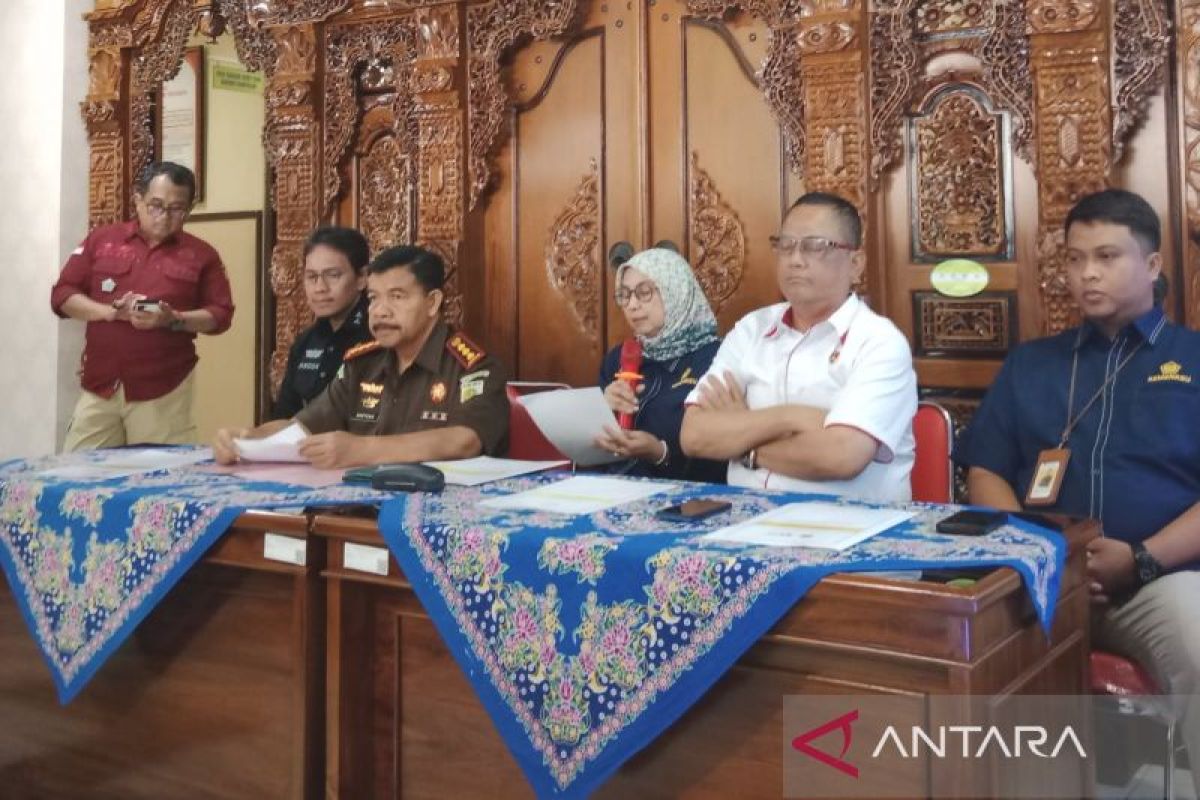
The Yogyakarta Regional Office of the Directorate General of Taxes (DJP) has taken action against a property development company director, identified as PP, who is suspected of tax evasion causing a state loss of up to Rp768 million. ‘The defendant committed tax crimes through his company by failing to remit Value Added Tax (VAT) collected from consumers,’ said Teguh Hadi Wardoyo, Head of the Examination, Collection, Intelligence, and Investigation Division of the Yogyakarta DJP Regional Office, in a written statement on Monday. The case was referred by the Bantul Public Prosecutor’s Office and registered at the Bantul District Court on 21 April 2026 with Case Number 86/Pid.Sus/2026/PN Btl. The case, he added, resulted from an investigation conducted by the Civil Servant Investigators (PPNS) of the Yogyakarta DJP Regional Office, which was subsequently handed over to the Bantul Public Prosecutor’s Office. ‘The handover to the Bantul Public Prosecutor’s Office occurred on 9 April 2026 for the second stage of prosecution,’ Teguh said. He explained that the company led by defendant PP allegedly failed to submit monthly VAT tax returns for October to December 2019. Furthermore, the company also submitted incorrect or incomplete monthly VAT returns for January to September 2019. He stated that the defendant is suspected of violating Article 39(1)(c), (d), and/or (i) of the General Provisions and Tax Procedures Law (UU KUP). ‘The defendant faces up to six years in prison and/or a fine of up to four times the unpaid or underpaid tax amount, as stipulated in Article 39(1) of the UU KUP in conjunction with Article II(8) of Annex I No. 52 of Law No. 1 of 2026 on Penalty Adjustments,’ the statement said. Acting Head of the Yogyakarta DJP Regional Office, Wansepta Nirwanda, added that tax law enforcement is carried out to ensure fairness and improve taxpayer compliance. ‘This enforcement aims to deter violations and ensure fairness for all compliant taxpayers,’ he stressed.