
DJP: Tax Levies for MSME CVs and PTs are Not Based on Turnover
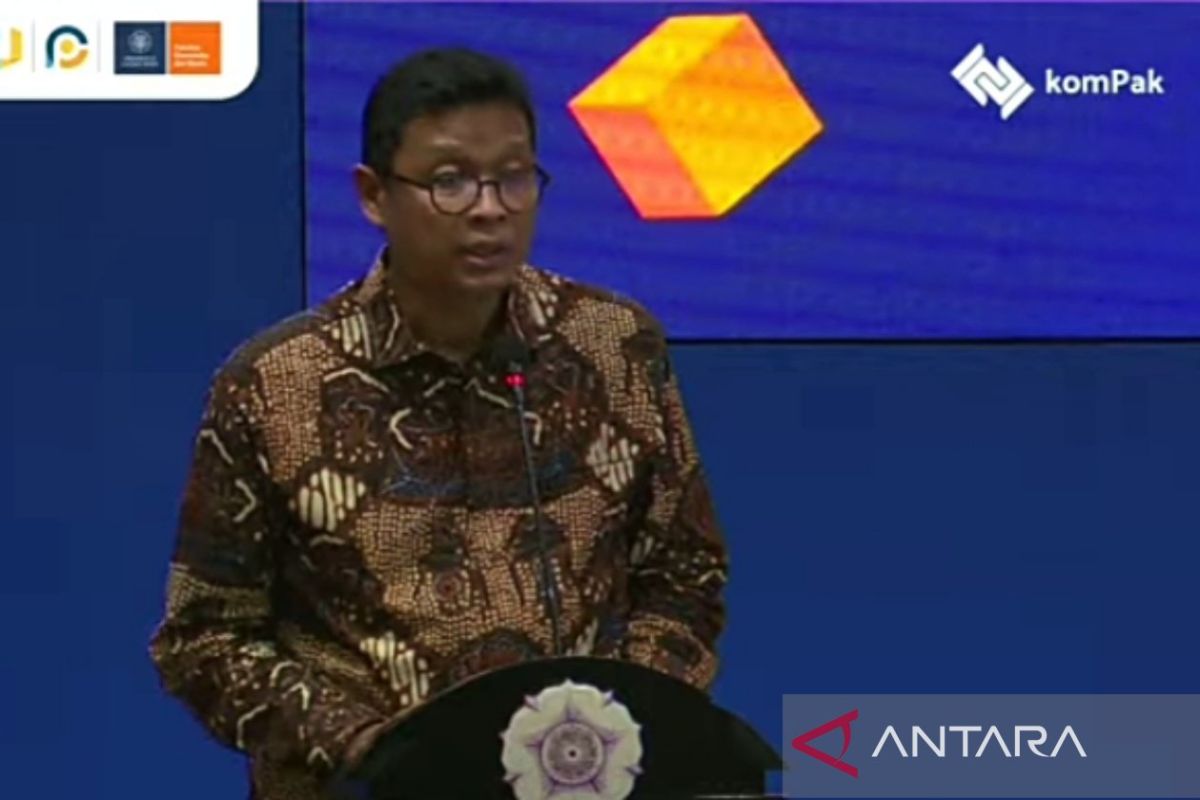
The Directorate General of Taxes (DJP) has stated that the tax collection mechanism for micro, small, and medium enterprises (MSMEs) that have been removed from the 0.5% final income tax (PPh) facility, such as CV and PT business entities, is no longer based on turnover.
Director General of Taxes Bimo Wijayanto explained in a written statement in Jakarta on Monday that taxes will now be calculated based on net profit after deducting permitted operational costs. “Transitioning to the general mechanism does not automatically result in a larger tax burden,” Bimo noted.
The government removed CVs and PTs from the 0.5% final PPh facility through Government Regulation (PP) Number 20 of 2026 regarding Adjustments to Income Tax Regulations. Under the new rules, the 0.5% final PPh facility can only be utilised by individual taxpayers, sole proprietorships (perseroan perorangan) established by one person, and cooperatives. Under previous regulations, this facility was available to cooperatives, limited partnerships (CV), firms, limited liability companies (PT), and Village-Owned Enterprises (BUMDes).
According to Bimo, the new regulation is an improvement to ensure that tax incentives are more targeted, simple, and sustainable. “This policy is designed to ensure MSMEs have ample space to grow, drive regional economies, and create jobs without being burdened by complex tax administration,” he said.
In addition to the shift from turnover-based to profit-based taxation for entities like PT and CV, several other key points are regulated in this policy. Firstly, the turnover threshold for utilising the 0.5% final PPh facility remains at Rp4.8 billion per year. Furthermore, the provision for turnover up to Rp500 million per year being tax-free for individual taxpayers remains in place. Additionally, the 0.5% final rate facility can be used indefinitely, whereas for cooperatives, it can be used for four years from the date of registration.
“This aims to allow business actors to focus on developing their businesses without administrative burdens,” Bimo added.
The government is also anticipating loopholes for potential abuse, such as the practice of splitting businesses or forming multiple new entities to avoid normal tax rates. This strategy is implemented to ensure that tax incentives are truly received by growing businesses aiming to scale up. “The government wants to be present not just as a regulator, but as a partner accompanying the journey of business actors. We want to ensure our MSMEs transform into businesses that are stronger, more independent, and highly competitive,” he concluded.