
DJP Collaborates with Law Enforcement to Collect from Tax Defaulters
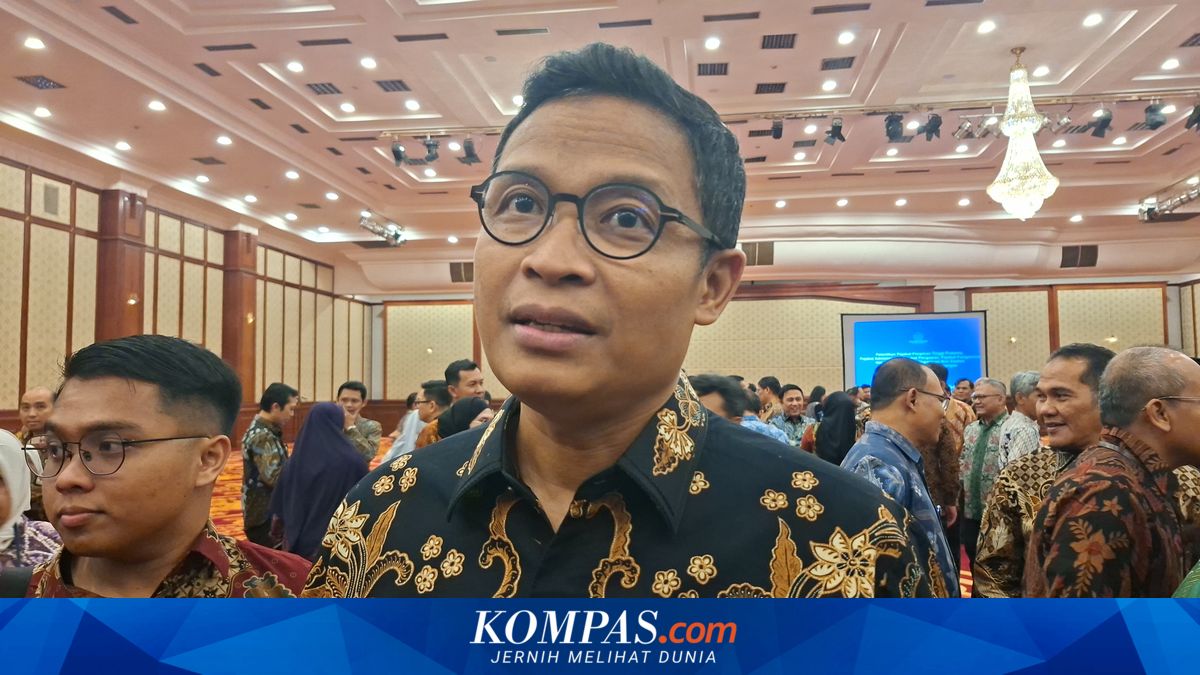
The Ministry of Finance, through the Directorate General of Taxes (DJP), is collaborating with law enforcement agencies to collect outstanding tax debts. This stronger and more assertive approach is expected to increase state revenues from amounts not yet deposited by taxpayers. “Regarding the long-standing outstanding debts, in our most ultimate collection efforts, we are working with the State Attorney’s Office,” said the Director General of Taxes of the Ministry of Finance, Bimo Wijayanto, quoted from Kontan on Wednesday (8/4/2026). In particular, for uncooperative taxpayers with various assets that cannot be reached through ordinary administrative mechanisms, this action is deemed necessary. Besides outputs, DJP is also improving its internal side by dismissing employees proven to have committed serious violations. Reflecting on this, for 2026, DJP wants to improve by preventing such violations from occurring again. “That’s not an achievement. In 2026, we want to prevent it. Don’t let there be any more dismissals and no more mischief,” Bimo said. This is certainly not justified, but weaknesses in the Coretax system have given rise to this phenomenon. “The design is indeed quite difficult for ordinary people to use, so jokers or software interfaces have emerged that bridge between Coretax and people,” said Purbaya, quoted from Kompas.com on Monday (6/4/2026). The development of Coretax was too rushed, making it somewhat immature when used. It was only in March 2026 that Purbaya became aware of these weaknesses. “I only found out less than a month ago that there was room for people to enter in the middle of Coretax,” he said.