
DJP Blocks Bank Accounts of Energy Company Over Rp 300 Million Tax Arrears
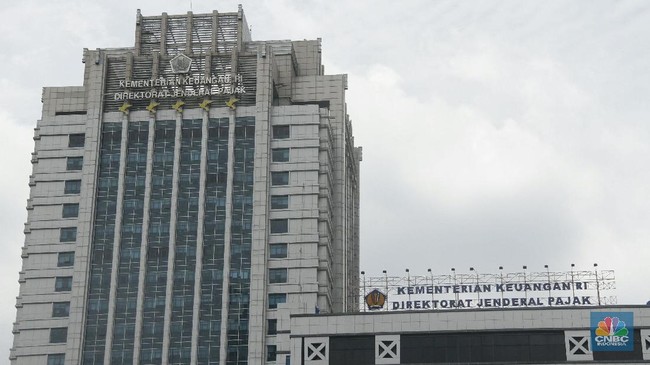
The Semarang Madya Dua Tax Office (KPP) has blocked the bank accounts of an energy sector taxpayer, identified by the initials PT EFI, after discovering outstanding tax arrears. This freezing of accounts is part of a simultaneous tax collection operation coordinated by the Central Java I Regional Office of the Directorate General of Taxes (DJP) in Semarang, which has been ongoing since May 2026.
“This is a form of justice for taxpayers who have been compliant in meeting their tax obligations, and also serves as a deterrent for non-compliant taxpayers,” stated Nanda Andito, Head of the Audit, Collection, and Valuation Section at KPP Madya Dua Semarang, in a written statement on Tuesday (2/6/2026).
According to records from KPP Madya Dua Semarang, PT EFI has tax arrears of approximately Rp 300 million from 2023. These arrears are being pursued through the bank account blocking scheme. If the freezing of accounts does not lead to the settlement of the arrears, the Directorate General of Taxes will proceed with the seizure of assets. Ultimately, if the debt remains unpaid, the seized assets will be auctioned to settle the tax arrears.
“The process begins with the blocking of accounts, followed by seizure, and if payment is still not made, the seized assets will be auctioned to settle the tax debt,” Nanda explained.
Under Article 1 paragraph (1s) of Law Number 19 of 2000, seizure is an action taken by State Tax Bailiffs (JSPN) to take control of a taxpayer’s property to serve as collateral for the settlement of tax debts. During this process, bailiffs will trace the taxpayer’s assets that can be subject to seizure. Seizable objects may include movable goods such as vehicles, jewellery, cash, deposits, savings, checking account balances, giro, shares, bonds, receivables, and even capital participation in other companies. Additionally, immovable assets such as land, buildings, and ships with a certain gross tonnage can also be subject to seizure.
“Through a seizure execution order, bailiffs will perform the sealing or seizure of these goods and record it in the official seizure report,” emphasised State Tax Bailiff Abiyanto.
Account blocking is not the first measure imposed. Before reaching this stage, the Directorate General of Taxes has employed persuasive approaches toward the taxpayer in accordance with applicable tax collection regulations. State tax bailiffs are also required to prioritise negotiation before executing active collection measures.
In addition to account blocking, the Directorate General of Taxes possesses several other collection instruments against taxpayers deemed non-compliant or lacking good faith. These measures include travel bans and hostage-taking (sanctions) in accordance with the provisions of Law Number 19 of 2000 regarding the Amendment to Law Number 19 of 1997 concerning Tax Collection by Distress Warrant.