
DJKN Expands Implementation of State Asset Insurance with Disaster Pooling Fund
Jakarta (ANTARA) - The Directorate General of State Assets (DJKN) of the Ministry of Finance is strengthening fiscal resilience in the face of disaster risk through the expansion of State Property Insurance (ABMN) funded by the Disaster Pooling Fund (PFB).
As part of this implementation, the ABMN Consortium handed over insurance policies to the ministries and agencies participating in the pilot scheme, whilst also making claim payments for state property (BMN) affected by the Seroja cyclone floods in Sumatra in 2025.
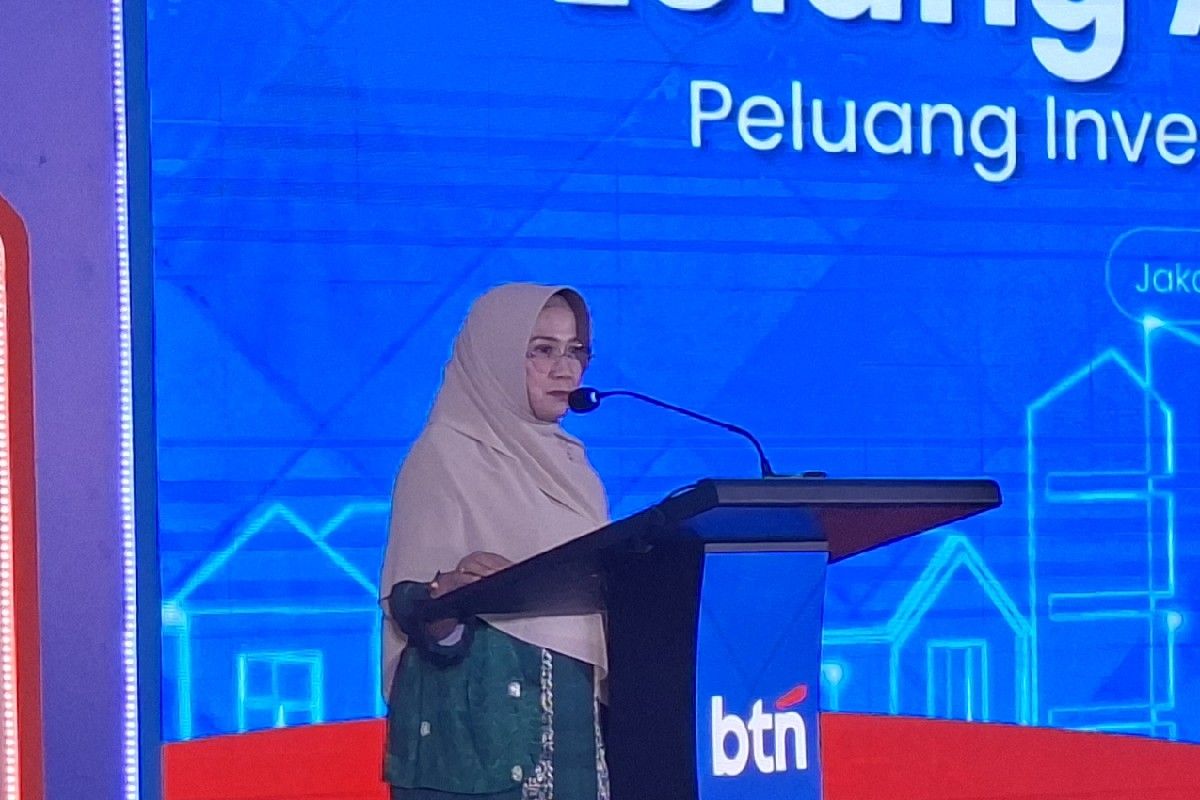
Director General of State Assets at the Ministry of Finance, Evita Manthovani, in her statement in Jakarta on Monday, considered the move an important milestone in strengthening state asset risk management, whilst ensuring that public service recovery can proceed more quickly when disasters strike.
She added that the insurance of state property is part of a transformation in state asset management that is increasingly adaptive to disaster risk.
To date, post-disaster asset rehabilitation has generally depended on the budgeting process through the State Revenue and Expenditure Budget (APBN).
However, under the Disaster Risk Finance and Insurance (DRFI) strategy, the Ministry of Finance, through DJKN, has introduced State Property Insurance with PFB funding as a risk management instrument that enables faster recovery through the claims payment mechanism when risks materialise, whilst also reducing the fiscal burden of premium financing.
“Indonesia cannot avoid disasters, but we can manage the risks better. Through State Property Insurance with PFB funding, the government seeks to ensure that when schools, hospitals and other public service facilities are affected by disasters, recovery can be carried out more quickly and the public can still receive the services they need,” she explained.