
Divinity in Action
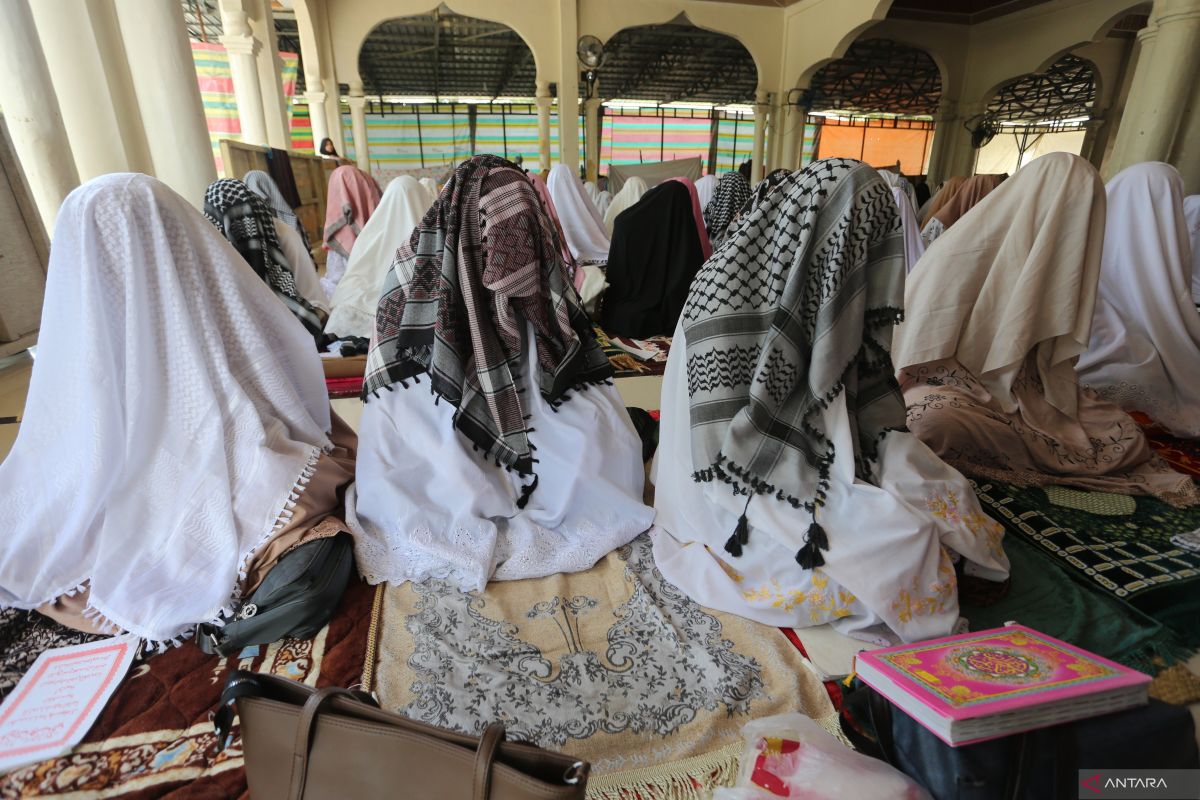
JAKARTA - Indonesia is often described as one of the world’s most religious nations. Places of worship stand in almost every region, religious activities take place year-round, and religious identity is a crucial part of social life. According to the Pew Research Center in 2025, Indonesia ranks second as the most religious nation after Bangladesh, with nearly all respondents stating belief in God and considering religion vital to their lives. Meanwhile, CEOWORLD Magazine and the Global Business Policy Institute in 2024 ranked Indonesia seventh out of 148 countries as the most devout and adherent society to their faith. These figures are undoubtedly impressive. Yet, behind the statistics highlighting high religiosity, questions merit careful reflection. Why, amidst such vibrant religious life, do behaviours persist that contradict religious teachings? Why have orderliness, honesty, and social compassion yet to become ingrained in daily life? This phenomenon is evident across various aspects of life. In public spaces, disorderly conduct such as traffic violations, queue-jumping, and littering remains commonplace. In national life, corruption remains a serious issue. Transparency International’s Corruption Perceptions Index shows Indonesia’s ranking dropping from 99th in 2024 to 109th out of 180 countries in 2025. This decline underscores the significant challenge in building clean and ethical governance. Meanwhile, politics, bureaucracy, public services, and policy-making processes continue to be marred by suboptimal practices. Even within religious life, this paradox is apparent. Reports frequently surface of religious leaders engaging in negative behaviour or actions contradicting the moral values they preach.