
District Councils Propose Increased Fiscal Transfers for Resource-Rich Regions
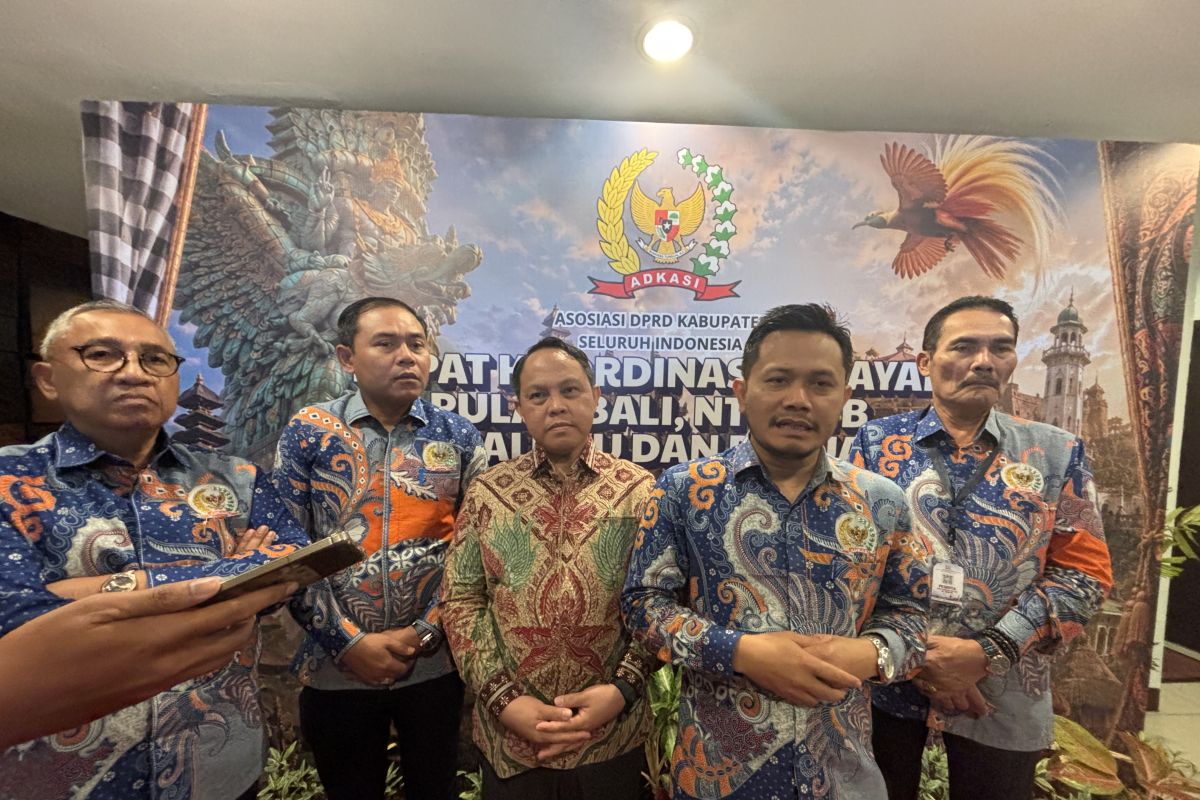
The Association of Indonesian District Councils (ADKASI) has proposed that the central government increase Transfer to Regions (TKD) funds for areas rich in natural resources, including oil and gas, plantations, or fisheries. ADKASI Chairman Siswanto stated during a regional coordination meeting in Denpasar on Wednesday that the revenue-sharing funds (DBH) for these regions should be prioritised. He noted that out of 415 districts in Indonesia, only eight currently have a sound fiscal capacity, with the rest falling into medium or low categories, despite many being resource producers. ADKASI considers this a right of the regions and is pushing for the proposal to be realised through the 2027 State Budget, which will be delivered on 17 August and discussed until October 2026. Siswanto explained that the association has already held audiences with the Minister of Home Affairs, the Minister of Finance, and relevant DPR commission leaders to convey the regions’ need for increased transfer funds to boost development. He highlighted that national TKD has decreased from Rp919 trillion to Rp693 trillion for 514 districts and cities, a general reduction of 24.7 per cent. The largest cut was in DBH, which fell by 70 per cent, while the General Allocation Fund and Special Allocation Fund saw smaller reductions of around 10 per cent. Siswanto argued that the DBH reduction should be treated not as a budget cut but as an under-disbursement or underpayment, which should be settled and paid to the regions in 2027. He calculated that while the average region feels a 24.7 per cent reduction, districts with mining or oil and gas wealth experience a much sharper decline. ADKASI is therefore proposing a more precise, fairer formula, potentially involving cross-subsidies from the central government. The district councils are inviting the central government to recalculate allocations, ensuring that districts with strong fiscal capacity are not treated the same as those with lower revenues. Siswanto stressed that TKD must be asymmetric, tailored to each region’s conditions, fiscal ability, and based on political, administrative, academic, bureaucratic, and community assessments. The district councils of Central and Eastern Indonesia, along with ADKASI leaders, affirmed their support for President Prabowo’s programmes and expressed hope that the government would reciprocate by supporting the granting of regional rights.