
Distance Learning Offers New Hope for Out-of-School Children, Says Deputy Minister
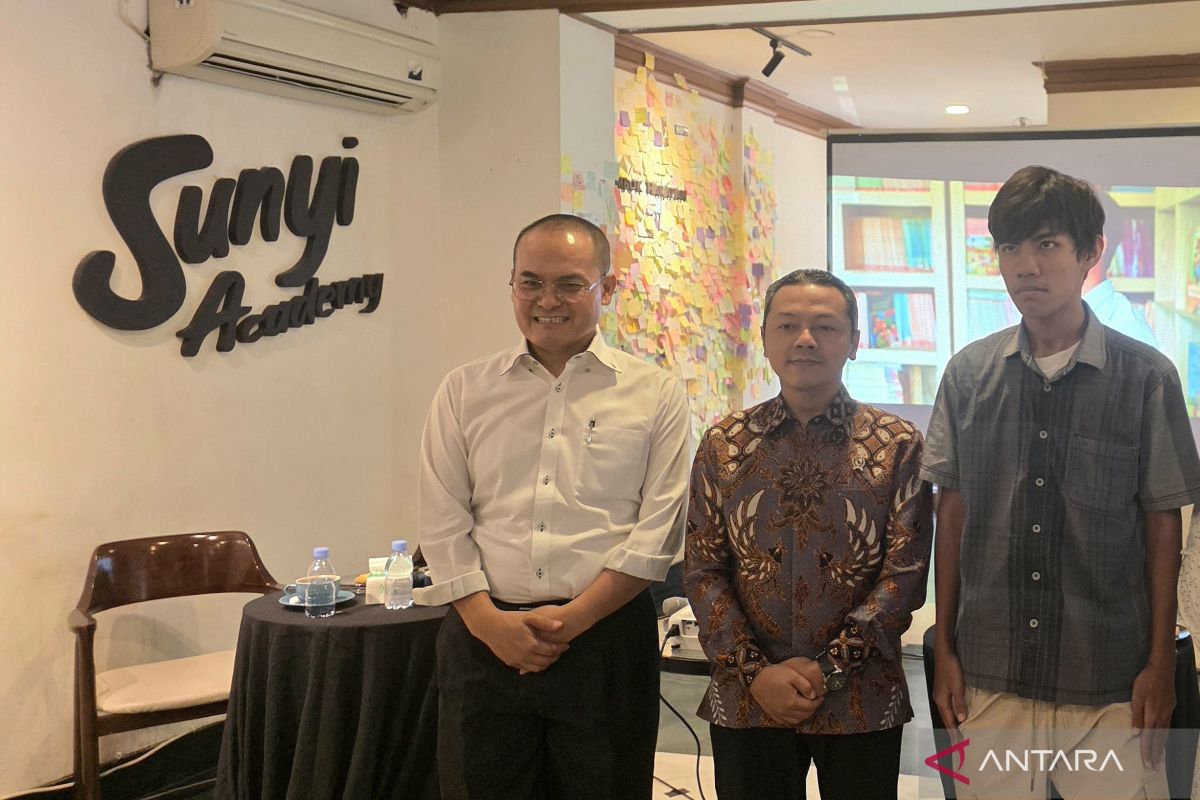
Deputy Minister of Basic and Secondary Education (Wamendikdasmen) Fajar Riza Ul Haq has stated that the implementation of distance learning (PJJ) offers new hope for children forced to drop out of school due to urgent reasons, including health conditions. He cited the case of Bagas Bagus Wiliam, a student from Sragen, Central Java, who was given the opportunity to return to education through PJJ after a two-year absence caused by a motorcycle accident. “PJJ is the answer to a mother’s prayer and a bridge for Bagas to reclaim his future. This is a form of state presence, even proactive outreach, because Bagas is not just a statistic in the out-of-school children data,” Fajar said during a media briefing on distance education in South Jakarta on Thursday.
Fajar explained that strengthening PJJ within the national education ecosystem is an initiative of the Minister of Basic and Secondary Education, Abdul Mu’ti, aimed at delivering more flexible and inclusive education services under the vision of Quality Education for All. He clarified that PJJ is not intended to replace conventional face-to-face schooling but serves as an alternative for children requiring flexibility. Following a trial application in 2025, the current implementation is focused on upper secondary education and will be expanded gradually once governance and quality standards are confirmed. Fajar also stressed that addressing the issue of out-of-school children is not solely the responsibility of the Ministry of Basic and Secondary Education. Presidential Regulation No. 3 of 2026 on the Prevention and Handling of Out-of-School Children designates it as a shared responsibility across ministries, agencies, local governments, village administrations, educational institutions, families, and the community.
At the same event, Director General of Secondary and Special Education Tatang Muttaqin revealed that over a thousand prospective students have been reached, with approximately 700 children verified as out-of-school. “The most critical challenge is maintaining student motivation. Therefore, PJJ does not rely solely on modules but also includes mentoring, monitoring, assessment, and support through Rumah Pendidikan. For areas with limited internet access, modules are still provided, and quality assurance is strengthened in collaboration with the Open University,” Tatang stated. He confirmed that students enrolled in the PJJ programme are formally registered in educational institutions, follow the national curriculum and assessments, and receive diplomas with equal legal standing. The student orientation period for PJJ participants will be conducted online and tailored to the conditions of students in each region.
Source: jawawa.id (https://jawawa.id/newsitem/distance-learning-offers-new-hope-for-out-of-school-children-says-deputy-minister-1785419765)
Originally published by Antara (Indonesian) (https://www.antaranews.com/berita/5673087/wamendikdasmen-pjj-buka-harapan-baru-bagi-murid-putus-sekolah), translated from Indonesian