
Dishub DKI Closes U-Turns on Bekasi-Cakung Road Every Afternoon to Prevent Gridlock
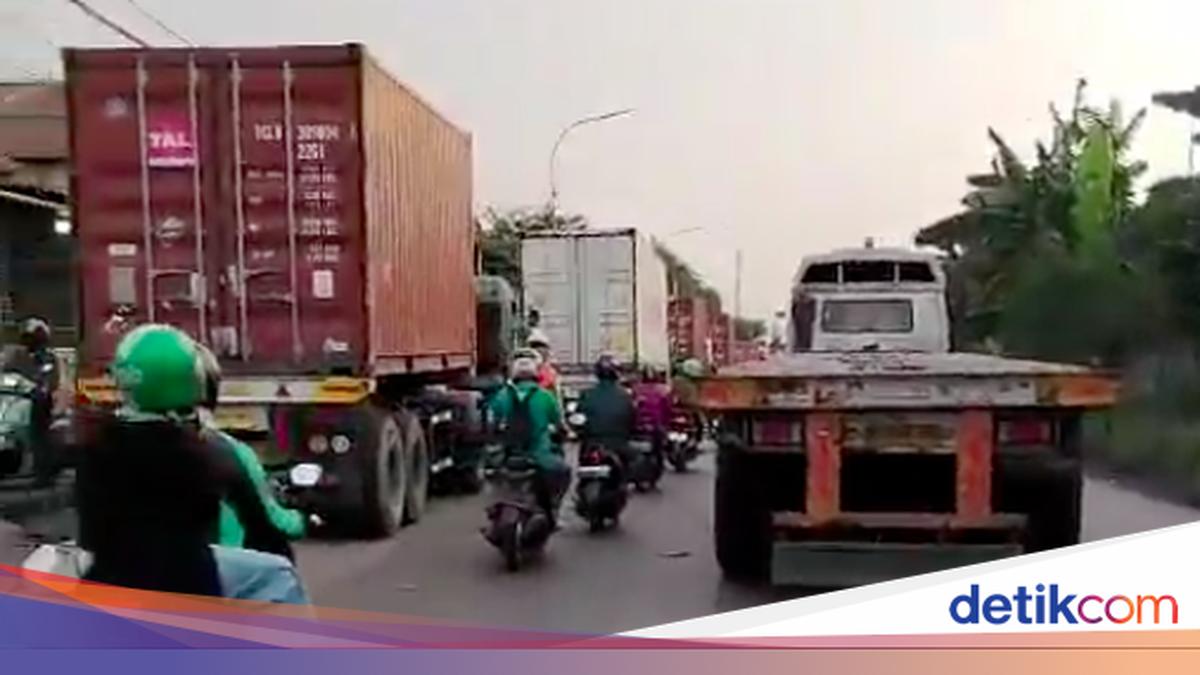
The Jakarta Transportation Agency (Dishub DKI) is closing several U-turns along Jalan Raya Bekasi to Jalan Raya Cakung-Cilincing every afternoon. The policy is part of a traffic engineering scheme to reduce vehicle congestion in the area. This measure was taken after the area experienced long traffic jams caused by queues of container trucks heading to container depots. Head of the DKI Jakarta Transportation Agency, Budi Awaluddin, stated that the traffic engineering was first implemented at around 19:00 WIB on Wednesday (22/7/2026). As a result, by approximately 19:30 WIB, traffic flow in both directions began moving again and congestion gradually eased. “Alhamdulillah, everything was resolved. Both the left and right sides are now very smooth after implementing traffic engineering by closing the U-turns in Cakung, Babek, and JGC,” Budi said in a statement on Thursday (23/7/2026). According to Budi, the traffic engineering will be implemented again today starting at 15:00 WIB. The U-turn closures will be enforced in the Cakung, Babek, and Jakarta Garden City (JGC) areas to anticipate surges in vehicle density during peak hours. “We will continue the traffic engineering starting at 15:00 WIB by closing the U-turns at these points to keep traffic flowing smoothly,” he said. In implementing this traffic engineering, Dishub DKI deployed around 75 personnel. The details include 30 personnel from the East Jakarta Transportation Sub-agency, 30 personnel from the North Jakarta Transportation Sub-agency, and 15 personnel from the provincial level, stationed at various crucial points. In addition to easing congestion, officers directed truck fleets to the Tanah Merdeka Terminal to serve as a temporary parking area if queues to the container depots occur. This step is taken to prevent vehicle queues from spilling onto the road and triggering traffic jams. Budi explained that the severe congestion was triggered by a build-up of containers at the port due to the high volume of imported goods not matched by export activity. This condition caused containers to pile up in the port area and depots, leading to long truck queues. “We hope that Pelindo’s depot capacity can be increased from 65 per cent to 75 or 80 per cent so that container build-up at the depot does not happen again,” concluded Budi.