
Discussions on Replacing 3kg LPG with CNG: Where Does the Government Stand?
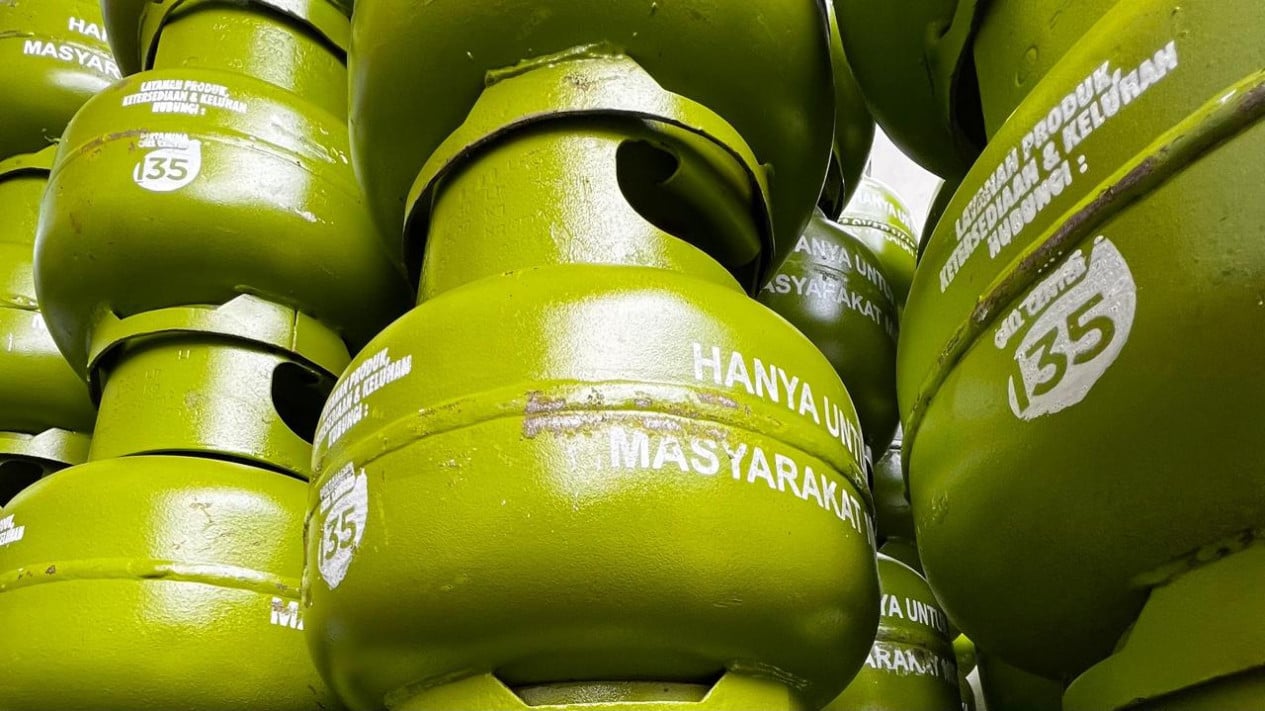
Discussions on replacing subsidised 3-kilogramme LPG with compressed natural gas (CNG) have resurfaced. The government, via the Ministry of Energy and Mineral Resources (ESDM), is now preparing various initial stages before the programme is fully implemented for the public. This step forms part of the government’s strategy to reduce dependence on LPG imports while utilising abundant domestic natural gas reserves. However, the implementation of the LPG to CNG conversion remains in its early phase and has not yet been rolled out on a massive scale. The Director General of Oil and Gas (Dirjen Migas) at the Ministry of ESDM, Laode Sulaeman, stated that the government is currently focusing on preparing safety standards for the use of 3-kilogramme CNG cylinders. In this process, ESDM is not working alone. “The safety aspect is not only from the Ministry of ESDM, but also involves the Ministry of Industry, the Ministry of Manpower, and BSN, which issues the standards,” Laode said at the Ministry of ESDM office in Jakarta on Wednesday. According to Laode, safety aspects are the primary concern before CNG is truly used as an alternative to subsidised LPG for households. The government is still compiling implementation stages, including preparing pilot projects. Laode revealed that the government is targeting the use of CNG to begin replacing 3kg LPG this year. However, its execution still requires several stages and further testing. “That’s still too far off. Because we’re just about to start, just about to do the pilot project. So all those stages take time,” Laode said. This statement also confirms that the plan to convert LPG to CNG has not yet entered full implementation. The government will still review the results of trials before determining next steps. Previously, Energy and Mineral Resources Minister Bahlil Lahadalia explained that the use of CNG is not a new technology. To date, this type of gas has been used in various sectors such as hotels, restaurants, and the Free Nutritious Meals (MBG) programme. However, CNG use has been limited to large-capacity cylinders, namely above 10 kilogrammes up to 20 kilogrammes. Therefore, the government is now attempting to develop 3-kilogramme cylinders so they can be used for household needs.