
Discussions on Naming Bus Stops After Political Parties: DKI KPU Reminds of Public Space Neutrality
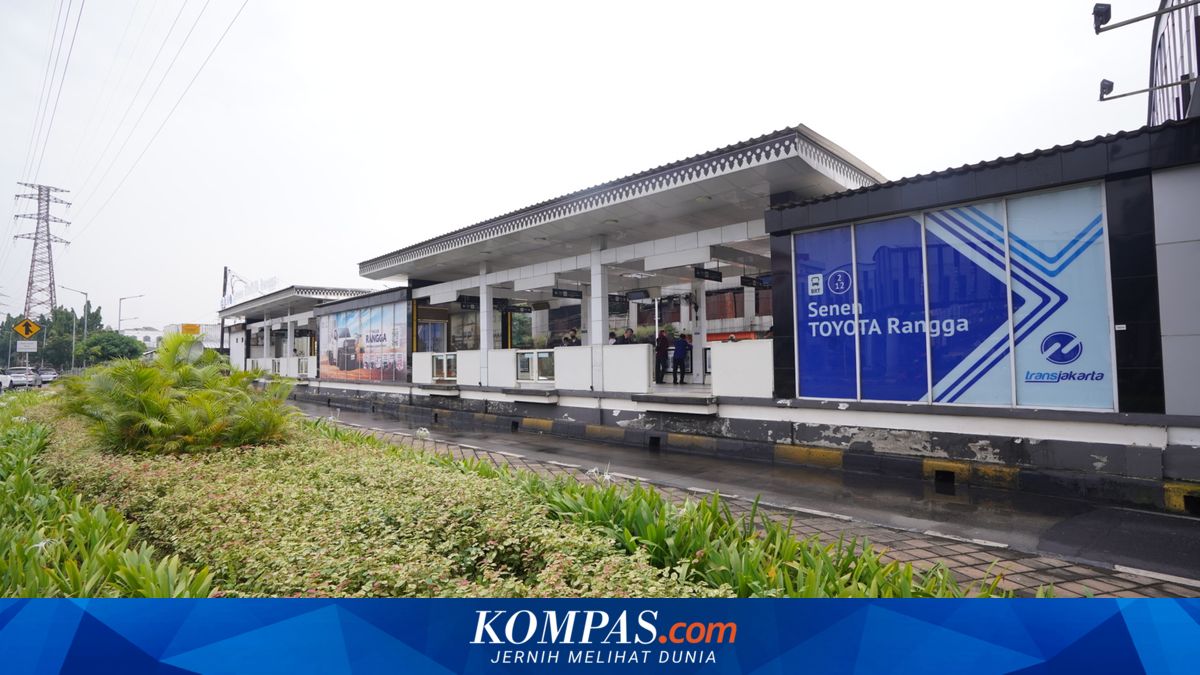
JAKARTA - Jakarta Governor Pramono Anung has opened opportunities for anyone, including political parties, to sponsor naming rights or the naming of bus stops and stations. This policy is implemented as one way to increase the Regional Original Revenue (PAD) of the capital. However, this discourse has raised questions in the public sphere: can naming bus stops by political parties constitute a form of covert campaigning? Member of the Jakarta General Elections Commission, Dody Wijaya, requests that this issue be viewed carefully from two sides, namely property regulations and public space governance. “In my opinion, this issue needs to be viewed carefully from two sides, namely the property regulation side and the public space governance side,” said Dody when contacted by Kompas.com on Tuesday (14/4/2026). Therefore, the use of naming rights by political parties cannot yet be categorically classified as campaigning in the sense of election rules. “At this stage, it cannot necessarily be assessed as a campaign violation or covert campaigning,” he said. Nevertheless, since there is no election phase yet, regulations regarding political party promotions at bus stops actually refer more to local regulations. One of them is Regional Regulation (Perda) No. 8 of 2007 on Public Order. In that regulation, particularly Article 52 paragraph (1), it is stated that the installation of symbols, emblems, flags, banners, and other attributes on public facilities including bus stops is basically prohibited. However, in paragraph (2), there is an exception if the installation is carried out after obtaining permission from the governor or designated official, with strict supervision. “Article 52 paragraph (2) opens the possibility of installation after obtaining permission from the Governor or designated official. The explanation of the article also emphasizes that permission is given on a limited basis in certain areas with strict supervision,” he said. According to him, bus stops are public service facilities that should remain neutral.