
Discussing Ali Sadikin Through an Archival Exhibition
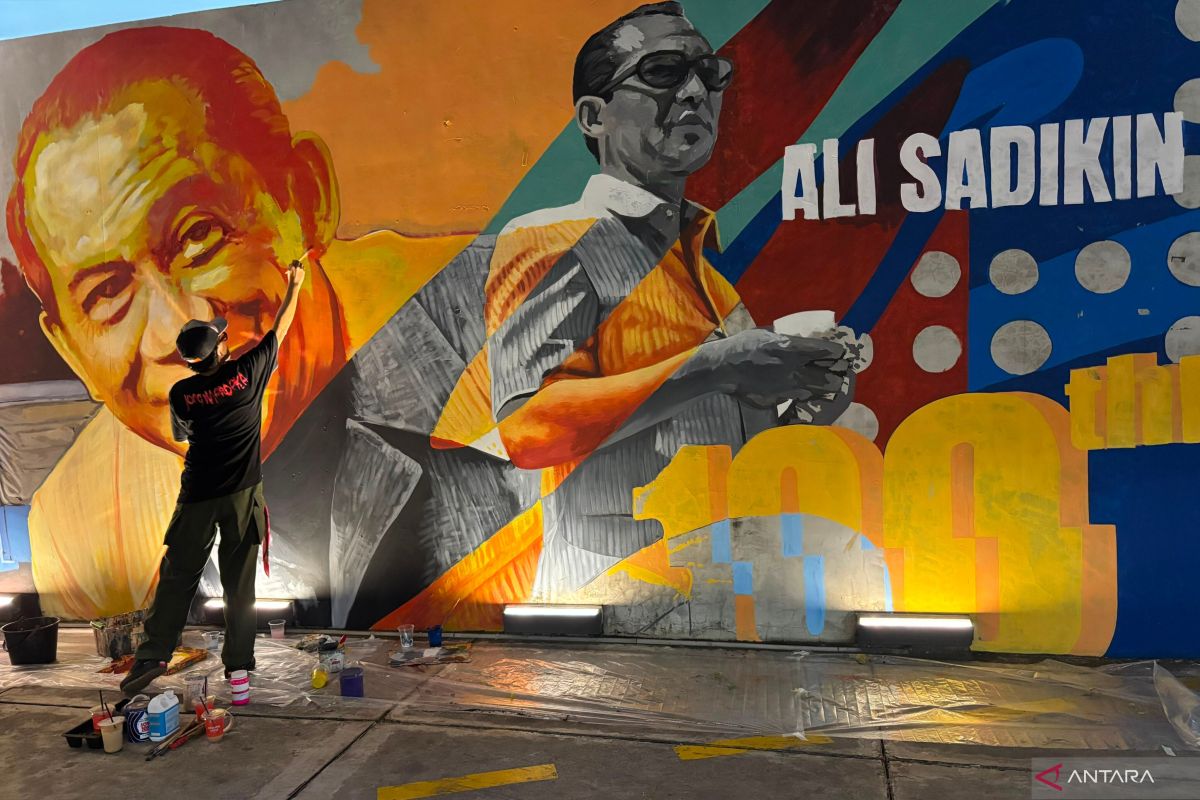
Jakarta (ANTARA) - Discussing Bang Ali, the affectionate nickname for Ali Sadikin who served as Governor of Jakarta from 1966 to 1977, means discussing his commitment to using his authority to create policies that supported the development of art and culture. This view was presented by researchers Panca Lintang Dyah Paramitha and Ganda Swarna at the 100 Years of Ali Sadikin archival exhibition titled “Pasca Gita (Jaya): Maecenas and Artistic Independence” at the Oesman Effendy Gallery, Taman Ismail Marzuki. The term Maecenas originates from French, referring to a philanthropist or patron of the arts who provides support to artists. Drawing on Umar Kayam’s thoughts on “Maecenas and the Arts Council Network,” Ali Sadikin’s role is seen as embodying this figure. He not only disbursed funds and provided facilities but also placed trust in artists through policies enacted from his position as governor. However, the concept of a Maecenas is often viewed as being attached to a ruler’s desire to be remembered as a benefactor who contributed to the development of art and culture. Ali Sadikin was inaugurated directly by President Soekarno as Governor of Jakarta on 28 April 1966 at the State Palace. At the time, he was also a staff member for the Deputy Prime Minister for Economic, Financial, and Development Affairs and was considered to have the capacity to lead the capital. During his tenure, Ali built Jakarta as a city of culture through collaboration between the government and artists. One of his important steps was granting relatively broad autonomy to the Jakarta Arts Council (DKJ), allowing the institution, composed of cross-disciplinary artists, to organise various programmes ranging from traditional and modern arts to local, national, and international scale activities, as well as coaching for young and professional artists. “I firmly state that officials must not interfere in the affairs of other cultural services, nor the affairs of the DKJ. The DKJ’s task is to provide advice and opinions to the governor, whether requested or not, in fostering culture in Jakarta,” Ali Sadikin said in the book Bang Ali: demi Jakarta 1966–1977. Another important legacy of Ali Sadikin is the establishment of Taman Ismail Marzuki (TIM) in 1968, which to this day remains a space for the growth of art, culture, and creativity in Jakarta. According to former DKI Jakarta Governor Fauzi Bowo, who served from 2007 to 2012, the idea for TIM began with a simple question Ali posed: “Artists used to gather in Senen. Where are they now?” Fauzi Bowo, familiarly known as Foke, replied that the artists no longer had a place to gather. From that concern, the idea of creating a space for the arts ecosystem was born.