
Discovery of New Species Signals Need for Continued Forest Conservation
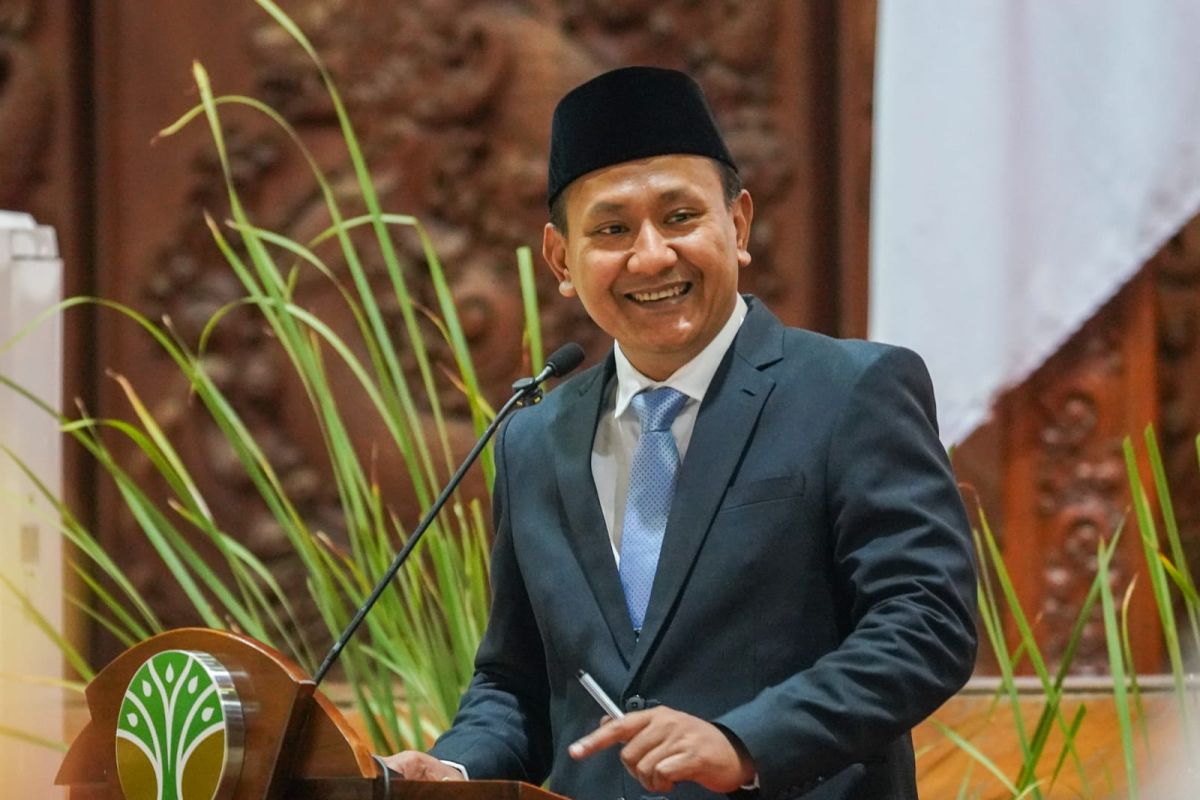
The discovery of new plant species in Indonesia is not only a scientific achievement but also a crucial warning to strengthen efforts to protect forests and national biodiversity. Deputy Minister of Forestry Rohmat Marzuki said recent expeditions in Papua and West Kalimantan have uncovered several new plant species. He urged continued expansion of exploration activities to prevent Indonesia’s biological potential from being lost before it can be studied. ‘Exploration activities must continue to ensure we do not lose these vital resources,’ he said on Monday, 25 May. Rohmat stated Indonesia’s position as one of the world’s most biodiverse nations is a strategic asset, not only for environmental preservation but also for ecological resilience, food security, health, culture, and public welfare. He emphasised that each new species holds significant ecological value, scientific information, and potential for sustainable use. ‘Behind every new species lies ecological value, scientific knowledge, sustainable use potential, and a responsibility to ensure it does not disappear before we understand its role in the ecosystem,’ Rohmat said. He also highlighted the importance of collaboration between the Ministry of Forestry, BRIN, and universities in managing biodiversity. He stressed that researchers and academics are vital for strengthening forest management and conservation capabilities. ‘BRIN and universities are scientific authorities that play a crucial role in supporting the Ministry of Forestry as the biodiversity management authority,’ he said. Rohmat noted conservation challenges are growing more complex, including land cover changes, forest fires, invasive species, and climate change impacts. Research findings must therefore be translated into policy and on-the-ground actions. Beyond conservation, he highlighted significant opportunities for bioprospecting in Indonesia. Collaborations between the Ministry of Forestry and BRIN have yielded innovations such as cosmetic materials from Tridemia hirta in Mount Merapi National Park and anti-cancer research based on fungi from Mount Rinjani National Park. Rohmat proposed three priority agendas: developing a valid Indonesian flora database to support policy, strengthening the bridge between research and area management, and enhancing public education on national flora wealth. ‘People will be more motivated to protect what they know and understand the value of,’ he said. In line with this, I Gede Wenten, Special Staff to the Minister of Higher Education, Science, and Technology for Research and Development and a member of BRIN’s Steering Council, said new species discoveries must form the foundation for building a knowledge-based national bioeconomy. He added that Indonesia’s biodiversity wealth must be accompanied by scientific expertise to add value for the nation. ‘A nation that merely possesses biodiversity will be a resource owner, but one that masters knowledge of its biodiversity will own the future,’ Wenten said.