
Discovering the Distinctive Heritage and Local Wisdom of Takpala Traditional Village in Alor, East Nusa Tenggara
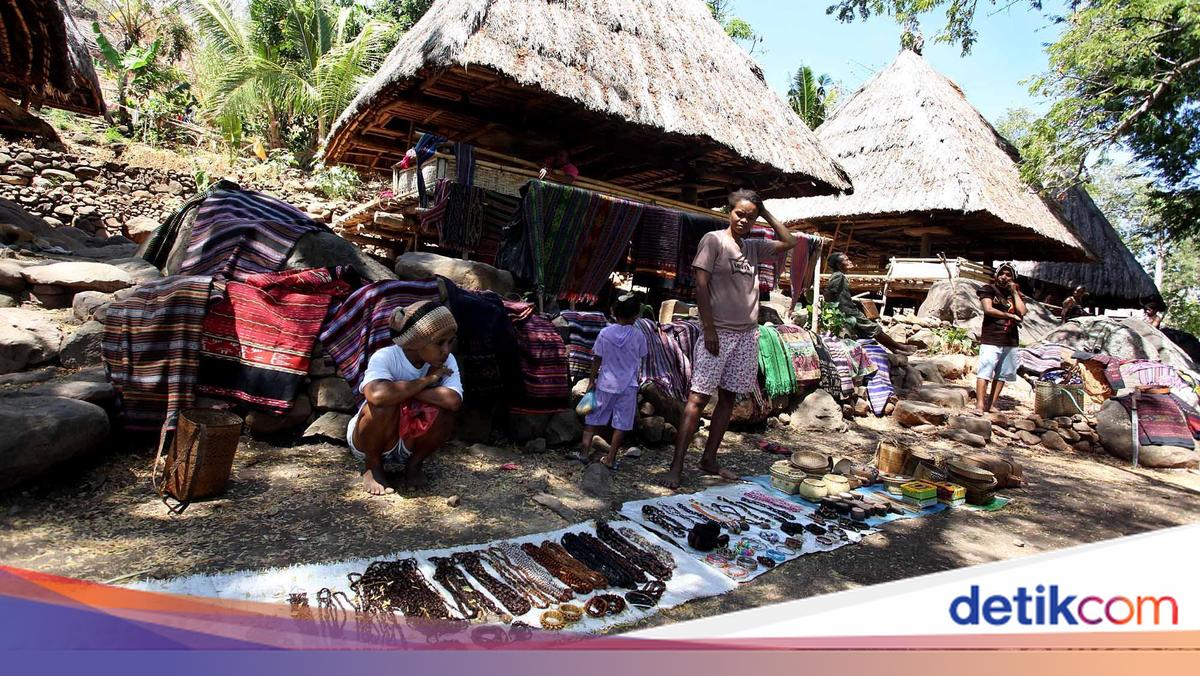
East Nusa Tenggara (NTT) is known not only for its captivating natural beauty. The province also holds a wealth of culture, customs and local wisdom, carefully preserved as an ancestral heritage.
One example can be found in the traditional settlement of Takpala Traditional Village in Alor Regency, NTT. The area has also been developed as one of Alor’s leading cultural tourism destinations.
The Alor Regency Government designated Takpala as one of the region’s tourism icons in 1883. The village is inhabited by the Abui people, whose way of life remains strongly shaped by ancestral customs and traditions passed down through generations.
The people of Takpala have occupied the area since around the 1940s. Under their customary structure, they are divided into three clans: Kapitang, Aweni and Marang, each with its own role.
The Kapitang serve as the warrior clan. The Aweni are the village leaders and are classified as the chiefly clan. The Marang act as delegates. Some accounts say they organise ceremonies or welcome visitors from outside the village.
Takpala residents speak the Abui language. Abui is one of two regional groups in Alor; the other is known as Habang. More specifically, Abui refers to people who live in the highlands, while Habang refers to those who live along the coast.
The name Takpala is formed from two words: “Tak”, meaning boundary, and “Pala”, meaning wood. Together, they are understood to mean “wooden boundary”.
The traditional village began to gain wider recognition in 1973, when a Dutch visitor introduced the way of life of the Takpala people through photographs published in a calendar. The images subsequently drew the attention of international tourists.
Local Wisdom in Takpala Traditional Village
On entering Takpala Traditional Village, visitors will see rows of traditional houses with pyramid-like shapes and thatched roofs. These houses are known as lapo and are built from natural materials such as wood, bamboo and grass.
The distinctive features of lapo houses are not limited to their exterior; their internal layout is also notable. According to detikTravel, each lapo house has four floors.
The first floor is used as a reception area, while the second serves as a kitchen, dining area and bedroom. The third floor is used to store produce from the fields. The fourth is reserved for valuables.
Another local tradition is the tifoital ceremony, in which people seek blessings before entering the forest or going hunting. The ceremony is led by the clan chief and held at a designated offering site called a Mesbah, where a goat or another animal is slaughtered. The animal’s blood is then placed on the mesbah.
The people of Takpala are known for their warmth and openness towards tourists and other visitors to their settlement. Tourist groups are usually welcomed with the Lego-lego dance.
The dance is performed by a group moving in a circle around a moko, an object resembling a drum and made of iron, which holds important social value in local life. Visitors wishing to see the dance can notify the local Tourism Office of their arrival in advance.
How to Get to Takpala Traditional Village
Administratively, the village is located in Lembur Barat Village, Alor Tengah District, Alor Regency. Takpala Traditional Village can be reached by motorbike or private vehicle.
Visitors travelling by public transport can start at Kalabahi Terminal, in Alor’s capital, and take a bus bound for Bukapiting. They can get off in the Takalelang area and continue on foot for about 15 minutes to the traditional village.
On arrival, visitors will see a sign reading “Welcome to Takpala Traditional Village” at the start of the uphill road leading to the settlement. The village has around 12 traditional houses, a defining feature of the local community’s architecture.
Source: jawawa.id (https://jawawa.id/newsitem/discovering-the-distinctive-heritage-and-local-wisdom-of-takpala-traditional-village-in-alor-east-nusa-1794009026)
Originally published by detikBali (https://www.detik.com/bali/nusra/d-8741986/menelusuri-keunikan-dan-kearifan-lokal-desa-adat-takpala-di-alor-ntt), translated from Indonesian