
Discovering Balinese Legong Dance: Origins, Distinctive Features, Meaning and Appeal
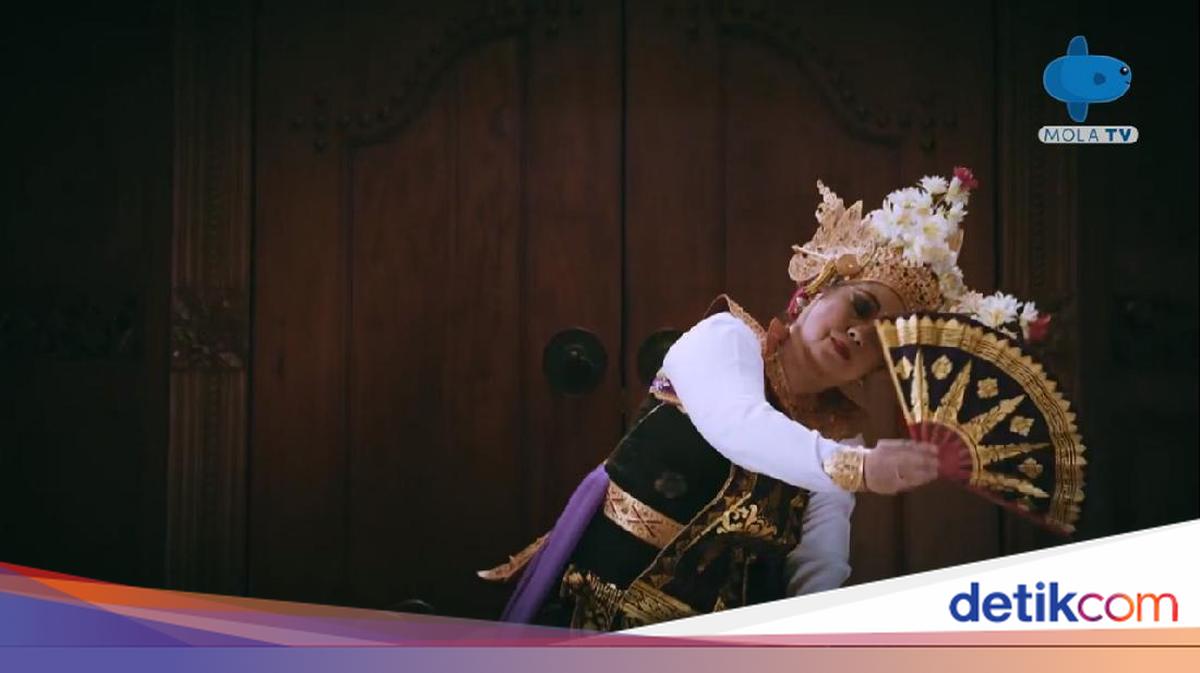
Balinese Legong is known for its graceful movements and sharp eye expressions. Like Balinese dances in general, it is accompanied by gamelan music. But this traditional dance is more than a spectacle: it carries knowledge of history, stories, music, clothing and the cultural values of Balinese society.
The name Legong is made up of the words ‘leg’, meaning flexible or graceful, and ‘gong’, referring to the gamelan. It describes the close relationship between the dancers’ movements and the flowing rhythm of the accompanying music.
Origins of Legong
Legong began to develop in Balinese royal courts around the 19th century. One widely known account of its origins comes from the Kingdom of Sukawati.
King I Dewa Agung Made Karna, who ruled Sukawati from 1775 to 1825, is said to have had a vision while meditating at Pura Jogan Agung. He saw celestial maidens dancing to gamelan music, and this story is regarded as one of the accounts of Legong’s origins.
Legong was initially performed in palace compounds and served as entertainment for the royal court. Over time, the dance was passed on to the wider community and developed in several villages, including Sukawati, Peliatan, Saba and Bedulu. Its journey from the royal court to the villages gave rise to different styles and variations in its stories.
Movement and musical accompaniment
One of Legong’s defining features is its measured movements, closely connected to the gamelan accompaniment. Dancers use their hands, heads, bodies and eyes to establish character and convey the story.
In Legong Lasem, for example, two dancers portray Legong characters, while a third plays Condong, who opens the performance. A fan is a distinctive prop for Legong dancers, whereas Condong dances generally do not use one.
The dancers’ brightly coloured costumes and headdresses add to the visual impact on stage. Legong is usually accompanied by Semar Pagulingan or Pelegongan gamelan, although Gong Kebyar is used in some performances today.
Meaning and stories
Legong tells stories through a combination of expression, choreography, music and the dancers’ roles. One popular piece is Legong Lasem, which draws on a story from the Panji tales about Prabu Lasem and Diah Rangkesari.
For audiences, understanding the story and elements of the performance can provide an entry point into Balinese cultural knowledge, from royal court art traditions and different forms of gamelan accompaniment to costumes and the ways stories are told through dance.
The meaning of each performance can vary according to the story and local traditions. Legong is therefore better understood as a group of dances with different versions, rather than as a single story.
A cultural tourism attraction
In the past, Legong was performed only at temples and palace compounds on particular occasions. Today, it also features in arts and tourism performances, making it accessible to wider audiences. Legong Lasem is one version often presented for tourists.
For visitors, Legong’s appeal lies in the dance movements, gamelan sounds, costumes and story, all brought together in one performance. But its value goes beyond entertainment: performances also help introduce visitors to traditional arts and Balinese cultural knowledge.
Source: jawawa.id (https://jawawa.id/newsitem/discovering-balinese-legong-dance-origins-distinctive-features-meaning-and-appeal-1791953427)
Originally published by detikBali (https://www.detik.com/bali/budaya/d-8706111/mengenal-tari-legong-bali-asal-usul-ciri-khas-makna-dan-daya-tariknya), translated from Indonesian