
Disaster Strikes India as Cyclone Murasu Forces 30,000 People to Evacuate
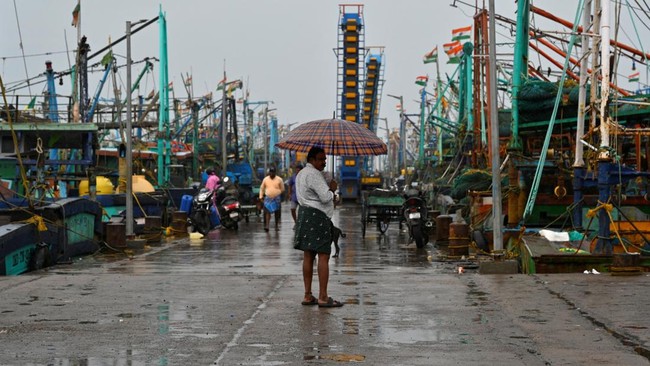
Cyclone Murasu battered India’s eastern coast on Tuesday (3 November 2026), prompting local authorities to evacuate thousands of people from threatened areas. It was the second cyclone to hit the region within a week.
The India Meteorological Department (IMD) said Murasu made landfall in Andhra Pradesh, in south-eastern India, between 3.30am and 5.30am local time.
The storm brought winds of 100–110 kilometres per hour, with gusts reaching 120km/h.
There have so far been no reports of deaths or injuries. However, a number of trees and electricity poles were reported to have fallen in the strong winds.
Prakhar Jain, managing director of the Andhra Pradesh State Disaster Management Authority, said the damage occurred as the storm passed through coastal areas.
Local authorities began evacuating thousands of residents on Monday, Reuters reported. The government also prepared to move around 30,000 people to safer locations in Andhra Pradesh, which lies in the cyclone’s path.
Murasu formed over the Bay of Bengal, an area known as a breeding ground for tropical cyclones. The waters have also spawned several deadly storms that have struck India’s eastern coast.
The IMD forecast that Andhra Pradesh and Tamil Nadu, the state to its south, would be the worst-affected areas.
Before Murasu, Cyclone Arnab hit Andhra Pradesh last Wednesday. The IMD classified it as a very severe cyclone; it killed at least six people.
Source: jawawa.id (https://jawawa.id/newsitem/disaster-strikes-india-as-cyclone-murasu-forces-30-000-people-to-evacuate-1793695868)
Originally published by CNBC Indonesia (https://www.cnbcindonesia.com/news/20261103143103-4-781911/petaka-tiba-di-india-badai-siklon-murasu-paksa-30000-orang-mengungsi), translated from Indonesian