
Disaster Strikes India as 180,000 People Evacuated
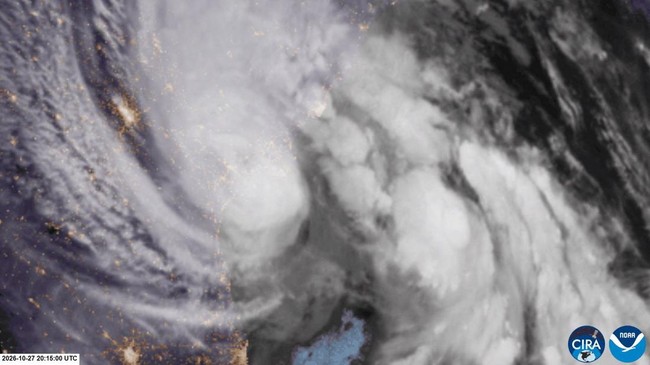
Cyclone Arnab struck India’s eastern coast on Wednesday (28 October 2026), bringing down trees and electricity poles and forcing thousands of people to seek shelter. Local authorities said more than 180,000 people had been evacuated from the states of Andhra Pradesh and Odisha before the storm arrived.
As of Wednesday afternoon, Reuters reported, no deaths had been reported in either state. However, the cyclone had disrupted electricity supplies and felled many trees. Some schools were closed, while several train services and flights were cancelled.
The India Meteorological Department classified Arnab as a very severe cyclonic storm, the third-highest category on its scale. The cyclone began making landfall on the Andhra Pradesh coast on Wednesday morning, before its centre moved fully inland.
Television footage showed trees blocking roads. Workers in rain protection gear were seen clearing branches and leaves to reopen access routes.
Nagi, a resident of Kakinada district in Andhra Pradesh, which lay in the storm’s path, described residents’ anxiety as floodwaters began threatening their homes.
“No one knows whose house the water will enter next, or whose house will be submerged,” Nagi said.
Nagi said the storm had damaged homes and destroyed residents’ belongings.
“Trees have fallen, houses have been damaged, and all our belongings, including our books, have been destroyed,” said Nagi, who did not give a surname.
The government had previously warned fishermen along the coast not to go to sea. The India Meteorological Department also forecast that the cyclone could damage crops, thatched-roof homes and communications networks.
Wind speeds were expected to reach 125–135 kilometres per hour, with gusts of up to 150 kilometres per hour. A storm surge of 1 to 1.5 metres above normal tide levels could also inundate low-lying areas of Andhra Pradesh.
India’s Civil Aviation Ministry said operations at three airports in Andhra Pradesh had been temporarily suspended because of the weather.
The storm’s effects were also felt in neighbouring Nepal. Authorities there suspended the issuance of permits for climbing in high-altitude areas for three days because of the risk of heavy rain and snowstorms.
Gita Ghimire, an information officer at Nepal’s Department of Immigration, told Reuters the measure was taken in anticipation of dangerous weather in mountainous areas.
The temporary suspension came as Nepal entered the peak climbing season, when around 750 climbers receive permits each day.
On Tuesday, Nepal’s government warned tourists not to enter high-altitude areas. Cyclone Arnab was feared to bring heavy rain, snowstorms and avalanches to the Himalayan region from Thursday night through Saturday.
Arnab formed in the Bay of Bengal, one of the main areas where tropical cyclones develop and often trigger deadly storms along India’s eastern coast.
India has a long history of facing similar disasters. In October 1999, a super-cyclone struck Odisha and killed nearly 10,000 people, making it one of the deadliest natural disasters in the country’s history.
India has since developed early-warning systems and various preventive measures over the years to reduce fatalities when major storms hit.