
Disappointed by Lack of Help Against Iran, Trump Threatens to Cut NATO Protection Funding
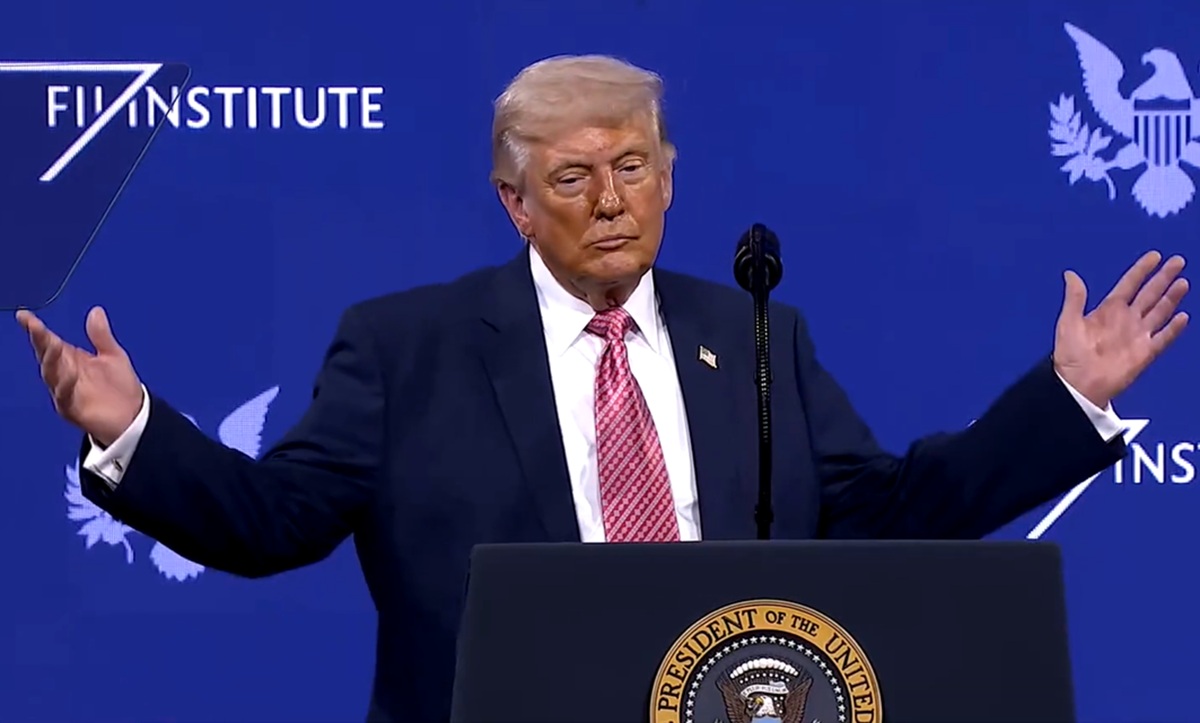
US President Donald Trump has issued a serious threat to cut military spending for the protection of NATO member countries. This move comes after several European nations rejected his demands to assist in the US military operation against Iran.
In his statement on Friday local time, Trump expressed his disappointment with the alliance’s stance, which he views as absent when needed.
“I think a big mistake occurred when NATO wasn’t there,” Trump said.
He added that this budget reduction would save a significant amount of money for the United States. “This will generate a lot of money for the United States because we spend hundreds of billions of dollars a year on NATO to protect them. We will always be there for them, but now, based on their actions, I think we don’t have to do it anymore, do we?” he emphasised.
This tension arose when President Trump requested allied countries to deploy their warships to help reopen the blockaded Strait of Hormuz. Trump framed the demand as a “loyalty test” for nations that have long relied on US security protection.
According to Trump, sending naval forces should be a “very small effort” for the allies. “Why should we be there for them if they are not there for us?” he added.
Amid the budget dispute with allies, US military forces in the Middle East are reportedly set to be further strengthened. The aircraft carrier USS George H.W. Bush is expected to be deployed soon to the area of responsibility of the US Central Command, which covers the conflict zone with Iran.
However, it remains unclear whether this aircraft carrier will join or replace the two other US aircraft carriers that have already been operating in the region for the past few weeks.
Internal reports indicate that President Trump is considering various military options that could potentially increase the scale of the conflict. At the same time, he continues to emphasise that he remains committed to diplomatic talks with Tehran. To date, the status and real developments of that diplomatic channel have yet to see any breakthrough.
This contradictory stance between massive military build-up preparations and claims of diplomatic channels has drawn sharp scrutiny, especially as US relations with its traditional NATO partners are at their lowest point.