
Disagreement Between MUI and Ministry of Hajj on Hajj Sacrifice: In the Holy Land vs Indonesia
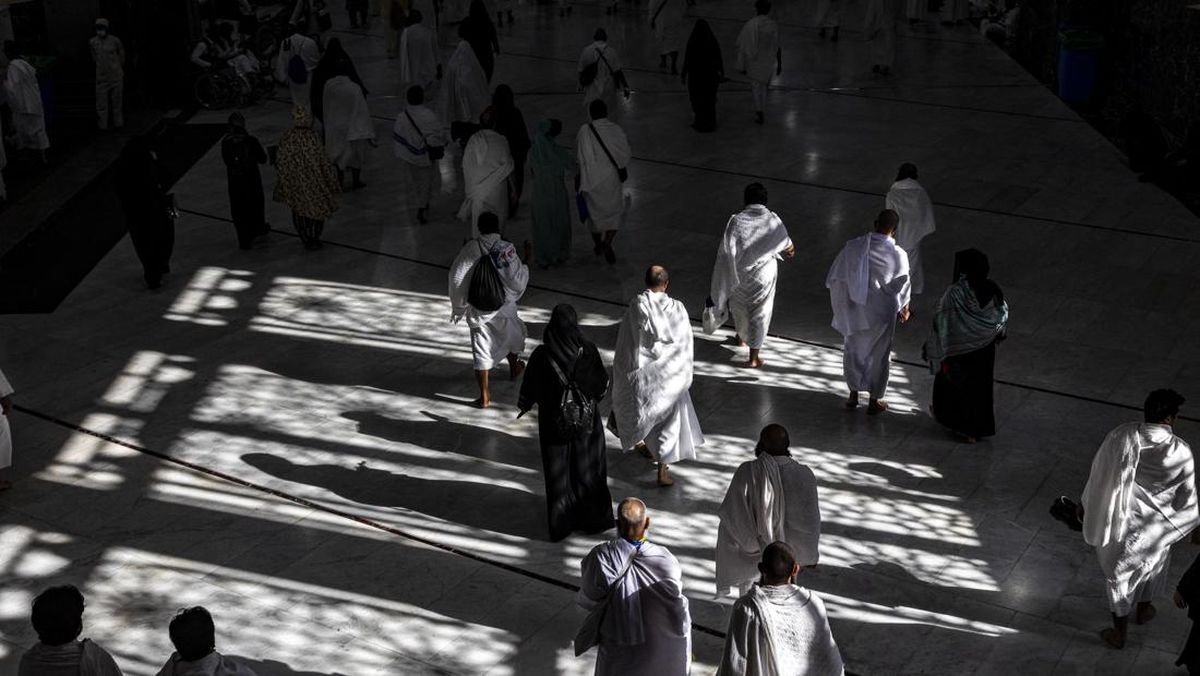
The Indonesian Ulema Council (MUI) has emphasised that the slaughter of sacrificial animals (dam) for Hajj pilgrims performing tamattu’ and qiran must be carried out in the Haram area. MUI states that slaughtering dam outside this territory, including in Indonesia, is invalid under fiqh principles.
This reaffirmation comes in response to a circular from the Ministry of Hajj and Umrah that opens the option for dam slaughter to be performed in Indonesia.
Deputy Secretary General of MUI for Fatwas, KH Aminuddin Yakub, stated that this provision refers to MUI fatwas and the majority opinion of scholars.
“According to the fatwa issued by MUI, the dam slaughter, particularly for Indonesian Hajj pilgrims performing tamattu’ Hajj, must be done in the Haram area,” said Aminuddin in his statement on MUI’s official website, Tuesday (12/5).
He explained that the issue of dam falls under ta’abbudi worship, which must follow Sharia stipulations as exemplified in the Prophet’s hadiths.
According to him, pilgrims who slaughter dam in Indonesia still have a valid Hajj if the pillars and conditions of Hajj are fulfilled. However, the execution of the dam is deemed not in accordance with Sharia provisions.
MUI also reminds pilgrims who cannot afford to slaughter dam that they can replace it with fasting for 10 days, namely three days in the Haram area and seven days after returning to Indonesia.
Additionally, MUI urges the government to ensure dam execution in accordance with Sharia, revise regulations that open the option for slaughter in Indonesia, and ensure dam payments are made through official Saudi Arabian institutions.
In a tadzkirah letter sent to the Minister of Hajj and Umrah Mochamad Irfan Yusuf, MUI reiterates the content of MUI Fatwa No. 41 of 2011 and MUI Fatwa No. 52 of 2014.
In general, these fatwas regulate that dam must consist of slaughtering a goat in the Haram area. Collective dam payments are permitted through a deposit and representative mechanism, while the distribution of meat from the slaughter may be channelled outside the Haram area if deemed more beneficial.
On the other hand, the Indonesian Ministry of Hajj and Umrah assures that it will not revoke the circular regarding the option of dam slaughter in Indonesia. Deputy Minister of Hajj and Umrah Dahnil Anzar Simanjuntak stated that the government will instead strengthen that regulation.
“We will instead strengthen that circular, not revoke it,” said Dahnil on Thursday (14/5), as reported by detikhikmah.
According to Dahnil, the government respects the differences in fiqh views in society regarding the location of dam slaughter.
He stated that pilgrims who believe dam must be slaughtered in the Haram area are welcome to follow that view through the official Saudi institution, Adahi.
Meanwhile, pilgrims who follow other views, including those permitting slaughter in the country, are also welcome to practise their respective convictions.
“The government through the Ministry of Hajj respects and provides the widest possible space for differences in fiqh and convictions. The government is not in a position to impose, but rather to provide flexibility in the implementation of Hajj fiqh,” said Dahnil.
Source: jawawa.id (https://jawawa.id/newsitem/disagreement-between-mui-and-ministry-of-hajj-on-hajj-sacrifice-in-the-holy-land-vs-indonesia-1778823727)
Originally published by CNN Indonesia (https://www.cnnindonesia.com/nasional/20260515091708-20-1358755/mui-minta-dam-haji-tetap-di-tanah-suci-kemenhaj-enggan-cabut-aturan), translated from Indonesian