
Disability tech: A massive opportunity within the inclusive economy
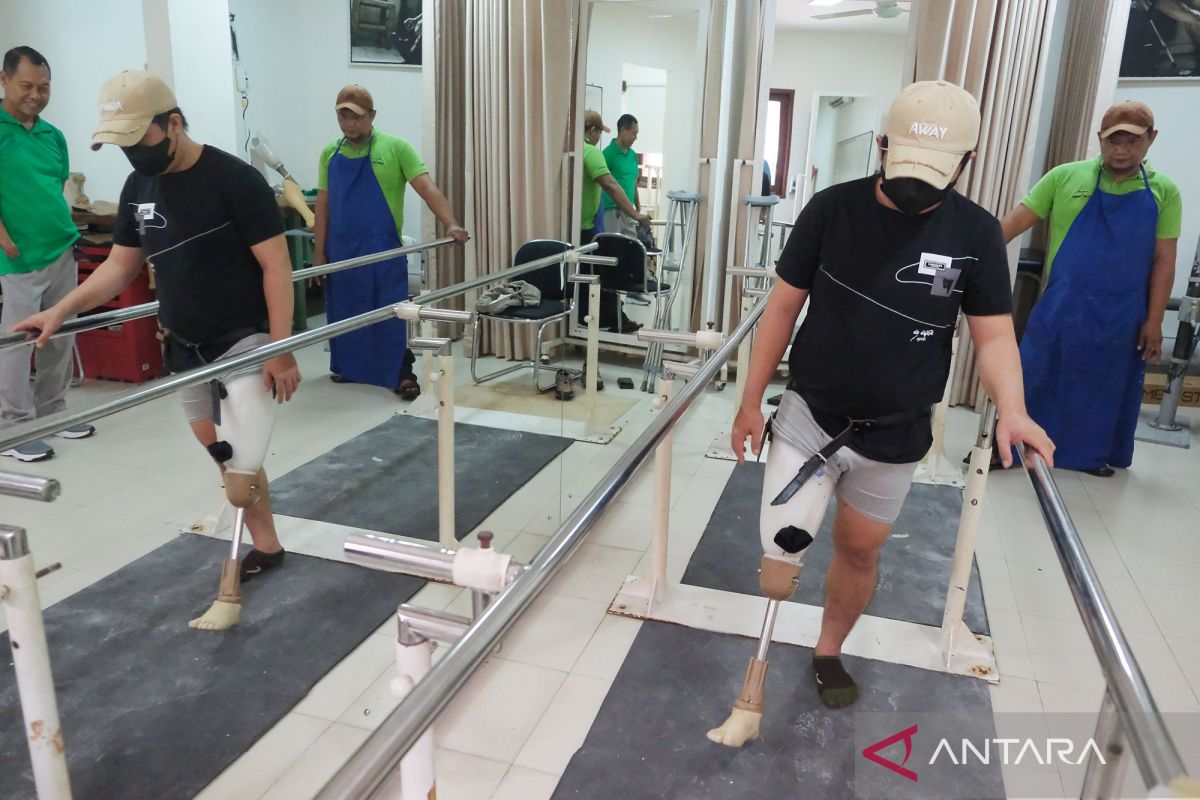
While the world races to find the next AI startup, the true opportunity may lie in technology that helps billions of people live more independently, productively, and connectedly.
Jakarta (ANTARA) - Amidst the euphoria of investment in artificial intelligence (AI), data centres, and fintech, there is one sector that has relatively escaped the attention of Indonesian investors: disability technology, or disability tech.
Despite being often perceived as a social and philanthropic issue, this sector is growing into a multi-billion dollar industry that combines technological innovation, social impact, and business opportunities within a highly promising ecosystem.
For a long time, many have viewed technology for people with disabilities as assistive tools identical to wheelchairs, canes, or hearing aids. This view is not entirely incorrect, but it has fallen far behind current developments. The digital revolution and advancements in AI have transformed the face of disability tech into one of the most dynamic areas of innovation in the world.
This change is occurring as the global need for assistive technology continues to rise.
Data from the World Health Organization (WHO) shows that approximately 1.3 billion people, or nearly 16 per cent of the world’s population, live with various forms of significant disability. This means one in six people globally has the potential to be a user of accessibility technology. Furthermore, the WHO estimates that more than 2.5 billion people require assistive technology today, a figure that could increase to 3.5 billion by 2050 due to an ageing population and the rising prevalence of chronic diseases.
These figures indicate that the disability tech market is not as narrow as previously imagined. Users include not only those with permanent disabilities but also the elderly, rehabilitation patients, accident victims, and individuals experiencing temporary functional limitations. In other words, disability tech sits at the intersection of the healthcare sector, digital technology, and global demographic shifts.
Advancements in AI are acting as a catalyst for this transformation. Where assistive technology was once primarily mechanical, various intelligent solutions are now emerging.
Sensor-based smart prosthetics allow users to control movements more naturally. Modern hearing aids can filter noise using AI algorithms. Smart glasses can assist the visually impaired in recognising objects and their surroundings. Speech-to-text technology enables real-time translation of conversations into text, while exoskeletons assist in the rehabilitation process for patients with mobility impairments.
Indeed, several innovations that once existed only in science fiction are now becoming reality. Brain-computer interfaces allow humans to control devices via brain signals. Such technologies not only help improve quality of life but also provide broader access to education, employment, and economic activities.
The role of AI in disability tech is increasingly evident through the success story of Be My Eyes, a Danish startup that utilises GPT technology to help visually impaired individuals understand their surroundings. Through a mobile phone camera, users can obtain detailed descriptions of objects, spaces, documents, or activities in front of them.
Interestingly, AI does not just describe what is visible, but also provides context, recommendations, and real-time navigation assistance. Such innovations demonstrate that AI is not merely replacing human labour, but is also creating new opportunities for groups that have historically faced barriers in daily life.
Globally, investors are beginning to view disability tech as a market of the future. Various industry reports for 2025 show that the market value of disability devices and technology has exceeded tens of billions of US dollars and continues to grow annually.
The driver is not only technological but also the changing global demographic structure. Many countries are now entering an era of an ageing society, where the proportion of the elderly population is increasing significantly. This condition automatically expands the need for various assistive technologies that support mobility, communication, health, and daily activities.