
Directorate General of Immigration strengthens overseas presence to combat human trafficking
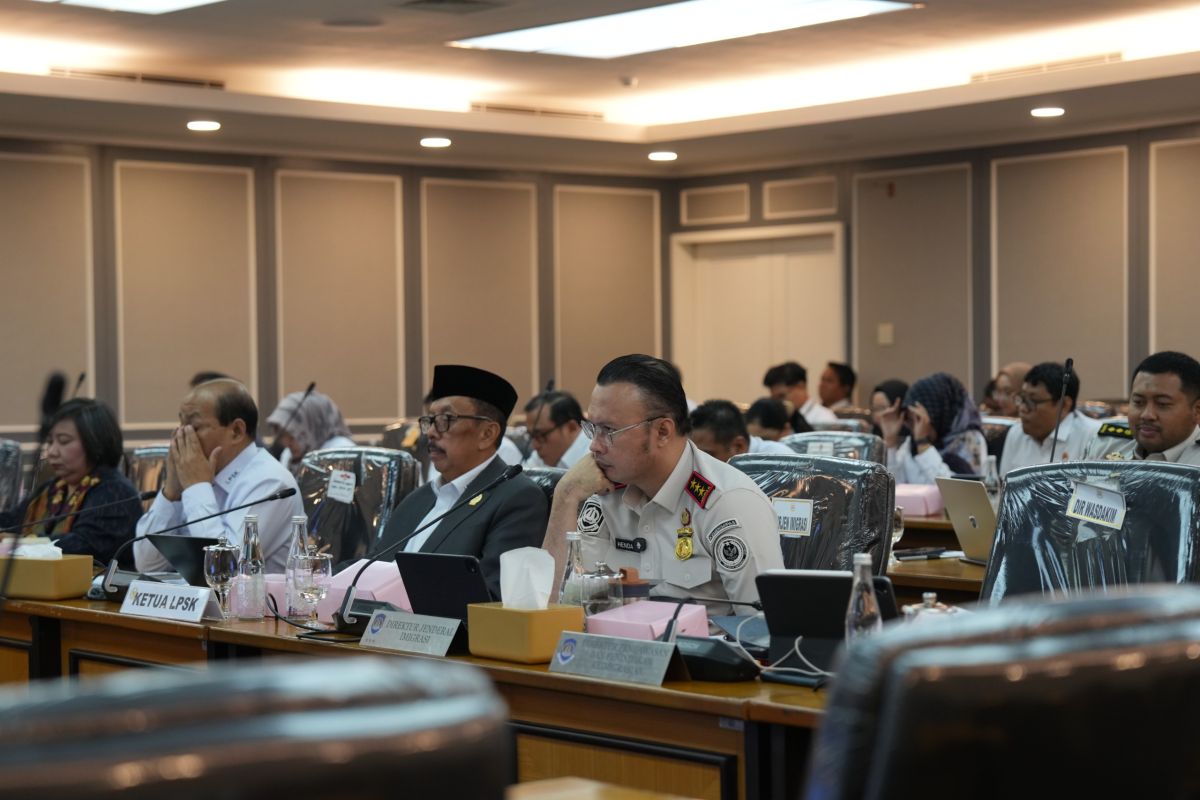
The Directorate General of Immigration of the Ministry of Immigration and Corrections has strengthened the presence of immigration functions abroad to prevent and address human trafficking (TPPO).
This strengthening is part of the anti-human trafficking action plan developed and implemented by the Directorate General of Immigration starting in 2026.
‘Immigration functions are no longer solely focused on document services but have also become an early detection system through monitoring the presence of Indonesian citizens (WNIs) and promoting collaboration with relevant stakeholders,’ said Directorate General of Immigration Director General Hendarsam Marantoko during a hearing with Commission XIII of the House of Representatives (DPR RI) in Senayan, Jakarta, monitored via TV Parlemen on Monday.
He explained that the Directorate General of Immigration also validates residence permits during passport renewals to ensure WNIs are legally residing abroad and protected from immigration violations or human trafficking targets.
On the protection front, Hendarsam said the issuance of Emergency Travel Document (SPLP) is a crucial instrument to assist WNIs in distress to return to Indonesia.
He stated that between 2023 and 2025, the Directorate General of Immigration issued over 27,000 SPLPs, the majority from Indonesian diplomatic missions in Malaysia.
In addition to strengthening overseas immigration functions, the Directorate General of Immigration is also enhancing human resources, cooperation ecosystems, and regulations to bolster prevention and handling of human trafficking.
Regarding the ecosystem, Hendarsam added that the Directorate General of Immigration will strengthen collaboration and data exchange with relevant ministries or agencies, establish safe migration centres in vulnerable villages, and form joint teams with local governments to enhance field monitoring and response.
‘On the regulatory side, we are pushing for enhanced immigration powers in the Human Trafficking Bill to give officers stronger legal grounds for profiling, suspending passport issuance, and delaying departures for WNIs suspected of being involved in human trafficking,’ he said.
Hendarsam added that human trafficking is not merely a routine immigration violation but a serious crime against the nation’s future, targeting Indonesian citizens.
Therefore, immigration authorities must be given the space and capacity to act more swiftly, proactively, and in a more integrated manner moving forward.
‘We believe handling human trafficking requires collaboration and synergy from all parties. We cannot act alone. Therefore, we thank all support given and remain open to input, suggestions, and guidance from the leadership and members of Commission III of the DPR RI,’ Hendarsam said.
‘The Directorate General of Immigration is committed to providing optimal immigration services and oversight to benefit the public, in line with our motto “Immigration for the People”,’ he added.