
Directorate General of Immigration Renames 32 Immigration Offices to Optimise Services
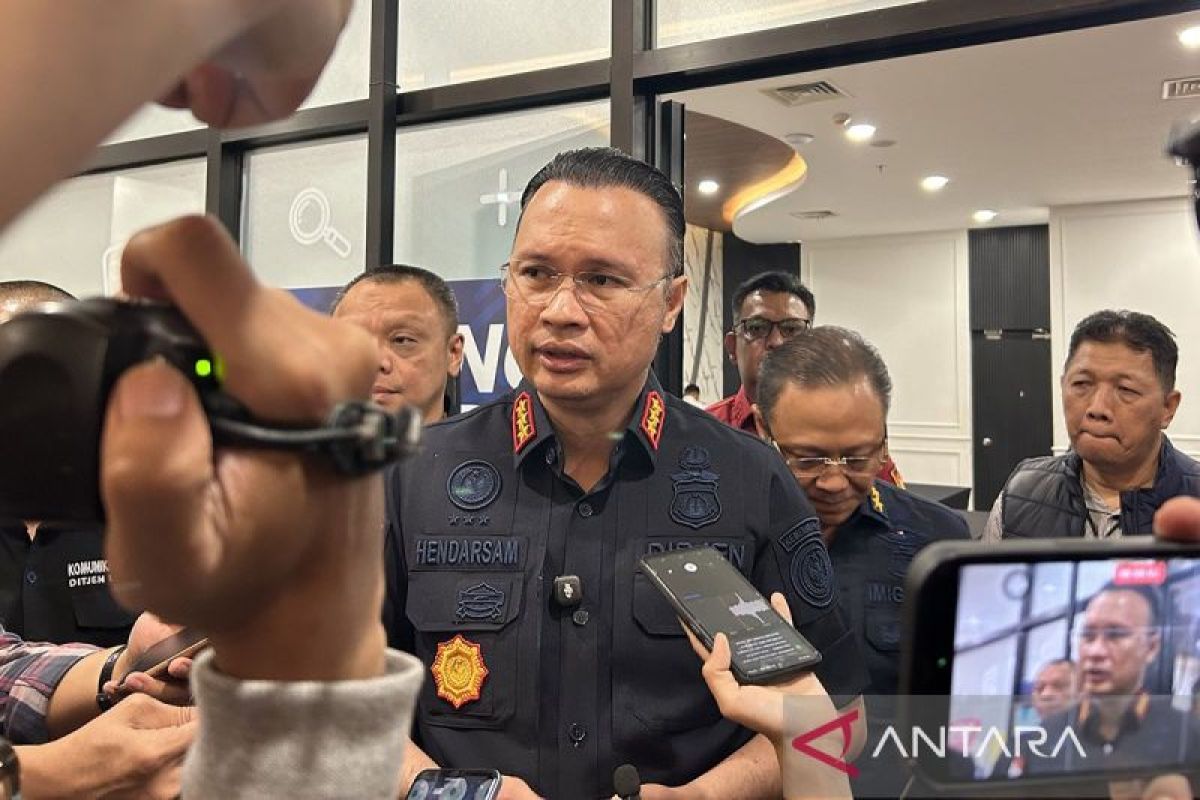
Jakarta (ANTARA) - The Directorate General of Immigration (Ditjenim) has renamed 32 immigration offices in Indonesia, adjusting them to suit regional conditions and characteristics in order to optimise immigration services for the public.
Immigration Director Hendarsam Marantoko stated in Jakarta on Monday that this renaming is part of an institutional restructuring aimed at building a more effective organisation. “With names that are more appropriate to the conditions and the scope of duties and functions of the immigration offices, the implementation of immigration functions is expected to be more effective and coordinated,” he said.
He explained that the restructuring includes changes to the nomenclature, or names, of 32 immigration offices and adjustments to the typology of 14 immigration offices. This change in nomenclature has received approval from the Minister of State Apparatus Utilisation and Bureaucratic Reform (PANRB) via decree Number B/923/M.KT.01/2026, dated 30 June 2026.
The restructuring of the immigration offices will take effect from 5 October 2026, following its establishment through the Decree of the Minister of Immigration and Correctional Services Number M.IP-30.OT.01.03 of 2026 regarding Immigration Offices within the Ministry of Immigration and Correctional Services.
According to him, the change in nomenclature or official names of immigration offices was conducted to better align with the characteristics and service area coverage of the respective offices. For example, the Surabaya Immigration Office has changed its name to the Juanda Immigration Office; the Medan Immigration Office has become the Kualanamu Immigration Office; and the Tabelo Immigration Office has become the North Halmahera Immigration Office.
Meanwhile, immigration office typology is, simply put, the grouping of offices based on the characteristics and requirements of their duties. This adjustment in typology allows the structure and organisational capacity of each office to be aligned with regional conditions, workload, and the characteristics of immigration services and supervision performed.
An example of this is the change from the Class I TPI Yogyakarta Immigration Office to the Class I Non-TPI Yogyakarta Immigration Office. This change in typology occurred because the immigration check point (TPI) or transit point at Yogyakarta International Airport is no longer under that office, but has been transferred to the Class II TPI Kulonprogo Immigration Office.
“This institutional restructuring is part of the government’s efforts to build a more effective organisation, while simultaneously ensuring that immigration service and supervision functions can be carried out optimally,” he said.
Hendarsam ensured that the adjustments to the names, working areas, and typology of the Immigration Offices are directed towards clarifying the scope of duties, strengthening organisational effectiveness, and ultimately providing immigration services that are increasingly easy, certain, and in accordance with public needs.
“The public applying for passports are advised to pay attention to the updated names of the Immigration Offices when registering through the M-Paspor application or searching online,” he explained. “The adjustment of office names in the service system is being carried out following the established nomenclature,” he added.