
Director General Basnang Urges Islamic Boarding Schools to Secure Legal Status
The Ministry of Religious Affairs (Kemenag) is urging Islamic boarding schools that do not yet possess permits to immediately process their institutional legality. Legal status is considered essential to ensure that pesantren meet various standards, including those related to buildings, facilities, governance, and the protection of students.
Basnang Said, the Director General of Pesantren at the Ministry of Religious Affairs, stated that legality issues remain one of the primary challenges in organising pesantren in Indonesia. Notably, several incidents occurring within boarding school environments, including cases of violence, have frequently been found in institutions that lack official permits.
Consequently, according to Basnang, the government continues to encourage unlicensed pesantren to register themselves with the Ministry of Religious Affairs at the regency or city level. This step is necessary so that the existence of these schools can be recorded and they can receive guidance from the government.
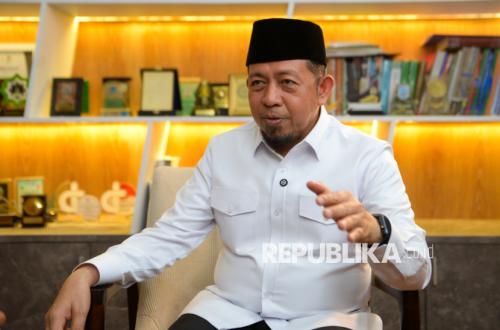
“Naturally, once we identify how many are unlicensed, we will push them to obtain permits,” Basnang said during a special interview with Republika at the Ministry of Religious Affairs office in Lapangan Banteng, Jakarta, on Monday (28/09/2026).
Nevertheless, Basnang acknowledged that the process of legalising pesantren still faces several obstacles. One of these is the requirement for Building Construction Approval (PBG) from local governments, as well as the Certificate of Occupancy (SLF). “These processes do involve fees,” he noted.
Basnang mentioned that the cost of processing PBG in several regions can reach approximately Rp 20 million to Rp 25 million. This situation poses a challenge for pesantren that grow from communities with limited economic means. He expressed concern that such requirements might make it difficult for schools in villages and remote areas to obtain legality.
“We must ensure that those establishing or seeking permits for pesantren are not only the wealthy,” said Basnang.
According to him, pesantren are educational institutions that largely emerge from community initiatives. Therefore, the government needs to ensure that legality requirements can still be met without removing the opportunity for the public to establish and develop these institutions.