
Diplomacy as the architecture of Indonesia's resilience
At Tanjung Priok Port, thousands of containers move every day. Some are destined for ships sailing to various countries, while others have just arrived, carrying raw materials for domestic industries. This activity occurs almost without pause, appearing as a routine that functions on its own.
For port workers, the priority is that goods arrive on schedule. For exporters, the goal is to find buyers. For industrial players, the necessity is an uninterrupted supply of raw materials. However, the smooth flow of goods is often influenced by decisions made far from the docks where containers are unloaded and loaded.
Trade agreements, tariff changes, investment directions, and the dynamics of international relations can determine whether a product retains its market, whether industries acquire new technology, or whether energy supplies remain stable when global situations shift. What is discussed at international negotiating tables ultimately affects the pulse of domestic economic activity.
Indonesia sits at the centre of this interconnectedness. Data from the Central Bureau of Statistics shows that Indonesia’s export value throughout 2025 reached approximately 282.91 billion USD, with a trade surplus of around 41.05 billion USD. These figures demonstrate that the national economy is increasingly connected to global dynamics. Changes occurring abroad now more rapidly influence the business world, industry, and the lives of the people.
In such a situation, diplomacy is no longer understood merely as an instrument of foreign relations. It has evolved into a component of a development strategy aimed at creating an international environment that supports economic growth, industrial strengthening, and the sustainability of national development.
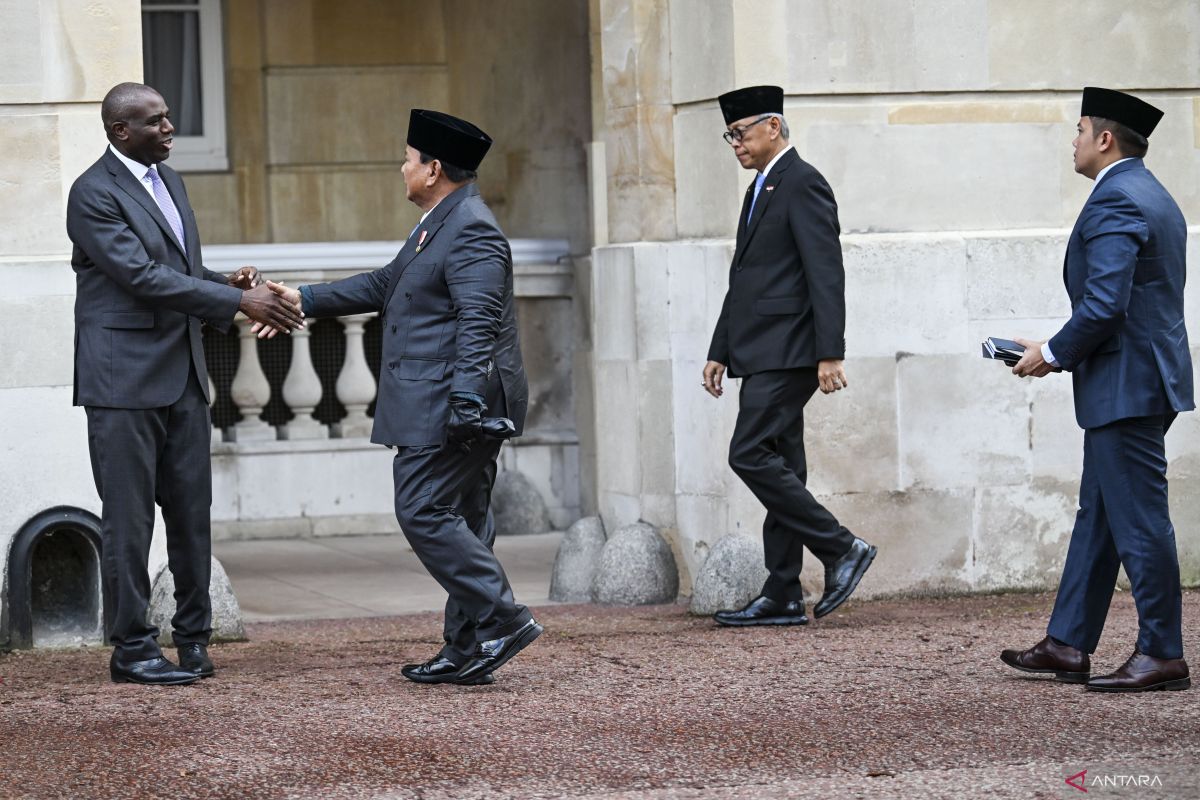
This approach is reflected in various diplomatic steps taken by President Prabowo Subianto, who consistently emphasises economic cooperation. In meetings with international partners, ranging from Japan to the United States, President Prabowo has encouraged the expansion of trade, investment, and industrial partnerships as part of efforts to accelerate economic modernisation and increase domestic value-add.
Thus, foreign relations do not stop at strengthening political ties but are directed towards producing tangible benefits for national development. This framework of thinking was further reinforced by the Indonesian Foreign Minister, Sugiono, through the concept of ‘resilience diplomacy’, which he describes as a fundamental pillar of Indonesia’s foreign policy.
For Indonesia, amidst an increasingly unpredictable world, resilience cannot be borrowed from other nations; it must be built from within, as only a strong nation possesses bargaining power in international affairs. In this sense, diplomacy is directed towards strengthening national interests while simultaneously enhancing Indonesia’s ability to face global changes. This perspective is reflected in various Indonesian diplomatic achievements, from expanding trade access and strengthening investment to diversifying strategic cooperation as part of the effort to fortify the foundations of national development amidst a changing world.
Source: jawawa.id (https://jawawa.id/newsitem/diplomacy-as-the-architecture-of-indonesias-resilience-1782550380)
Originally published by Antara (Indonesian) (https://www.antaranews.com/berita/5625451/diplomasi-sebagai-arsitektur-ketahanan-indonesia), translated from Indonesian