
Dino Patti Djalal Speaks Out on MSCI and Offers Advice to the Government
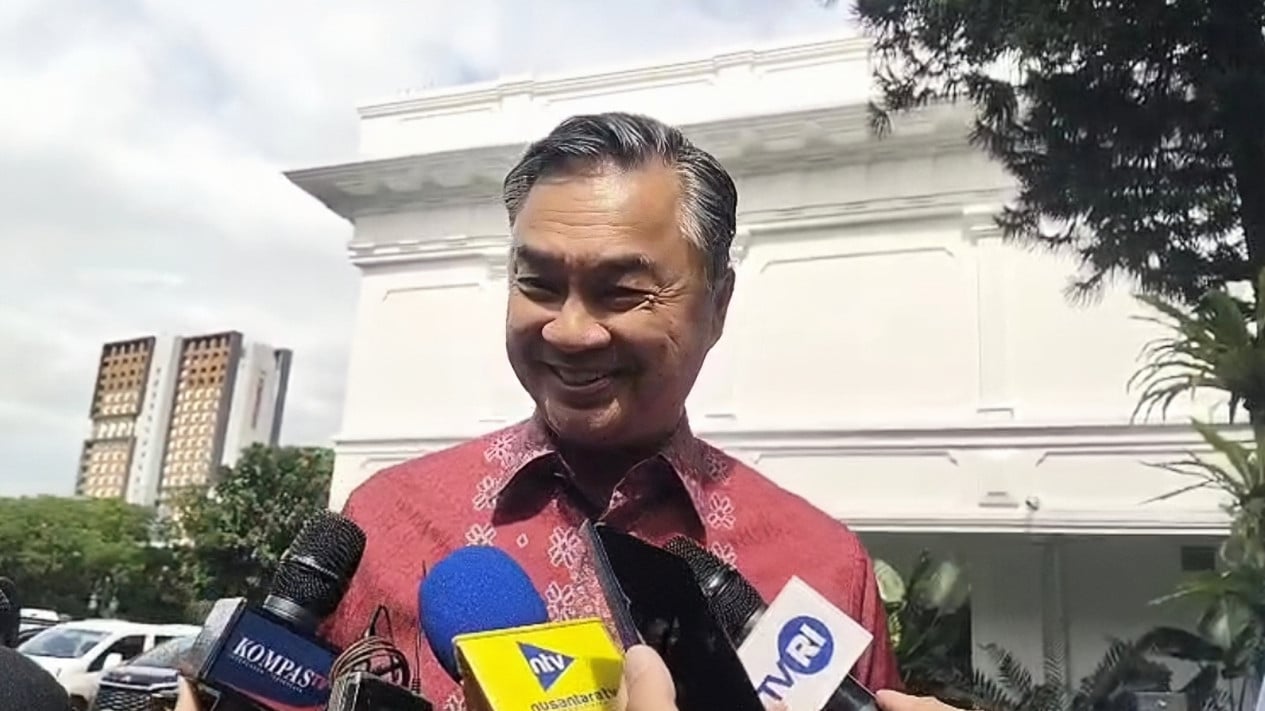
Former deputy foreign minister under President Susilo Bambang Yudhoyono (SBY), Dino Patti Djalal, has highlighted Indonesia’s downgrade to Standalone Market status by Morgan Stanley Capital International (MSCI). He said the development should be taken seriously by the government because it reflects concerns about confidence in Indonesia’s capital market.
Dino said the erosion of confidence among businesspeople, both at home and abroad, needed to be anticipated early. If left unchecked, he warned, it could spread and trigger economic, social and even political crises.
“Recently, signs of eroding confidence have begun to emerge among businesspeople, both overseas and in Indonesia. Domestically, the erosion is already being felt by large, medium-sized and small businesses. If the President does not recognise these signs, it means he is not receiving accurate information about conditions on the ground,” he said, according to a post on his official Instagram account on Saturday (24 October 2026).
Dino also advised the government to act quickly to restore the confidence of businesses and investors before the situation worsened. He said the government still had the next three years to improve matters.
He also explained that MSCI was unlike the IMF, saying it could not be influenced by the political interests of any particular government. Its independence, he said, was why global investors relied on MSCI as a key benchmark for assessing stock markets.
“MSCI is a neutral, independent, non-governmental organisation with no vested interests, and that is why it is a key reference point for global investors. MSCI’s foundation is trust, so it will not allow any country to dictate to it and will adhere only to the benchmarks it has set itself,” he said.
Dino added that Indonesia’s score on the MSCI index had previously stood at 2.6 per cent. Under the same criteria, he said, it had now fallen to 0.3 per cent.
In the current situation, Dino said, the government should not regard MSCI as an adversary to be defeated. He said this was not a contest of strength; instead, the government needed to understand MSCI’s assessment and develop an appropriate strategy to address the underlying issues.