
Digitalisation of Social Assistance Expanded, Potential Efficiency Gains Reach Rp 260 Trillion
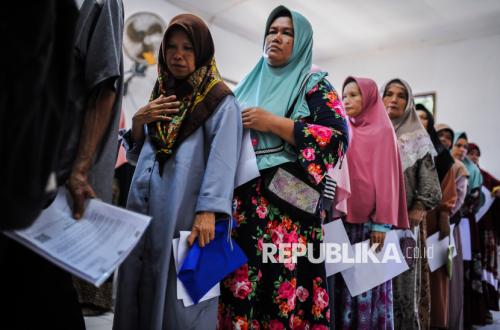
The success of a pilot programme in Banyuwangi has become the foundation for expanding the digitalisation of social protection to 42 regencies/cities and one province. This was discussed by the Chairman of the Government Digital Transformation Acceleration Committee (KPTDP), who is also the Chairman of the National Economic Council (DEN), Luhut B. Pandjaitan, during a KPTDP coordination meeting while monitoring limited implementations in Surabaya and Bali.
“Perlinsos is a portal, not an application, that enables social assistance registration using only a National Identity Number (NIK) and facial verification,” Luhut stated.
He explained that the social assistance registration process, which previously could take up to 200 days, can now be completed in a matter of minutes. Similar impacts are beginning to be seen in Bali and Surabaya. Costs borne by the public, which previously could reach Rp 150,000, have also been reduced to almost nothing.
“We have proven that technology developed by the nation’s own children can solve problems that have been challenges for decades. With increasingly accurate and integrated data, the President can make more precise decisions to ensure state aid is truly received by those in need,” Luhut said.
To date, nearly 370,000 citizens have accessed the Digital Perlinsos service for registration or to submit appeals. This forms the basis for expanding the service to 42 regencies/cities.
Luhut explained that the portal unifies data from eight ministries and agencies through Digital Public Infrastructure (DPI), a first-of-its-kind approach implemented in Indonesia. Citizens who already possess a Digital Population Identity (IKD) can access the portal independently, while those without can be assisted by companion agents.
He said this innovation is supported by three DPI foundations: digital identity and biometric verification to ensure applicant authenticity, government data exchange through a Service Liaison System that connects population, Socio-Economic Registration (DTSEN), employment, electricity, and asset data, and digital payments for fast and transparent distribution.
To ensure the service reaches all communities, the Ministry of Social Affairs, together with relevant ministries and agencies, has prepared 60,000 companion agents to assist with registration and bridge the digital literacy gap.
“The trial is being expanded to 42 regencies/cities across 25 provinces to test governance, infrastructure, and regulations before wider implementation. Since 4 June 2026, limited trials have been running in Surabaya and throughout Bali, covering nine sub-districts and 14 urban wards/villages,” Luhut continued.
As of 16 June 2026, more than 6,100 heads of families have registered through the portal, assisted by over 700 companion agents comprising civil servants (ASN), Family Hope Programme (PKH) and Social Welfare District Workers (TKSK) officers, community leaders, PKK members, and Dasawisma cadres.
Source: jawawa.id (https://jawawa.id/newsitem/digitalisation-of-social-assistance-expanded-potential-efficiency-gains-reach-rp-260-trillion-1781675614)
Originally published by Republika (https://ekonomi.republika.co.id/berita/tgrgne423/digitalisasi-bansos-diperluas-potensi-efisiensi-capai-rp-260-triliun), translated from Indonesian