
Digital Transactions for MSMEs Could Unlock Alternative Credit Access
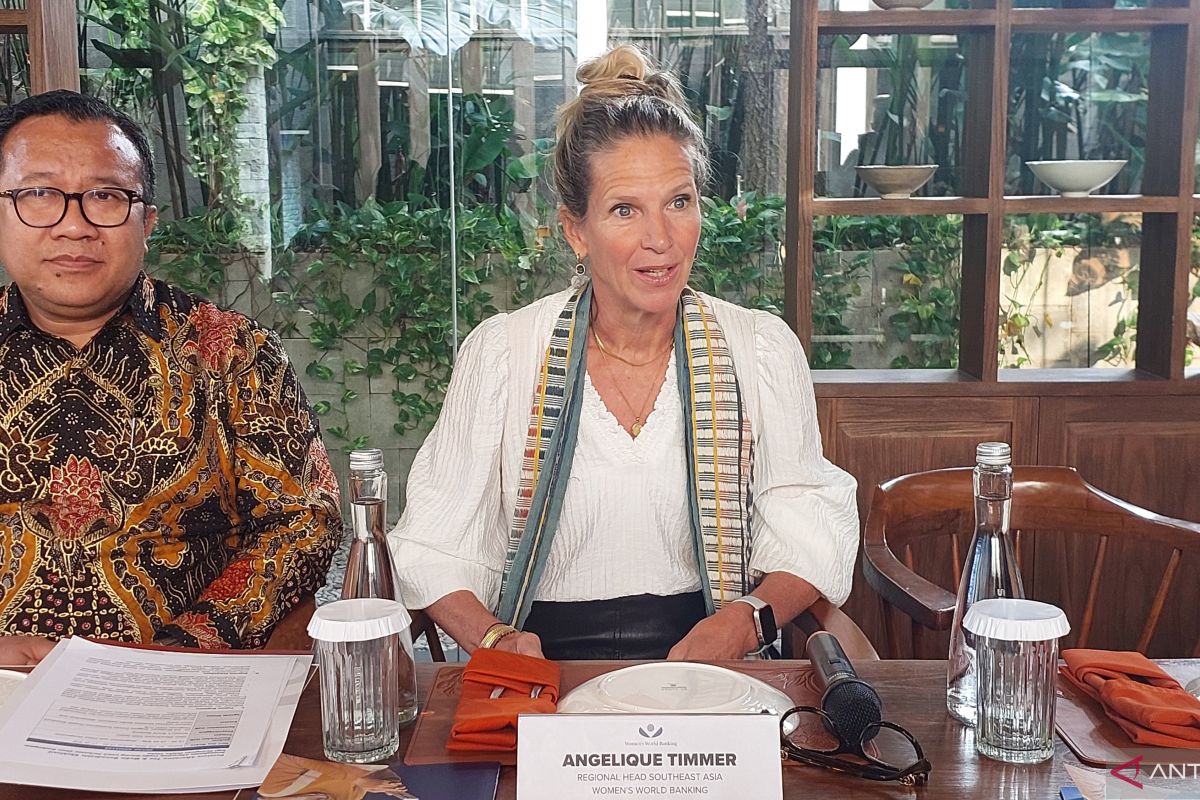
Jakarta (ANTARA) - Angelique Timmer, head of Women’s World Banking for Southeast Asia, believes the digital footprint left by women owners of micro and ultra-micro businesses presents an opportunity to qualify for alternative credit from banks to grow their enterprises.
The international non-profit organisation records that around 64 per cent of MSMEs in Indonesia are owned by women. However, nearly 75 per cent of women MSME players still lack access to formal credit, even though most have been running businesses and earning income regularly.
“When their business activity can be proven through digital data, they become more visible to banks and have a greater chance of obtaining financing to grow their businesses,” Angelique said during a media discussion on alternative credit scoring for women-owned MSMEs in Jakarta on Thursday.
She said women running micro and ultra-micro businesses hold significant potential to drive national economic growth. Yet millions of women entrepreneurs still struggle to obtain financing because they lack a credit record recognised by financial institutions.
Women’s World Banking believes the main problem lies not in the low productivity of women entrepreneurs, but in credit assessment systems that fail to capture their economic activity.
Angelique said the use of financial data from QRIS transactions, electricity and telecommunications bill payments, stock purchases, and sales through digital systems could serve as an alternative for banks in assessing prospective borrowers, rather than relying solely on collateral or loan history.
However, access to financial services has not yet been fully matched by access to productive financing.
For this reason, the organisation encourages the use of alternative data so that entrepreneurs who have no credit history can have an equal opportunity to access formal loans.
She also stressed that expanding financing access for women not only benefits their businesses but also has a multiplier effect on the wider economy.
“When women gain access to financing, the benefits are felt not only by their businesses but also by their families, supply chains, communities, and economic growth as a whole,” she said.
As for indicators of success for this credit recommendation, Angelique said collaboration between regulators, the government, banks, data providers, and financial industry players would be needed.
In addition, credit scoring models should also use gender-sensitive data to reduce bias and produce fairer financing decisions for women entrepreneurs.