
Digital Tax Revenue Reaches Rp58.75 Trillion in 2026 as Tax Office Steps Up Oversight and Broadens the Tax Base
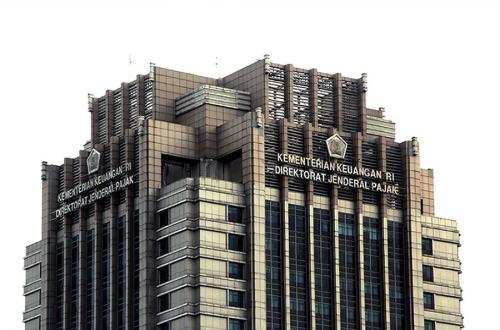
JAKARTA — Two days after Indonesian Chamber of Commerce and Industry (Kadin) Advisory Council Chairman Hashim Djojohadikusumo spoke about digital economy taxation at Kadin’s national leadership meeting, the Directorate General of Taxes issued a statement on revenue from the sector. In the statement on Saturday (31 October 2026), Director General of Taxes Bimo Wijayanto set out revenue from the digital economy, which includes marketplace trading, crypto-assets, fintech and the government procurement system (SIPP).
The Director General of Taxes said revenue from the digital economy reached Rp58.75 trillion as at 30 September 2026. It came from four sectors: electronic commerce (PMSE), or marketplace trading; crypto-assets; financial technology (fintech); and government procurement of goods and services through the Government Procurement Information System (Pajak SIPP).
Bimo said the receipts reflected the contribution of digital economic activity to state revenue. “The Directorate General of Taxes (DJP) continues to strengthen oversight and broaden the tax collection base so that growth in the digital economy goes hand in hand with improved tax compliance,” he said in the statement.
Digital taxation became a talking point after Hashim spoke at the opening of Kadin’s national leadership meeting last week. In his speech, Hashim said the government would begin collecting tax on digital transactions from 9 November.
“We are starting with transactions under what is called digital taxation, or digital tax. This will be implemented soon, on 9 November. All state-owned banks, private banks and fintech companies, including Shopee, Lazada, GoTo and others, must collect taxes that have not been collected so far. This will improve our fiscal position, which foreign observers and others consider weak,” Hashim said.
His remarks drew attention from economists and members of the public. In particular, Hashim spoke about barbers and masseurs whose service transactions are not taxed by the government. He also discussed the potential scale of the national economy, saying it could generate a surplus of Rp900 trillion if these taxes were collected.
As for the target for tax revenue as a share of gross domestic product (GDP), the government has set a target of 9.26 per cent for next year. This is the highest target in the past decade. In South-east Asia, Indonesia’s tax-to-GDP ratio is among the lowest, particularly since the Covid-19 pandemic.
Source: jawawa.id (https://jawawa.id/newsitem/digital-tax-revenue-reaches-rp58-75-trillion-in-2026-as-tax-office-steps-up-oversight-and-broadens-the-tax-1793623878)
Originally published by Republika (https://ekonomi.republika.co.id/berita/tnvhkv475/setoran-pajak-digital-2026-sudah-rp-5875-t-ditjen-pajak-perkuat-pengawasan-dan-perluas-basis), translated from Indonesian