
Digital Skills and the Future of Vocational Graduates
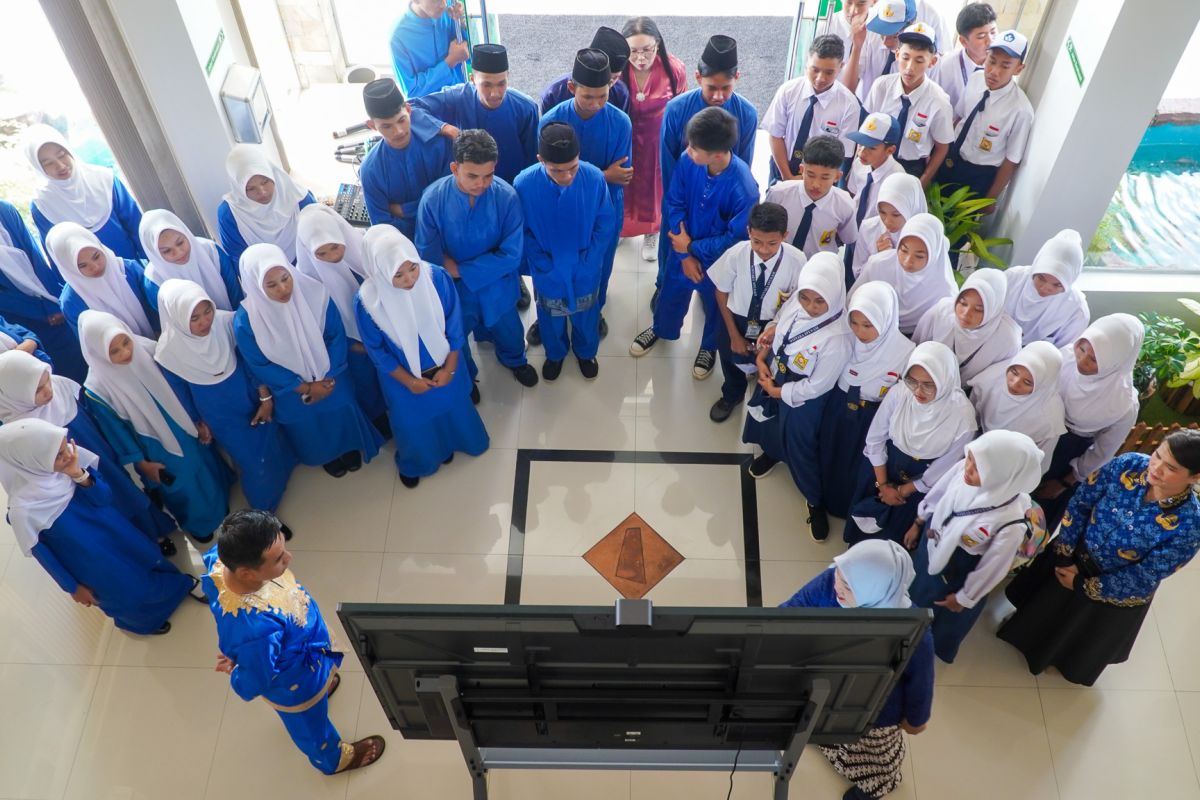
Digital capabilities can no longer be viewed as supplementary skills but have become a primary necessity, especially for graduates of vocational education.
Jakarta (ANTARA) - The development of digital technology is accelerating rapidly and impacting nearly all aspects of life.
The introduction of 5G networks is one of the major triggers for change in the telecommunications world and industry at large. This technology not only offers higher internet speeds but also opens up opportunities for utilising advanced technologies such as artificial intelligence, the Internet of Things, and large-scale data processing.
In such conditions, digital capabilities can no longer be regarded as supplementary skills but have already become a primary need, particularly for vocational education graduates.
Vocational education plays a strategic role in preparing a workforce ready to enter the job market directly. Vocational graduates are expected to fill industry needs with practical and readily applicable skills.
However, the extremely rapid technological changes make old approaches in vocational education insufficient. Conventional technical skills, without accompanying digital understanding, are increasingly difficult to meet the demands of an industry now based on data and automated systems.
The 5G era brings fundamental changes in the way telecommunications systems operate. Networks now not only function as communication channels but also as intelligent systems capable of monitoring performance, analysing data, and even making decisions automatically.
Many processes that were previously done manually are now replaced by software and algorithms. This situation demands a workforce that can not only operate devices but also understand how digital systems work comprehensively.
Several experts emphasise that this shift in skill requirements is unavoidable. The World Economic Forum estimates that more than half of the global workforce will need to enhance or even replace their skills before 2026. The main focus is on digital skills, data understanding, and the ability to work with automated technology.
Klaus Schwab, founder of the World Economic Forum, states that the future workforce must continue learning because static skills will quickly be left behind by technological developments. This message is relevant to vocational education, which has long been the main pathway for producing industrial workers.
In the telecommunications industry, this challenge is particularly acute. Managing modern networks requires personnel who can read network performance data, understand disruption patterns, and use AI-based monitoring systems.
Terms like network intelligence, once known only to certain technical circles, are now becoming general needs. Without this understanding, vocational education graduates will struggle to keep up with job market developments.
Important momentum