
Digital Population Identity (IKD) Strengthens Data Verification in East Java's Social Protection Digitalisation
The accuracy of social protection distribution increasingly depends on the government’s ability to ensure every citizen is connected to the correct identity. This is where the Digital Population Identity (IKD) plays a vital role.
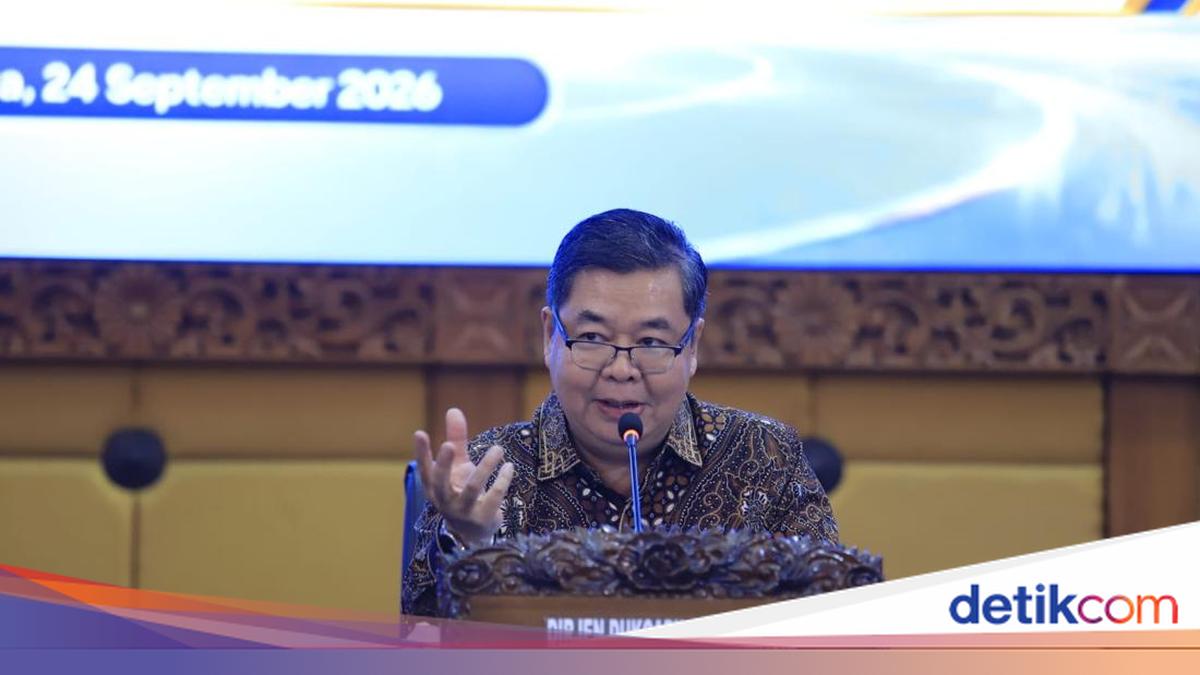
The Directorate General of Population and Civil Registration (Dukcapil) of the Ministry of Home Affairs is encouraging the use of IKD as the foundational identity within the social protection digitalisation ecosystem. This reinforcement is being carried out alongside local governments and relevant ministries/agencies, including through assistance for citizens who lack access or the ability to use digital services. This step was highlighted during the Coordination Meeting for the Acceleration of Social Protection Digitalisation through IKD Activation at the East Java Provincial Secretariat Office, Surabaya, on Thursday (24/9).
The Director General of Dukcapil, Teguh Setyabudi, stated that the digitalisation of social protection cannot function if the burden is placed on a single agency. Collaborative efforts are required from the ministerial and local government levels down to regional officials.
“The digitalisation of social protection cannot be implemented by one party alone. The Social Affairs Office cannot work in isolation. There must be collaboration with Dukcapting, Kominfo, Bappeda, assistants, regional heads, sub-district heads, village heads, down to RT and RW officials,” Teguh said in his statement on Friday (25/9/2026).
According to Teguh, East Java has committed to involving all regencies and cities in the social protection digitalisation agenda. Consequently, implementation is no longer limited to areas that previously served as pilot projects.
“For East Java, it has been declared that there will be no more piloting. All regencies and cities must participate in the social protection digitalisation programme,” he said.
IKD as the Gateway to Digital Identity
Within this ecosystem, IKD functions as a digital identity that allows citizens to access government services more easily. For social protection, verified identity is crucial because the process of data collection and verification of aid recipients requires certainty regarding which citizens are being recorded.
Dukcapil’s population data is also supplemented with biometric records. This allows the identity verification process to be conducted by matching resident data with their biometric characteristics.
Tegu explained that population data can be exchanged in a controlled manner through the Government Service Connection System (SPLP). This mechanism opens space for integration with data from various ministries and agencies according to their respective needs and authority.
This includes vehicle data from Korlantas, land data from ATR/BPN, and personnel data from BKN. Such cross-sectoral matching can become part of the verification process in determining the eligibility of social protection recipients.
“Population data is important because it is connected to biometric identities, such as facial records, iris, and fingerprints. This system enables the government to perform identity verification more accurately,” said Teguh.
This approach positions population identity as one of the foundations for building digital public services. The three elements being developed in digital government transformation include digital identity, data exchange, and digital payments.
No Smartphone Required
Digitalisation does not mean that the entire service process must be conducted by citizens themselves via smartphones. Limitations in devices, internet networks, and digital literacy remain a reality in several regions. Therefore, the government is preparing an assistance mechanism through Digital Social Protection Agents.
Agents may consist of civil servants (ASN), Family Hope Program (PKH) facilitators, volunteers, TNI-Polri personnel, and RT/RW officials. They assist citizens in the registration process, data entry, and identity verification.
This scheme is essential to ensure that digitalisation does not create a group of citizens left behind due to a lack of devices or the ability to access services independently.
In Surabaya, for example, the local government has previously prepared thousands of agents involving civil servants, RT/RW, PKH facilitators, and social welfare workers to assist citizens experiencing digital access limitations. In this mechanism, agents function as facilitators.
They do not determine whether someone is entitled to receive aid. Eligibility determination still follows the data, criteria, and mechanisms established by the government.
From Identity to Data Verification
Digitalising social protection also requires a mechanism to update community data. Therefore, the government is encouraging community involvement through the ‘Peduli Tetangga’ (Care for Neighbours) movement.
This movement invites the community to help identify neighbours in their surroundings who need social protection and to ensure they have the opportunity to be included in the data collection process. This concept simultaneously addresses the issue of citizens who may need assistance but are not yet recorded or face difficulties accessing digital systems independently.
“The issue on the ground is that those in need do not all have mobile phones, and not all can access the internet, so agents are needed,” said the Daily Coordinator for Social Protection Digitalisation, Rahmat Danu Andika.
East Java is one of the regions receiving significant attention in the development of this ecosystem. As of the coordination meeting, the government reported that agents are already assisting in the re-registration process for potential social protection recipients.
Maintaining Accuracy and Inclusivity
For the Directorate General of Dukcapil, the digitalisation of social protection is ultimately not just about moving services to digital platforms. More fundamentally, it is about ensuring that citizens’ identities are valid, data can be verified, and access to services remains open to the public, even those with digital limitations. Therefore, IKD activation goes hand-in-hand with strengthening proactive outreach and community assistance.
Tegu emphasised the importance of coordination…
Source: jawawa.id (https://jawawa.id/newsitem/digital-population-identity-ikd-strengthens-data-verification-in-east-javas-social-protection-digitalisation-1790304999)
Originally published by detikcom (https://news.detik.com/berita/d-8678244/ikd-perkuat-verifikasi-data-dalam-digitalisasi-perlindungan-sosial-di-jatim), translated from Indonesian