
Digital Hijrah and Religious Influencers Urged to Be Accompanied by Depth of Knowledge
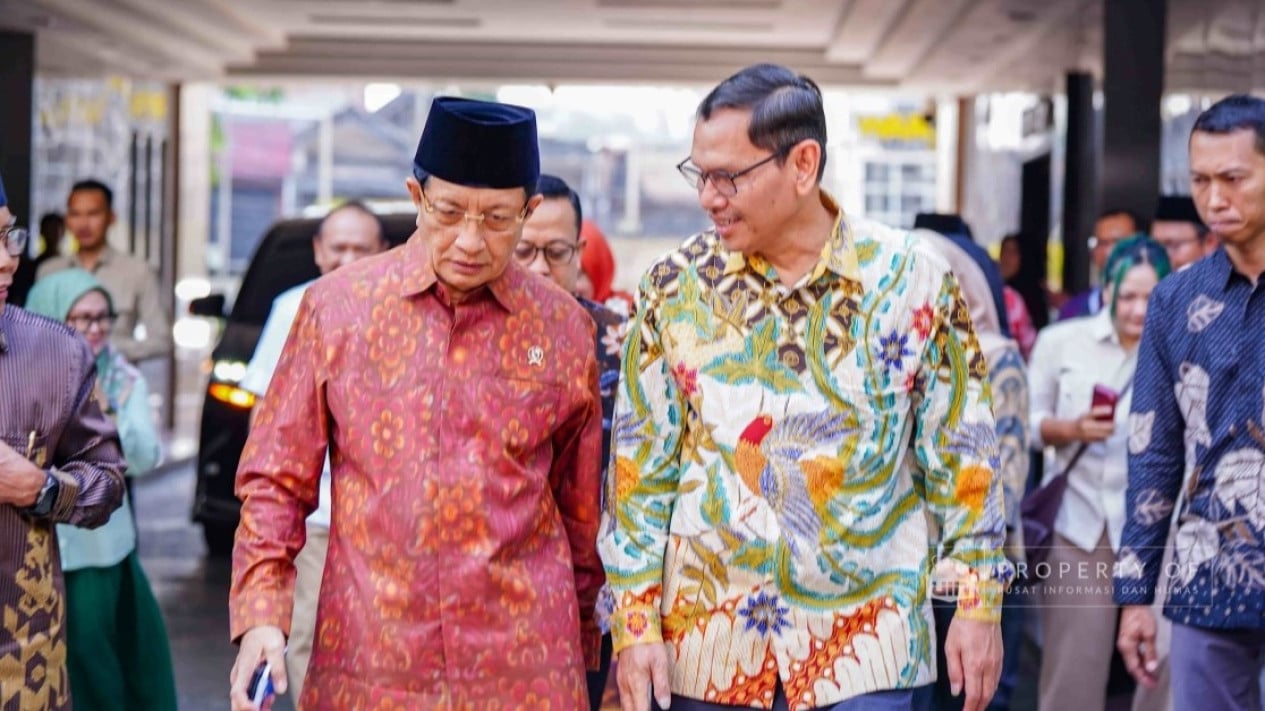
Jakarta, VIVA - The phenomenon of digital hijrah and the proliferation of religious influencers on social media is seen as part of a major shift in how the public, particularly the younger generation, understands and practices religion in the digital era.
Imam Subchi, Vice Rector of UIN Syarif Hidayatullah Jakarta and a specialist in religious anthropology, said that social media is no longer just a medium for entertainment and communication, but also a new space for learning religion.
‘Today social media has become a new space for learning religion. Young people study the Qur’an via YouTube, TikTok, Instagram, podcasts, and digital communities. This is a social reality that cannot be avoided,’ Prof Imam Subchi said in Jakarta on Thursday 21 May 2026.
According to him, the phenomenon is evident from various studies showing high levels of religious activity in the digital space. The Indonesia Millennials and Gen Z Report 2026 from IDN Research notes that about 65 percent of millennials and Gen Z access spiritual or religious content every week through YouTube and social media.
‘The Indonesia Millennials and Gen Z Report 2026 from IDN Research notes that around 65 percent of millennials and Gen Z access spiritual or religious content weekly,’ he said.
Meanwhile, the We Are Social 2025 report shows the number of social media users in Indonesia has reached around 143 million accounts, even though more than 207 million Indonesians are active on social media.
According to Imam, the condition is causing religious authorities to undergo major changes as well. If in the past people learned religion through pesantren, majelis taklim, or formal educational institutions, now many people more easily make social media influencers their primary reference.
‘Now a person can be considered a religious scholar because they go viral, often appear on the FYP, or have millions of followers. In reality, religious authority should be built from a long learning process, depth of knowledge, and moral responsibility,’ he said.
He explained that the fast, concise nature of social media makes people prefer short video clips over full and in-depth religious explanations. As a result, complex religious issues are often understood instantly.
‘Let religion not just be content and visual symbols. Hijrah is not merely a change in appearance or social media posts, but also a change in morals, way of thinking, and social concern,’ he said.