
Different Cities, Different Pollution Sources: BRIN Maps Unique PM2.5 Signatures in Three Major Cities
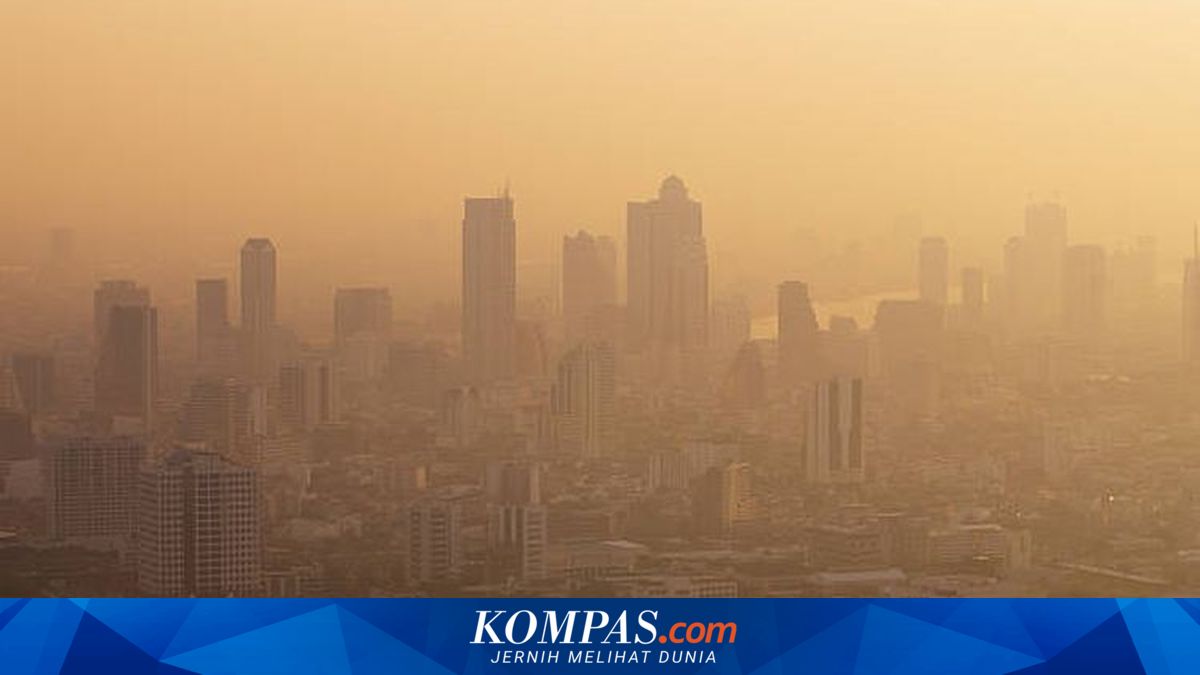
BRIN’s latest study indicates that each major city—Jakarta, Bandung, and Tangerang—has distinct particle morphology characteristics and dominant emission sources. To investigate PM2.5, BRIN conducted an in-depth study of PM2.5 in Bandung, Jakarta, and Tangerang. BRIN researcher Feni Fernita Nurhaini, a junior researcher at the Center for Technology Analysis of Nuclear Signatures (PRTABN) of BRIN, carried out a preliminary study aimed at determining PM2.5 characteristics in several major cities. ‘We aim to fill the research gap on PM2.5 by undertaking a preliminary study to determine the surface characteristics (morphology) of PM2.5 and its chemical element composition, to comprehensively view the PM2.5 profile and its relation to the dominant pollution sources in several cities on Java Island, such as Jakarta, Bandung, and Tangerang,’ said Feni on Tuesday (5 May 2025), quoted from BRIN’s website. The study was conducted from May to September 2022 by taking air samples for 24 hours on a Teflon filter using a Super Speciation Air Sampling System (SuperSASS). Subsequently, the samples were analysed using several laboratory methods to determine concentration, particle shape, and elemental content. The analyses looked not only at concentration but also at particle morphology and the chemical elements contained within them. In terms of chemical content, Bandung-Tamansari air samples were found to be heavily influenced by soil dust, biomass burning, and motor vehicles. By contrast, South Jakarta showed strong influence from vehicle emissions and air masses from the sea. Meanwhile, South Tangerang had distinctive characteristics with relatively high levels of sulphur and lead. ‘Each city has different pollution sources. Therefore, the management cannot be standardised and must be tailored to the regional conditions,’ said Feni, quoted from BRIN’s website. The study found varying PM2.5 concentrations across the cities. Bandung-Tamansari recorded an average concentration of 41 µg/m³ on weekdays and 42 µg/m³ on weekends. ‘The highest figure in Bandung reached 86.5 µg/m³, which exceeds the government’s daily air quality safety limit of 55 µg/m³,’ said Feni.