
Differences Between Tectonic and Volcanic Earthquakes: Which is More Dangerous?
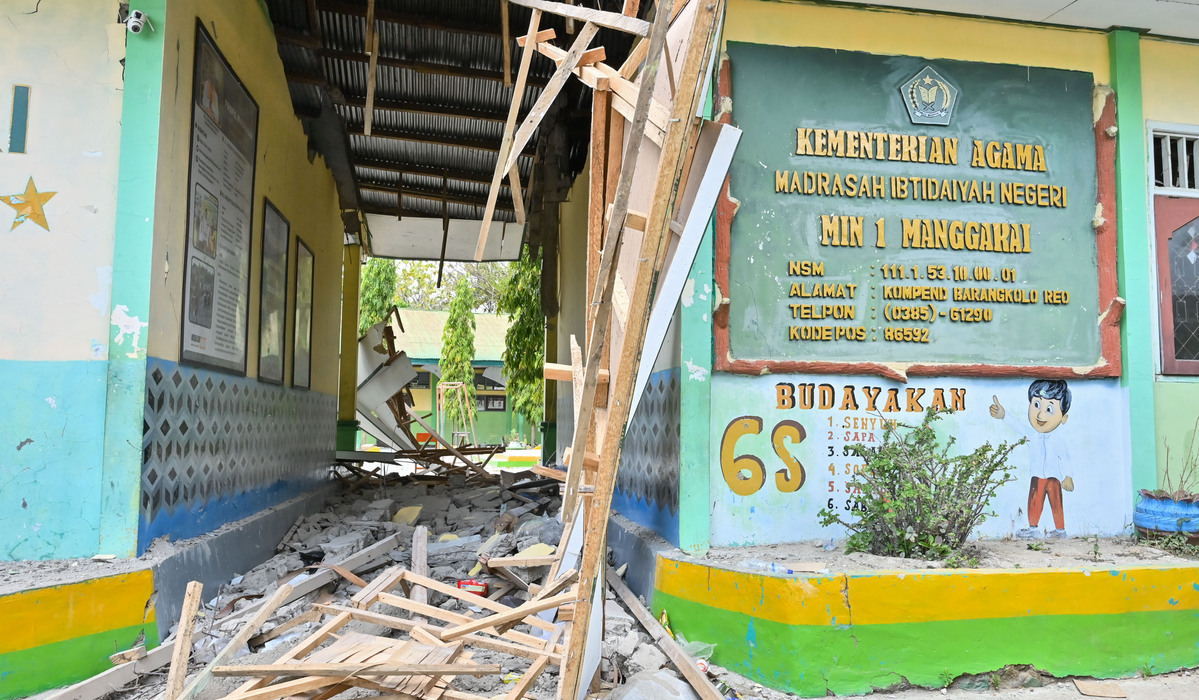
Indonesia is located within the Pacific Ring of Fire, a pathway where active tectonic plates meet and which serves as home to hundreds of volcanoes. This geographical condition makes the Indonesian people very familiar with the phenomenon of earthquakes. However, not all earthquakes share the same origin.
In general, the earthquakes we frequently experience are divided into two main types based on their cause: tectonic earthquakes and volcanic earthquakes. Understanding the difference between the two is not merely geological insight, but a crucial step in disaster mitigation. So, what distinguishes the two and which possesses greater destructive power?
Tectonic earthquakes are the most common type of earthquake in the world. These are caused by the sudden release of energy due to the shifting of tectonic plates in the Earth’s crust. The Earth’s crust consists of large pieces called plates, which continue to move dynamically, albeit very slowly.
When these plates rub against each other, collide, or move apart, stress accumulates in the rocks. When these rocks can no longer withstand the pressure, they break or shift suddenly, releasing seismic waves that we feel as intense vibrations.
Unlike tectonic earthquakes, volcanic earthquakes are closely related to magma activity within a volcano. These occur due to the movement of magma pushing against surrounding rocks as it attempts to rise to the surface. High gas pressure within the magma chamber can also trigger these vibrations.
Volcanic earthquakes usually serve as an early signal or precursor that a volcano is about to erupt. Volcanologists use the frequency and strength of volcanic earthquakes to determine the activity status of a volcano, ranging from Level I (Normal) to Level IV (Alert).
If the question is which is more dangerous in terms of global scale and infrastructure damage, the answer is tectonic earthquakes. This is due to their ability to generate massive energy across vast areas.
However, it should be noted that volcanic earthquakes have their own specific dangers. Although their vibrations might not collapse buildings in large cities, volcanic earthquakes are a warning of a more deadly threat: volcanic eruptions that bring pyroclastic flows, lava flows, and ash rain.
The danger of an earthquake is determined not only by its type but also by the depth of the earthquake’s centre (hypocentre), the distance from settlements, and the quality of buildings in the affected area.
Given that Indonesia is prone to both types of earthquakes, mitigation steps are essential. Tectonic and volcanic earthquakes are two different natural phenomena that both demand vigilance. Tectonic earthquakes excel in terms of strength and the range of destruction, while volcanic earthquakes serve as a natural alarm for the threat of eruption. By understanding the characteristics of both, we can be better prepared to face disaster risks in the future.