
Differences Between SNI and International Horn Type Testing
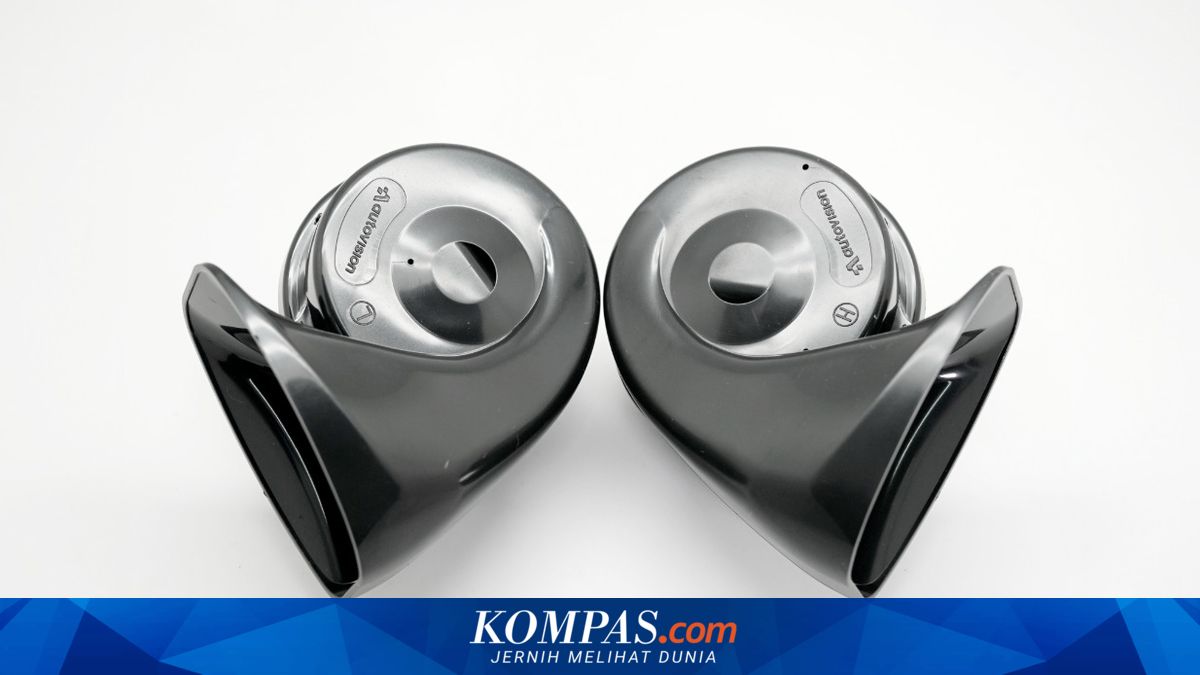
One of the tests conducted by the Roadworthiness Testing and Motor Vehicle Certification Centre (BPLJSKB) during the vehicle type testing process is horn testing. This testing is performed to ensure that horn noise levels remain within the specified thresholds, so as not to disturb other road users.
The Head of Service Section at BPLJSKB, Tri Bowo Leksono, stated that the testing processes for national and international horn noise standards differ. “For the local standard, the threshold is between 83 decibels and 118 decibels,” Bowo told Kompas.com in Bekasi, West Java, recently. Vehicle horn sounds must not be too quiet or too loud; if test results fall below or exceed these thresholds, the vehicle may be declared failed in the type testing process.
In contrast, the testing method using international standards is more detailed. The measurement does not only look at decibel figures but also takes into account the position of the measuring instrument and the sound character produced by the vehicle. During the testing process, officers use a device called a sound level meter (SLM) to measure the noise level of the horn.
“The SLM will be placed at a distance of half a metre to 1.5 metres, and then the vehicle is accelerated to find the highest sound point. The distance between the vehicle and the sound level meter is approximately 7 metres,” he explained. Through this method, officers can determine the highest noise level produced by the vehicle more accurately.
As information, type testing is a mandatory stage that all vehicles must undergo before being marketed in Indonesia. Generally, the difference between national and international standard testing lies in the method and the detail of the measurement. National standards focus more on the permitted noise decibel limits, whereas international standards involve more intricate procedures, ranging from the placement of measuring tools to identifying the vehicle’s peak sound point.