
Differences Between Saltwater and Freshwater Crocodiles According to IPB Expert
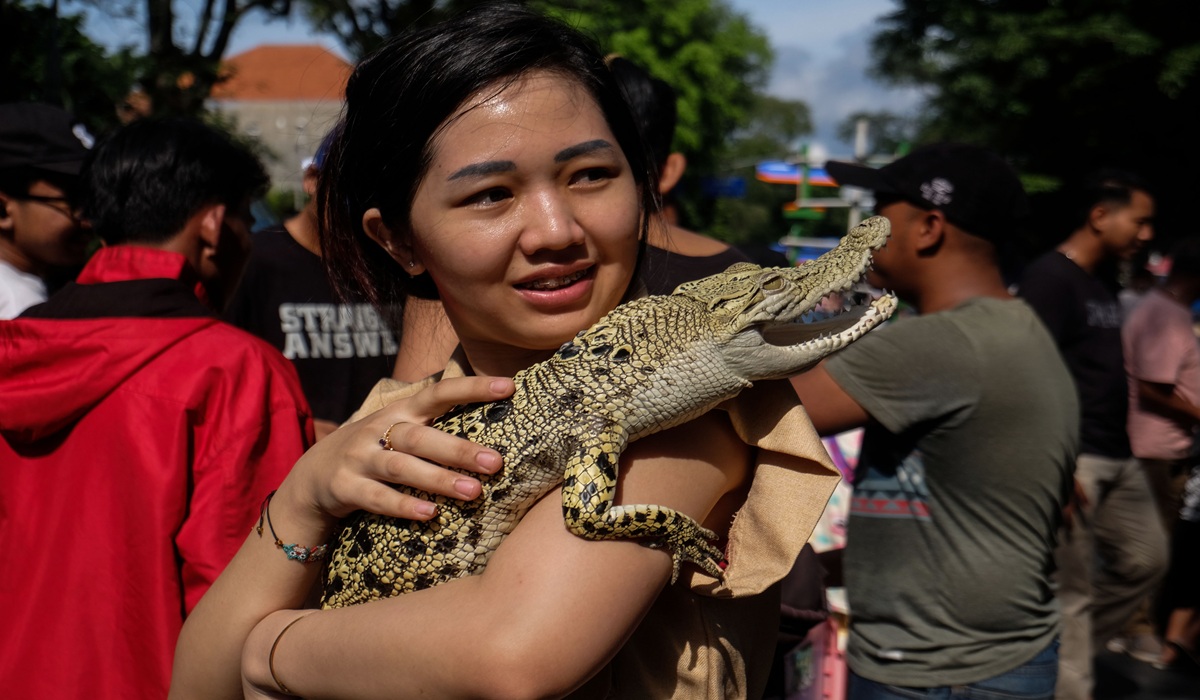
For most people, crocodiles are often seen as terrifying, ferocious predators. However, behind this reputation, each species has unique characteristics that set it apart. In Indonesia, the two most well-known types are the saltwater crocodile (Crocodylus porosus) and the freshwater or Siamese crocodile (Crocodylus siamensis).
Coinciding with World Crocodile Day, commemorated every 17 June, IPB University expert Prof Burhanuddin Masyud outlined the fundamental differences between these two large reptiles. He stated that public understanding of these differences is crucial to supporting conservation efforts.
“Indonesia is one of the countries with a high diversity of crocodile species. At least five types have been identified, although some experts suggest the number could be higher,” said Prof Burhanuddin.
The most striking difference between saltwater and freshwater crocodiles lies in their habitat and natural behaviour. The saltwater crocodile is known as the ruler of coastal regions and brackish waters. This species possesses a very strong territorial instinct and is aggressive, particularly among adult males.
In contrast, the freshwater or Siamese crocodile tends to be more “shy”. They primarily inhabit swamp and lake ecosystems far from the influence of seawater. These animals usually avoid human contact and will only attack if they feel cornered or threatened.
Although both are protected species in Indonesia, their level of threat in the wild differs significantly. The freshwater crocodile is currently in a critically endangered status according to the IUCN Red List, meaning its risk of extinction is very high without serious intervention.
Prof Burhanuddin stressed that conservation institutions, zoos, and breeding centres play a vital role in ensuring the survival of these ancient predators. Captive breeding is not merely a place for keeping animals, but a fortress for protecting genetic resources.
“Successful captive breeding can serve as an important support system for crocodile conservation in their natural habitats. Besides reducing the pressure of poaching, breeding also supports reintroduction programmes and sustainable utilisation,” he concluded.