
Differences between Hantavirus and Dengue Fever: Symptoms, Causes, and Prevention
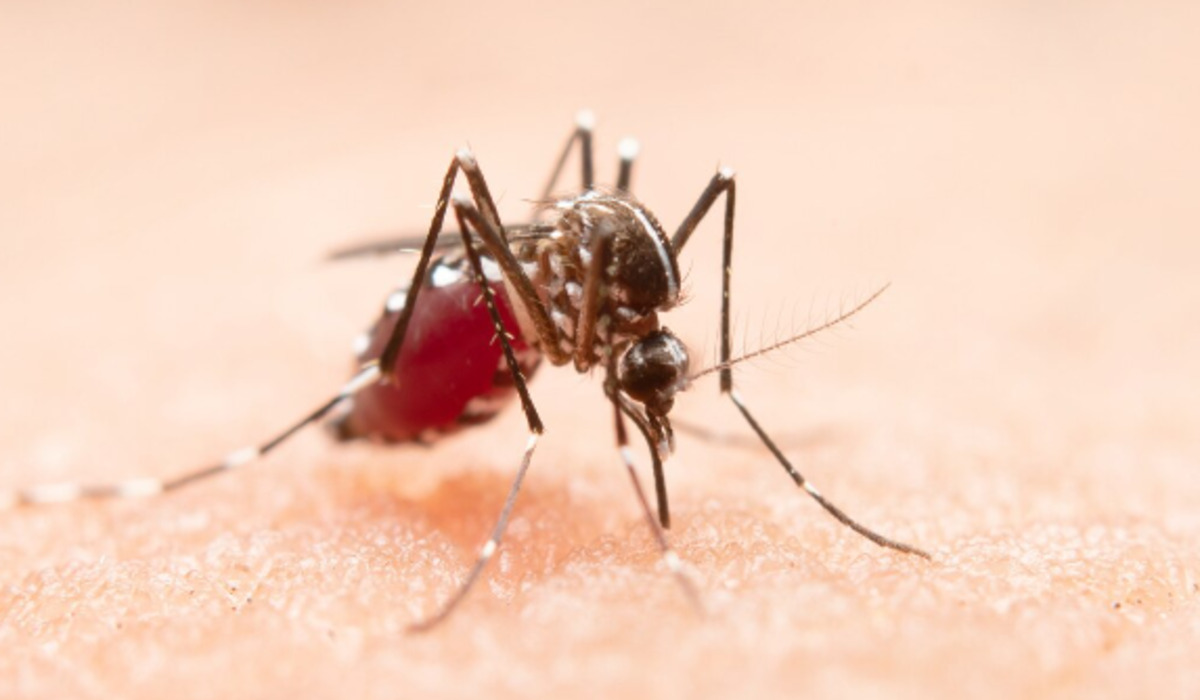
The rainy season often poses a critical period for public health due to increased risk of infectious diseases driven by damp environments and poor sanitation. Alongside dengue fever, which is endemic in tropical regions, health experts are now warning of the potential spread of hantavirus, which shares initial symptoms with dengue.
Although both cause high fevers, hantavirus and dengue have vastly different causes and transmission mechanisms. Understanding these differences is key to timely and appropriate medical treatment.
The fundamental distinction between the two diseases lies in their vectors or virus carriers:
In the early stages, both diseases are difficult to distinguish without laboratory tests due to similar symptoms, including:
As the disease progresses, complications manifest significantly different characteristics:
According to the Centers for Disease Control and Prevention (CDC), the virus can develop into Hantavirus Pulmonary Syndrome (HPS), which attacks the respiratory system, causing fluid buildup in the lungs and severe breathlessness.
Meanwhile, the World Health Organisation (WHO) notes that dengue can lead to a drastic drop in platelet count. Untreated, patients risk internal bleeding and dengue shock syndrome, which can be life-threatening.
Given the similarity in symptoms, diagnosis relies heavily on laboratory testing:
Environmental changes and urbanisation increase human interaction with disease-carrying animals. Health experts recommend the following measures to minimise risk:
Early detection of symptoms during the rainy season can accelerate medical intervention and significantly reduce the risk of serious complications for patients. (WHO/CDC/H-3)
The government has stated that dengue cases in Indonesia follow a seasonal pattern closely linked to climate phenomena such as El Niño.
Health department reports indicate a decline in dengue cases compared to last year.
Two people died from dengue in Cirebon Regency throughout 2025, with a total of 1,169 cases recorded.
Mosquito outbreaks in post-disaster displacement sites in Aceh Tamiang Regency have raised serious concerns, with the Ministry of Health confirming an outbreak.
West Kalimantan’s dengue update for May 2026 shows 970 cases recorded, with Kapuas Hulu reporting the highest at 181. Authorities urge vigilance on symptoms and immediate implementation of 3M Plus.
The Garut Regency Health Department in West Java is intensifying mosquito nest eradication efforts across communities.
To prevent high rates of stunting and dengue in Kariangau Village, Balikpapan City, East Kalimantan, local authorities have prioritised direct community interventions.